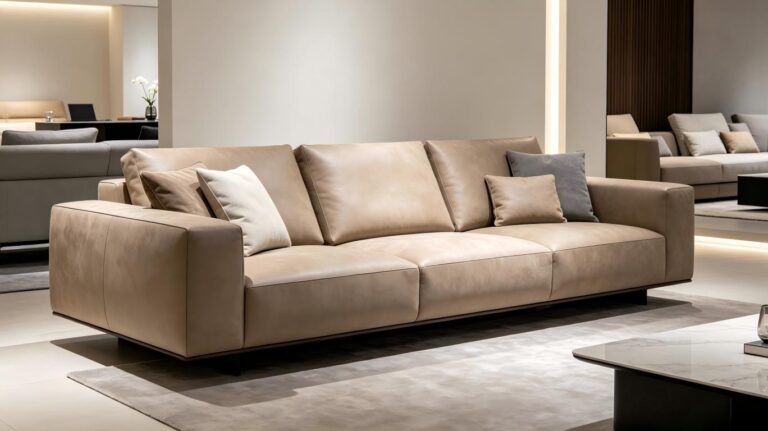
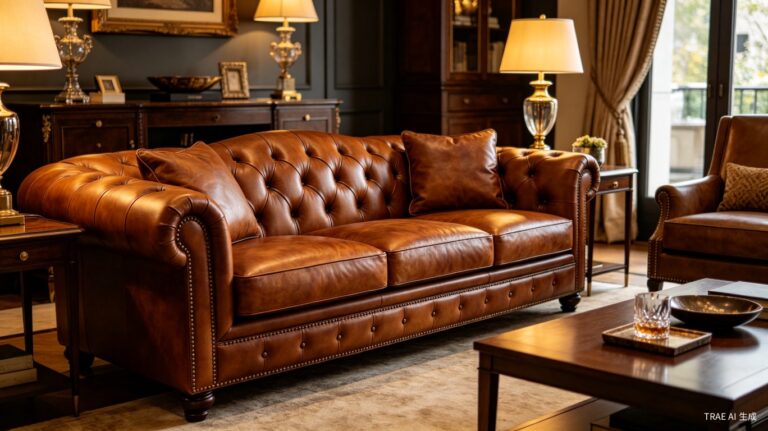
Last spring, a furniture brand sent us two sofa armrest samples from a warranty claim. Both were premium-grade PU, specified from a top-tier supplier, and both had split along the crease after three years of normal use. The purchase team was baffled: they had bought the best PU leather the market offered. Our lab report told a different story. The coating was excellent. The polymer was still polyurethane, and moisture had quietly eaten it from inside.
The Day a Premium Sofa Line Failed
That case taught us something worth repeating. Quality grades measure how well a material is made. They say nothing about how the chemistry ages. The brand had done everything right on paper: verified supplier, certified factory, test reports on file. The failure mode simply lives outside the grading system. Understanding that gap is the whole game in PU sourcing.

Tensile testing shows how a material is built, not how it ages.
What Separates the Best PU Leather From Average
Genuine quality differences exist, and they are measurable. Industry guides converge on the same indicators. For furniture and automotive use, specify a wear layer of at least 0.6 mm. Standard grades reach 15,000 Martindale cycles; premium runs well beyond 50,000. Coating adhesion should sit at or above 30 N/cm on the ISO 11644 test. Odor, grain definition, and backing quality fill out the inspection checklist. The table below summarizes how the tiers compare.
| Tier | Abrasion | Wear Layer | Typical Use |
|---|---|---|---|
| Economy | Under 15K cycles | Under 0.4 mm | Promo items, decor |
| Standard | 15K-30K | 0.4-0.6 mm | Fashion bags |
| Premium | 50K+ | 0.6-1.0 mm | Furniture, auto |
| Marine/contract | 100K+ | 1.0 mm+ | Yachts, public seating |

Grain consistency at this level signals a well-made coating and clean tooling.
The Hydrolysis Clock No Grade Can Stop
Here is the catch that grading tables never mention. Polyurethane hydrolyzes. Water molecules in humid air cleave the polymer’s ester bonds, and the coating loses strength from the inside out. No wear layer, however thick, slows the reaction much. In accelerated aging at 85°C and 85% relative humidity, conventional PU shows measurable degradation within weeks. Field experience across the industry puts real-world service life at 3 to 5 years in humid climates, whether the roll cost $8 or $25 per meter.
This is why our lab treats hydrolysis-resistant silicone leather as a different category rather than a competing grade. Silicone’s Si-O backbone does not hydrolyze the way PU’s ester bonds do. In the same 14-week chamber run where PU specimens crack, silicone samples emerge with strength intact. The comparison is uncomfortable for PU suppliers, which is exactly why buyers should run it themselves.

Accelerated aging chambers compress five years of humidity into 14 weeks.
Side-by-side durability testing: where premium PU and silicone diverge.
Where the Best PU Leather Still Makes Sense
None of this makes premium PU a bad purchase. Products with short design cycles, low humidity exposure, or fashion-driven replacement behavior get excellent value from top-grade PU. A handbag refreshed every two seasons never meets its hydrolysis clock. Budget hotel room furniture and sofa programs with 4-year refurbishment cycles can specify premium PU deliberately and simply plan for replacement. Fashion accessories, book covers, and trade-show furniture follow the same logic. Buy the grade that fits the calendar, and premium PU rewards you.
The trouble starts when buyers pay premium prices for long-life expectations. A 10-year warranty on a 5-year polymer is a paper promise. Match the material to the duty cycle, not to the brochure.
The Verdict on Premium PU
The best PU leather earns its title on every measurable spec: abrasion, adhesion, thickness, and finish. Our own view, after years of testing both materials side by side, is that “best” needs a second axis: time. Best PU leather is the right choice for products that finish their useful life before hydrolysis does. For everything meant to last a decade in humid air, silicone leather changes the equation entirely. Grade the material, then grade the clock.
How can I tell premium PU from standard grade on arrival?
Check four things: measure wear-layer thickness with a micrometer, flex the sample 180 degrees and look for whitening, smell for solvent odor, and request the Martindale report for the exact batch. Premium grades pass all four without excuses.
Is water-based PU the fix for hydrolysis?
Water-based PU cuts solvent emissions significantly, which helps VOC compliance. The ester bonds remain, so hydrolysis life improves only modestly. Treat it as an environmental upgrade, not a durability fix.
About TOPSUN
TOPSUN engineers silicone leather for automotive and furniture programs where the hydrolysis clock, not the grade sheet, decides the total cost.
Rigid-substrate and high-performance lines reach 200,000+ Martindale cycles and pass 14-week hydrolysis chamber runs, with SGS reports on every shipment.