The synthetic leather market is projected to grow from $50.6 billion in 2026 to $115.4 billion by 2033. Every dollar of it competes for the phrase best quality leather furniture. Meanwhile, regulators allow a product with as little as 17% leather content to be sold as genuine leather. I audit material certificates for a living, and the gap between those two facts is where most buyers lose money. The label tells you almost nothing. The certificate file tells you everything. Here are the five checks that separate furniture built for decades from furniture that peels in one.
What the Label Tells You vs What the Lab Does
Retail language ranks hides: full-grain on top, top-grain next, bonded at the bottom. The ranking is real, but it hides the failure data. Consumer review analysis across major retailers shows complaints clustering on early-cracking armrests. That pattern points to hides under 1.0 mm thick. Bonded leather is the worst case. Shredded fibers in a polyurethane binder peel within 2 to 3 years and cannot be repaired. One furniture chain’s buyers reported peeling within weeks, while a “lifetime warranty” quietly excluded the coating.
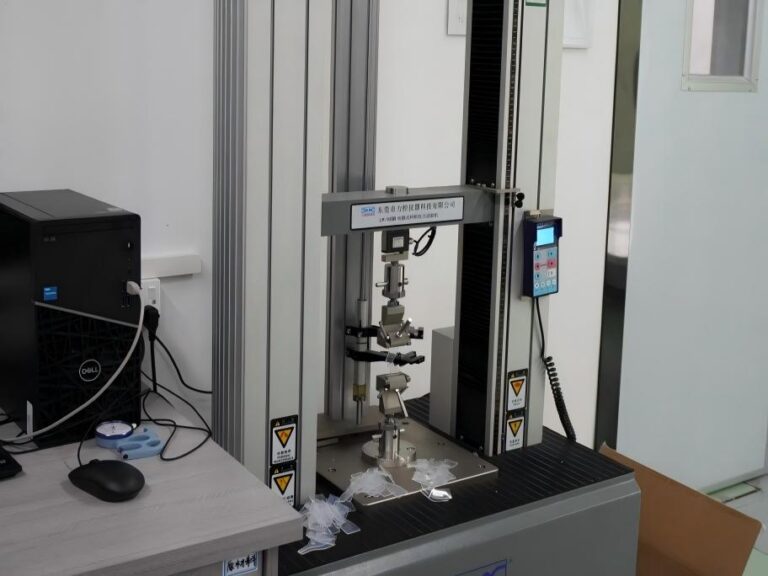
A laboratory answers a different question. It does not care what the hide is called. It measures whether the material survives abrasion, flexing, sweat, light and fire, and whether it releases harmful substances. Those numbers transfer across every price tier, which is why a certificate audit beats a tier name every time.

A tensile tester has never once asked what the label said.
The Five Checks That Actually Rank Quality
Run these five checks in order. Each one is a document request, not an opinion. A seller who resists the list is giving you your answer early.
- Check 1: Chemical certification. OEKO-TEX testing screens over 1,000 harmful substances and ties limit values to skin contact intensity, with annual reviews.
- Check 2: Thickness and abrasion. Quality seating hide measures at least 1.2 mm, and coated fabrics should show Martindale results above 100,000 cycles.
- Check 3: Fire safety. Ask for CAL 117 (US) or EN 1021 (EU) test reports; reputable sellers produce them on request.
- Check 4: VOC and odor. Low-emission documentation matters most for enclosed rooms, cars and anything a baby touches.
- Check 5: Construction. Double-doweled hardwood frames, corner blocks and foam at 1.8 density or higher decide longevity as much as the surface does.

Surface behavior under test: five minutes in a lab outrank five minutes in a showroom.
| Quality Marker | Real Hide Path | Coated / Vegan Path |
|---|---|---|
| Proof document | Tannery certificate, hide origin | REACH / OEKO-TEX test report |
| Durability evidence | Thickness ≥ 1.2 mm | Martindale ≥ 100,000 cycles |
| Failure mode | Drying, then cracking | Hydrolysis, then peeling |
| Repair outlook | Refinishable | Silicone grades: no peeling |
Send Us Your Quality Checklist
One correction to the old hierarchy deserves its own note. Coated leather is not automatically the cheap branch. The chemistry matters more than the family name. Standard PU dies by hydrolysis, while a hydrolysis-resistant silicone leather removes the failure reaction itself. Quality, again, is a test result, not a family tree.

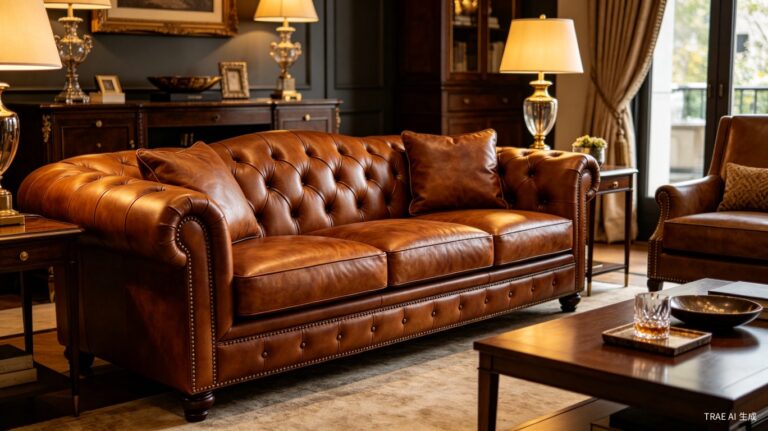
The best seat in either path looks identical; only the paperwork tells you which one ages well.
Thickness options on coated sofa leather: the spec behind Check 2, in 60 seconds.
So here is the claim restated. The best quality leather furniture is the one whose seller hands you certificates without being asked twice. Furnishing a family room, an office or a hotel? Our furniture and sofa applications page shows the same five checks applied to each setting.
Request Certified Leather Samples
Is bonded leather real leather?
Legally, often yes; practically, barely. It blends shredded leather fibers with a polyurethane binder, and labeling rules can tolerate surprisingly low leather content. It peels within two to three years, cannot be repaired, and anchors the cheap end of every ranking. Treat it as fabric with leather crumbs, not as leather.
Which certificate matters most for furniture leather?
Start with chemical certification, because it is the hardest to fake and the slowest to earn. Then demand the physical numbers: thickness or Martindale cycles, plus a fire test report for your market. A seller with all three documents in a drawer did the homework before you arrived.
References
- 1. https://www.oeko-tex.com/en/our-standards/oeko-… — LEATHER STANDARD tests over 1,000 harmful substances with stricter limits for stronger skin contact; network of 35,000+ certified companies
- 2. https://smartbuy.alibaba.com/buyingguides/leath… — Bonded leather peels within 2-3 years and cannot be repaired; “genuine leather” labeling can be legal at 17% leather content under FTC guidelines
- 3. https://www.leathercreationsfurniture.com/the-u… — Quality full-grain and top-grain leather lasts 15-30+ years with care, often 4-6 times longer than fabric upholstery