Why does one PU bag die in eighteen months while another survives five years of daily commuting? Why do two bags that look identical on a shelf differ by a factor of ten in price? As a market analyst who tracks accessory categories for a living, I can tell you the answers are not random. They sit in three numbers: the tier, the spec behind it, and your real cost per year. This article runs the math on the PU bag category so the next purchase is a decision, not a gamble.
What the $120 Billion Handbag Market Says About PU
The category is enormous and still accelerating. Analysts value the global handbag market at $68.86 billion in 2026. By 2034 it should reach $120.43 billion, growing at a 7.24% CAGR. Europe holds a 32.82% share. Inside that growth, coated materials carry a specific role. PU fabric costs roughly $3-8 per square meter. That runs 5-10 times cheaper than genuine hide. For a brand producing ten thousand units per style, that gap converts into six-figure savings before a single bag ships.
Low cost is not the same as low value. PU is a coated textile: a fabric base carries the strength while the polyurethane layer carries the look. Judge it as engineering, not as fake leather, and the category starts making sense. The engineering quality, not the marketing, sets the lifespan.

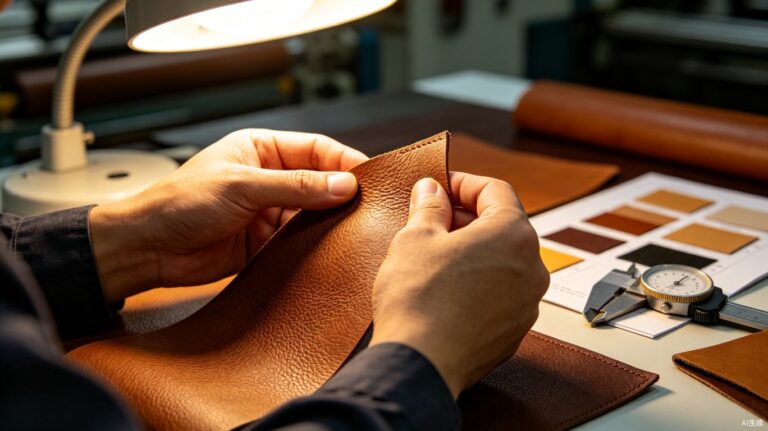
Same grain, different engineering: swatches from three tiers feel nothing alike in the hand.
Three Price Tiers, Three Different PU Bags
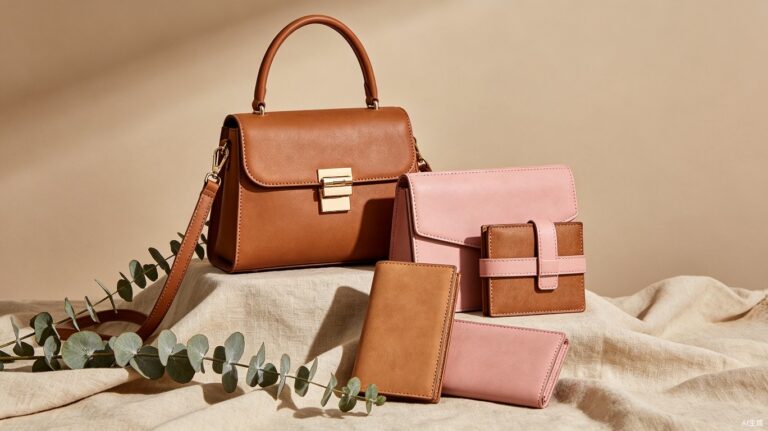
Retail merges these tiers into one shelf photo. The spec sheets split them cleanly, and the split predicts everything about how long the bag lives.
| Tier | Typical Retail | Construction Spec | Realistic Lifespan |
|---|---|---|---|
| Entry | $5-30 | Single PU coat, raw-cut edges | 1-2 years |
| Mid | $30-120 | Double coat, through-color, lined | 3-5 years |
| Premium | $120+ | Microfiber base, finished edges | 5+ years |
Field reports match the ladder. A mid-range bag under daily use shows the first wear at flex points after two to three years. Once the top layer separates from the backing, the damage is irreversible. Double-coated, through-color material with finished edges is what pushes a coated bag past the five-year mark.

Coating count and edge finish, not the grain pattern, decide which stack your bag comes from.
The Cost-per-Year Math Buyers Skip
Sticker price hides the real number. Divide price by expected lifespan and the tiers re-rank. A $20 entry bag living two years costs $10 per year. An $80 mid-tier bag living four years costs $20 per year. Wait, that flips the intuition. The entry tier only wins when the bag is a short-lived fashion piece by design. For a daily commuter, the mid tier buys three extra years for $60 more. The premium tier’s microfiber base stretches the curve further. Leather still wins on decade-scale cost. A well-specced coated bag closes most of the gap at a fraction of the price.
This is also where material innovation enters the analysis. Newer coated families remove the hydrolysis chemistry that caps PU lifespans. Our own silicone-based leather is one example, and it moves the cost math for long product lines.
Get Tier Pricing for Your Program
A Four-Step Way to Pick Your PU Bag Tier
Run this list before the next order, whether you are buying one bag or quoting ten thousand:
- Define the duty cycle. Daily commute, weekly errands, or seasonal rotation each point to a different tier.
- Match the spec, not the swatch photo. Ask for coating count, base fabric, through-color and edge finish in writing.
- Compute cost per year. Price divided by realistic lifespan, not by hope.
- Check the flex points. Handles, corners and fold lines fail first; reinforce them or accept the tier’s ceiling.

Fashion cycles rotate fast; the spec sheet is the only thing that carries over between seasons.
Where the cost savings in coated bag programs actually come from, in 60 seconds.
Brands running fashion and accessory lines can see these tiers applied on our fashion and sports applications page.
How long should a good PU bag last?
Two to five years covers most of the category. Entry tiers sit at the bottom, microfiber-based construction at the top. Daily commute duty sits at the harsh end of that range. If a seller quotes a decade for standard PU, ask what the coating is. The claim does not match the chemistry.
Is a PU bag better than genuine leather?
It depends on the job. PU wins on price, color range, weight and consistent surface quality, which suits fast-moving fashion lines and budget programs. Leather wins on decade-scale lifespan and patina, which suits investment pieces. Match the material to the duty cycle and the price band, and both can be the right answer.
References
- 1. https://www.fortunebusinessinsights.com/handbag… — Global handbag market valued at $68.86 billion in 2026, projected to reach $120.43 billion by 2034 at a 7.24% CAGR; Europe holds 32.82% share
- 2. https://findings.oreate.ai/hub/what-to-expect-w… — Mid-range PU bags show first wear at flex points after 2-3 years of regular use; top-layer separation is irreversible
- 3. https://www.wzbags.com/what-is-pu-leather/ — PU leather is a coated textile with 2-5 years of typical daily-use life; double-coated through-color material with finished edges lasts longer