Where should a product team place its bets in the fabric textile industry right now? The headline numbers look calm. The regional shifts underneath them are not. Total market value keeps climbing, yet margin is migrating fast from commodity apparel fabric toward technical and coated segments. This article breaks the industry into the numbers that matter, then shows where coated-fabric buyers should focus before capacity tightens.
The Fabric Textile Industry by the Numbers
Market researchers slice the industry differently, so start by lining up the major lenses side by side. The table below consolidates 2025-2026 estimates from three independent research firms. Note how the growth rates and definitions differ; that difference is itself a sourcing lesson.
| Market Lens | 2025-2026 Value | Forecast | CAGR |
|---|---|---|---|
| Textile fabrics (fabric-only view) | $732.4B (2026) | $1,263.1B by 2034 | 7.05% |
| Textile market, all segments | $1,785B (2025) | $2,974.1B by 2034 | 5.8% |
| Textile manufacturing | $1,205.4B (2026) | $1,596.9B by 2033 | 4.1% |
| Industrial textiles (share of total) | 18.7% = $333.8B (2025) | Fastest-growing application | 5.2% |
Two readings stand out. First, the fabric-only segment grows faster than the industry overall, which tells you value is concentrating at the material level. Second, industrial textiles now represent nearly a fifth of global demand, spanning automotive interiors, medical, filtration, and aerospace. That share was far smaller a decade ago.

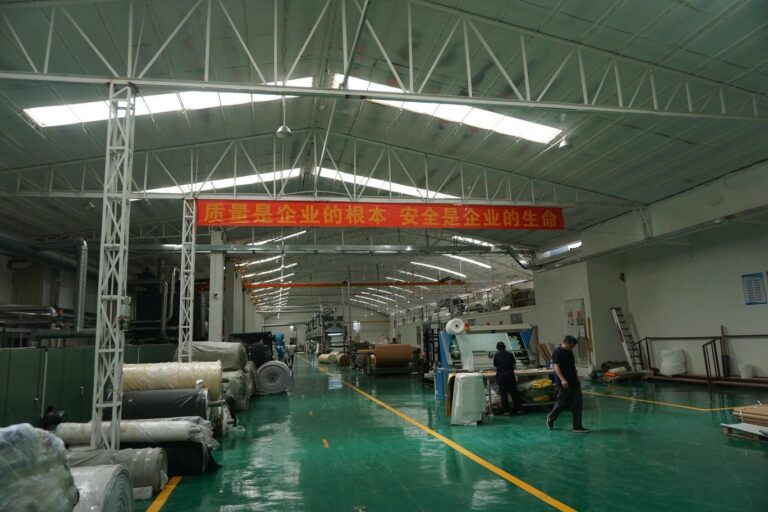
Coating lines like this one convert commodity base fabric into engineered, higher-margin material.
Technical Textiles: The Segment Pulling the Industry Upmarket
Ask which segment adds the most value per meter and the answer is technical textiles. Their applications now run from automotive interiors and medical surfaces to filtration, aerospace, and protective wear. Growth here sits well above the apparel baseline, driven by safety regulations, durability requirements, and performance specifications that commodity fabric simply cannot meet.
The technical textiles applications buyers care about share one trait. Each one turns fabric into a functional component, not a covering. A car seat skin must pass flame retardance and abrasion standards. A hospital surface must survive alcohol-based disinfection. Those requirements create entry barriers, which is exactly why margins are healthier on this side of the industry. Fiber choice matters too. Polyester still anchors global volume, holding between 46% and 54% of production depending on the research lens, yet the specification-driven end of the market rewards coatings and construction over raw fiber price.
Sustainability Is Rewriting Sourcing Rules
Sustainable textiles have moved from marketing language to procurement requirement. Recycled fibers, circular production models, and waste management programs now shape supplier selection across Europe and North America. In parallel, solvent-free chemistry is becoming a compliance topic rather than a preference, as VOC rules tighten for enclosed interiors.
For coated fabrics the bar is higher still. Buyers increasingly ask for material that is durable by design, because the greenest meter of fabric is the one you do not replace. Our eco-friendly silicone leather answers that brief with 100% solvent-free production and a 10-to-15-year service life, roughly triple the lifespan of conventional PU. Longevity is the quiet sustainability metric most catalogs skip.

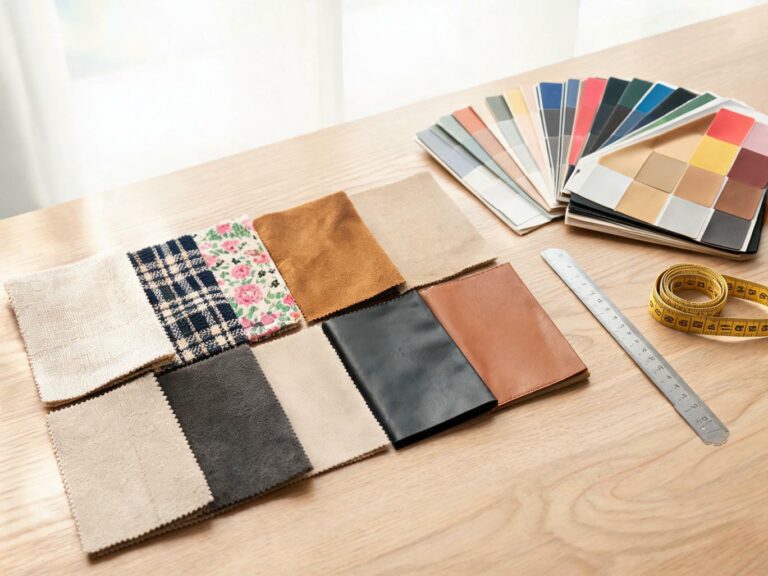
Material lifecycle on display: sourcing decisions now start at the polymer, not the finished roll.
Coated Fabrics: Where Material Innovation Meets Product Design
Coated fabrics for industrial use sit at the intersection of every trend above. They carry technical performance, they answer sustainability mandates, and they price above commodity weaves. In our order book, the fastest-growing requests over the past 8 years have come from automotive, medical, and marine buyers who need engineered surfaces rather than plain textile.
Serving 30+ countries has taught us one consistent lesson. Buyers who lock in coated-fabric capacity early get better pricing and better spec support, because engineering attention follows committed volume. Substrate innovation is part of the pull. Recycled-basis materials such as PET silicone leather let a product team hit recycled-content targets without sacrificing coating performance. You can browse the full range of end-use sectors on our applications overview.
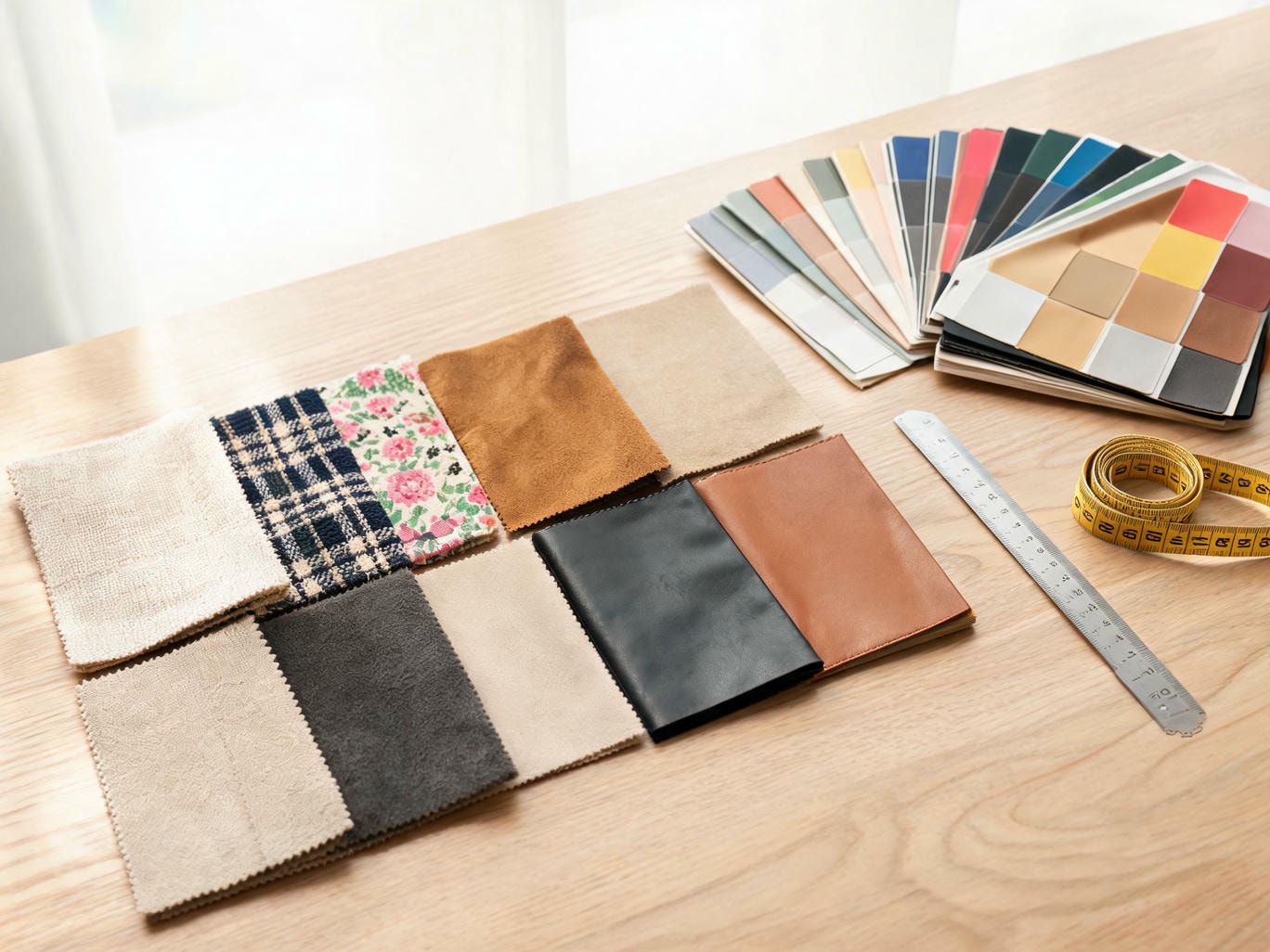
From base textile to finished surface: the coated-fabric value chain in a single frame.
Market outlook briefing: where coated silicone fabric demand is heading next.
Discuss Your 2026 Sourcing Plan
Is polyester still the dominant fiber in the fabric textile industry?
Yes by volume, and the gap is wide. Research firms place polyester between 46% and 54% of global fiber production in 2026. Nylon is projected to grow fastest from a smaller base. Volume dominance, however, does not equal margin leadership, and that distinction is where sourcing strategy lives.
What share of textiles goes to industrial uses?
About 18.7% of the global market, worth an estimated $333.8 billion in 2025. The segment covers automotive, aerospace, medical, filtration, and infrastructure applications. Its above-average growth rate is the clearest signal in the industry data.
Where the Fabric Textile Industry Goes Next
The fabric textile industry will keep growing, but the growth is uneven. Before your next sourcing cycle, run this checklist against your current material roadmap:
- Check your segment exposure: are you buying from the 4% CAGR tier or the 7% tier?
- Ask each supplier for solvent-free chemistry documentation, not just a sustainability brochure.
- Price replacement cycles, not just first cost: a 10-15 year surface beats a 3-5 year one on total cost.
- Secure coated-fabric capacity early, before regional demand growth tightens engineering support.
Request Coated Fabric Samples for Your Product Line
About TOPSUN
TOPSUN supplies silicone-coated fabrics to automotive, furniture, marine, and medical brands across more than 30 export markets, with 8+ years of specialized coating experience.
500,000 m monthly capacity, 100+ stocked textures, Pantone and RAL custom color matching, and third-party inspection through SGS, BV, or TÜV on request.
References
- https://www.marketdataforecast.com/market-repor… — textile fabrics market $732.38B in 2026, $1,263.07B by 2034, 7.05% CAGR
- https://dataintelo.com/report/textil-market — global textile market $1,785B in 2025; industrial textiles 18.7% share = $333.8B
- https://www.persistencemarketresearch.com/marke… — textile manufacturing $1,205.4B in 2026, 4.1% CAGR; polyester 46% product share