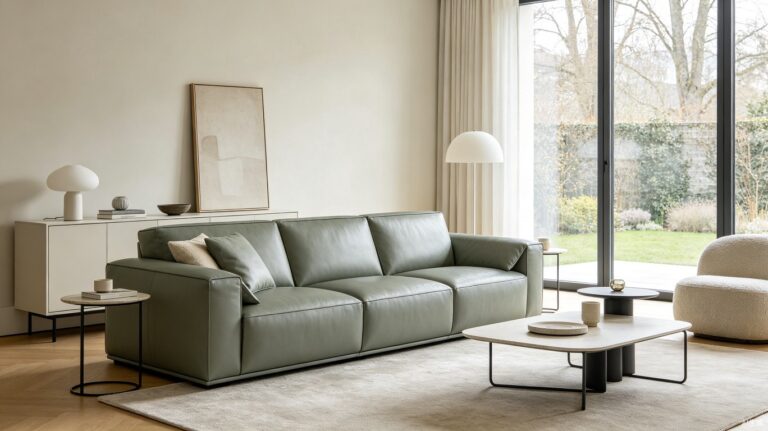
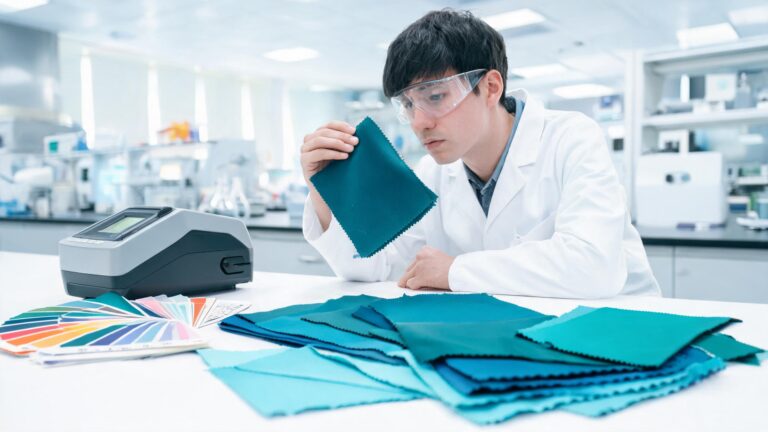
24 to 48 hours. That is how fast mold spores germinate once indoor humidity passes 60 percent and a surface stays damp. Fabric mold is rarely a hygiene failure in the factory. It is a materials chemistry decision that was made in your spec sheet, months before the first stain appeared. As the person who signs off resistance claims at our factory, I read a lot of anti-mold labels that would not survive one week in a climate chamber. Here is what actually feeds mold, and how to spec against it.
Where Fabric Mold Actually Starts: The 24-48 Hour Window
Spores are already in your showroom. They float indoors and outdoors, and they stay harmless until four conditions line up: moisture, a food source, moderate temperature, and still air. Humidity control breaks the cycle. The EPA advises keeping indoor relative humidity between 30 and 50 percent. Once relative humidity holds above 60 percent, spores on a damp surface can germinate within 24 to 48 hours, and colonize porous material from there.
The risk map follows the still air. Berth cushions on boats, base-band seating in basements, containers crossing the ocean, and roll stock pressed against a wall all create that microclimate. It is also where the mildew versus mold confusion starts. Mildew is the flat, powdery, white or gray growth that sits on a surface. Mold is the darker, deeper growth that roots into porous fibers. A non-porous surface can be wiped clean. A porous weave that has been rooted cannot be fully remediated.

Moisture is the one variable a manufacturer can engineer out before shipment.
Three Myths Behind Every Anti-Mold Fabric Claim
Myth 1: Anti-mold means the fabric kills fungus. The standard buyers cite most often, ASTM G21, measures resistance, not killing. A lab inoculates the sample with a high concentration of spores from five fungal species, incubates it, and rates visible growth on a scale from 0, which means none, to 4. Nothing in that rating measures biocidal strength.
Myth 2: The treatment lasts the life of the fabric. For treated textiles, the newer ASTM E3227 practice compares growth on a treated textile against an identical untreated one. The active ingredient is a biocide finish sitting on the surface. Finishes deplete. Abrasion, cleaning cycles, and alcohol wipe-downs all consume them. Once the finish is gone, the base chemistry decides what happens next.
Myth 3: A stain means the material failed. Not always. Surface discoloration on a coated fabric wipes off. The real failure question is whether hyphae rooted into porous fibers. That is why remediation guides tell homeowners to discard soaked mattresses and carpets. The food and the water were inside the weave.

A non-porous coated surface gives spores nothing to root into.
Why Fabric Mold Feeds on Plasticizers, Not the Polymer Itself
Fungi need carbon. The polymer chains in PVC and polyurethane are poor meals, but the plasticizers inside them are not. Phthalate plasticizers such as DEHP are carbon-rich ester molecules, and fungi digest them readily. A peer-reviewed study in the Journal of Hazardous Materials isolated three fungal species from plastic-contaminated soil and found they consumed 70 percent of the DEHP in PVC blood bags within two weeks, and over 99 percent in a two-stage process. The additive that keeps vinyl soft is literally on the menu.
This is the mechanism behind most warranty claims on soft vinyl upholstery in humid rooms. The plasticizer migrates, the coating stiffens and cracks, and the migrating ester feeds colonies along the way. Silicone coating takes a different route: a silicon-oxygen backbone with no plasticizers and no ester bonds, verified by FTIR spectroscopy showing PDMS peaks only. Nothing migrates, so nothing feeds, so nothing depletes. The comparison is documented on our silicone versus PU comparison page, and the solvent-free build behind it on our eco-friendly silicone leather page.
| Spec Sheet Claim | What the Test Measures | What the Label Hides |
|---|---|---|
| “Mold resistant” treated fabric | Growth on treated vs untreated textile | Biocide finish depletes with wear and cleaning |
| “Fungus resistant” polymer | Five-species spore challenge, 0-4 rating | A vinyl can pass today while its plasticizer feeds growth later |
| “Antibacterial surface” | Bacterial kill rate | Says nothing about fungal nutrition |
| Zero-plasticizer silicone | FTIR: PDMS peaks only | No food source to migrate, feed, or deplete |
Alcohol-safe disinfection without degrading the coated surface.
Spec Checklist: How Buyers Prevent Mold on Upholstery Fabric
Write these five lines into your next RFQ and most mold disputes end before they start.
1. Demand the build, not the badge: a zero-plasticizer declaration backed by VOC testing to ISO 16000-6.
2. Name the test: fungal resistance on the finished build, not a biocide flyer for a finish that washes out.
3. Ask for humid-age data: our hydrolysis protocol runs 85°C and 85 percent relative humidity for 14 weeks with no delamination, a fair proxy for years of still, damp air.
4. Control storage and transit: ventilated warehousing, rolls off the wall, and humidity held near the EPA range. Our QC line includes final roll inspection and documented drying before packing.
5. Keep surfaces disinfectable: grade 5 stain resistance with alcohol-safe cleanability lets facility teams sanitize after exposure events. The routine is described on our cleaning and maintenance page.

Ventilated storage with wall clearance keeps the microclimate away from the roll.
Fabric mold is a chemistry problem before it is a housekeeping problem. Add a carbon source and a surface treatment, and humidity eventually finds both. Remove the food with a zero-plasticizer build, control the moisture, and the 24-48 hour window closes with nothing to grow inside it. That is the position I defend with test reports, not adjectives.
Get a Mold-Resistance Spec Review From Our Compliance Team
Request Zero-Plasticizer Silicone Leather Samples with Test Reports
Frequently Asked Questions
What is the difference between mold and mildew on upholstery? Mildew is a surface-level, powdery growth, usually white or gray, and it wipes off non-porous materials easily. Mold is darker, roots into porous fibers, and usually means the affected item cannot be fully remediated. The distinction matters most right after you find it: wipeable surface growth on coated fabric is a cleaning task, while rooted growth in woven backing is a replacement.
Can you remove mold from fabric upholstery once it appears? On a non-porous coated surface, yes: wipe with an approved cleaner or alcohol-safe disinfectant and fix the humidity source. On porous woven fabric, remediation is rarely complete, because hyphae penetrate beyond the reach of surface cleaning. This is why our recommendation shifts from cleaning to replacement once growth has rooted into a weave.
Does silicone leather need an anti-mold treatment? No. The coating carries no plasticizers, so there is no carbon source for fungi to feed on and no finish to deplete. Resistance comes from the material chemistry itself, which is also why the property does not fade with cleaning cycles the way a biocide finish does.
References
- https://www.airtechnc.com/blog/how-humidity-con… — Humidity above 60 percent triggers germination on damp surfaces within 24 to 48 hours; EPA advises 30-50 percent indoor RH.
- https://www.epa.gov/mold — EPA mold resources: moisture control is the key to mold control, and exposure can trigger allergic reactions and asthma.
- https://pubmed.ncbi.nlm.nih.gov/22858127/ — Mycelial fungi consumed 70 percent of DEHP plasticizer in PVC within two weeks, evidencing plasticizers as a fungal carbon source.