Picture five moments. A buyer approves a swatch under warm showroom lighting. A container opens in Rotterdam and the rolls inside look duller than the sample. A hotel lobby with south-facing windows bleaches its sofas by year two. A trade-show sample returns from one summer looking tired. Five years on, the product photo no longer matches the product. Every one of these moments traces back to one decision: how color fabric was specified, tested, and approved.
Color reads like a styling choice. In sourcing practice it is one of the highest-risk cost lines in soft goods. This article puts numbers on that risk and shows which spec lines control it.
What a Wrong Color Fabric Lot Actually Costs
Start with the price of approval itself. Industry sourcing guides put lab dip development at $50-150 per color and strike-off production at $50-200 per style. Those are the cheap parts. The expensive part is approving color against the wrong reference. AATCC research attributes roughly 25% of all textile quality rejections to color-related defects.
When a bulk lot fails, the loss scales fast. A single rejected dye lot of 5,000 yards represents $15,000-$40,000 in waste, before adding a four-to-six week production delay. For a furniture program shipping quarterly, that delay can push a launch past its selling season. The cure is not more luck. It is writing the color decision into the contract: a named reference standard, a measured tolerance, and a test method for the environment the fabric will actually face.
| Color Risk | Where It Hits Your Cost | The Spec Line That Prevents It |
|---|---|---|
| Fading in service | Warranty claims and re-upholstery | ISO 105-B02 grade 6+ for sun-exposed rooms |
| Batch color drift | Rejected rolls at receiving | ΔE2000 acceptance band per roll |
| Screen-to-fabric mismatch | Approval loops, delayed tooling | Pantone or RAL reference plus physical lab dip |
| Wrong chemistry for cleaning | Discoloration after alcohol wipes | Fastness grade tested on the actual soil |
| UV degradation of coating | Early replacement, double lifecycle cost | UV hours from a test report, not catalog copy |
Color Fastness: The Grade Scale Behind Every Color Fabric Claim
Light fastness is measured under ISO 105-B02. The test bombards fabric with xenon arc light and grades the result from 1 to 8. The scale is not academic. Testing references note the difference. A grade 4 fabric can fade visibly within six months of sunlight. Grade 7 survives five or more years outdoors.
Requirements then follow the application. Contract furnishing specifies grades 5-6. Automotive fabric runs grades 5-6 at 1,000 kJ/m² irradiance. South-facing residential rooms call for a minimum of grade 6 on upholstery and curtains. Budget fashion sits at grade 4, which is exactly why cheap apparel fades first. Our silicone leather holds color fastness at grade 4-5, with pigment locked under a silicone surface rather than sitting in a dye bath. The video below shows a standardized fastness test in progress.

Color claims are only as good as the machine that verifies them.
Standardized color fastness testing on TOPSUN silicone leather.
Get a Color Cost Review From Our Team
How a Custom Color Gets Approved
Custom color follows a fixed chain. First, the buyer supplies a physical reference: a Pantone TCX chip, a master swatch, or a production part. Second, the lab formulates a recipe and submits a lab dip. Third, both sides measure the difference on a spectrophotometer and agree on tolerance. Outerwear sourcing practice uses a ΔE2000 value of 2.0 or better as the acceptance band. On this scale, lower means closer. A ΔE under 1.0 is nearly invisible to the eye, while values above 3.0 read as a different color in daylight.
Suppliers who specify Pantone TCX codes rather than loose descriptions cut color-related production rejections by an estimated 60-80%, according to color management research. The lesson for buyers is simple. A named color system plus a measured ΔE limit turns color from an opinion into a pass or fail number. Our silicone PET leather collection follows exactly that workflow, with Pantone and RAL matching available from the 500 m minimum order.

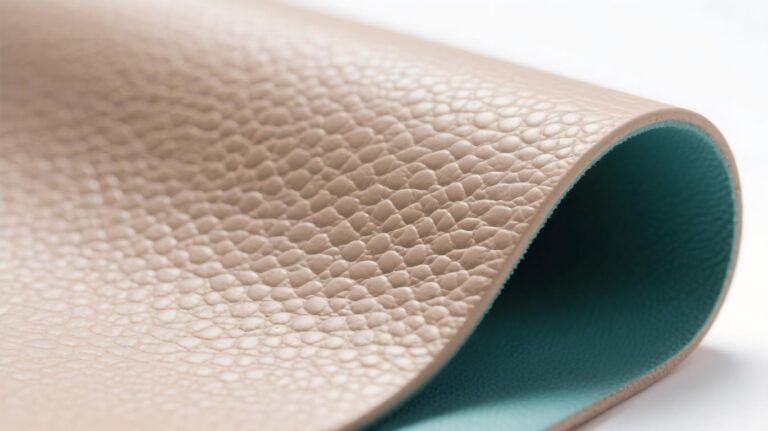
A named color system starts at the swatch wall, not on the screen.
UV Hours: The Number That Predicts Fading
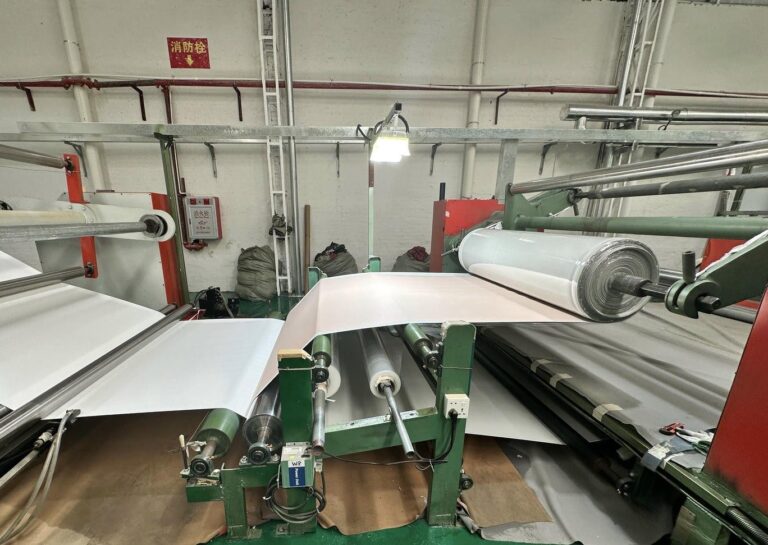
Fade resistance eventually becomes a UV-hours conversation. Comparative fabric science tables show coated commercial fabrics holding 150-200 UV test hours, while standard outdoor polyester reaches 500-1,000 hours before degradation sets in. Solution-dyed acrylics extend that to 2,000-plus hours. Our silicone leather verifies at 1,500-plus UV hours with no fading, which clears coated commercial baselines by a wide margin and sits in outdoor-grade territory. Production-side, we back the claim with spectrophotometer Delta E checks across rolls, so batch color stays inside the agreed band instead of drifting. The factory production process page documents where those checks sit in the line.
Building a Color Fabric Cost Model
Bring the numbers together and the ROI question answers itself. A grade 4 fabric fades within six months, so sunlit interiors deserve grade 6 or better. A rejected 5,000-yard lot costs $15,000-$40,000, so a ΔE band in the contract is cheap insurance. And 1,500 verified UV hours outlasts coated commercial baselines by roughly seven times, so the lifecycle math favors material that holds its color.
At TOPSUN we run Pantone and RAL custom matching with spectrophotometer color control on every production run, and SGS reports ship with each order. The fashion and sports program shows the palette in service across color-critical products. Specify color like a cost line, and the color stops costing you.
Request Pantone-Matched Color Fabric Swatches
About TOPSUN
TOPSUN manufactures silicone-coated fabrics for buyers in 30+ countries. Every run carries Pantone and RAL custom color matching, spectrophotometer Delta E control, and grade 4-5 color fastness across five product lines.
MOQ 500 m, sampling and delivery in 7-15 days, and SGS test reports attached to every order for buyers in 30+ countries.
References
- https://www.adstronaut.net/blog/pantone-color-m… — rejected 5,000-yard dye lot costs $15,000-$40,000; Pantone TCX specs cut color rejections 60-80%
- https://mapofsciences.com/topic/light-fastness-… — ISO 105-B02 grades 1-8; grade 4 fades within six months, grade 7 survives 5+ years
- https://patiofurnituresco.com/commercial-outdoo… — coated fabrics 150-200 UV hours; solution-dyed acrylics 2,000+ hours