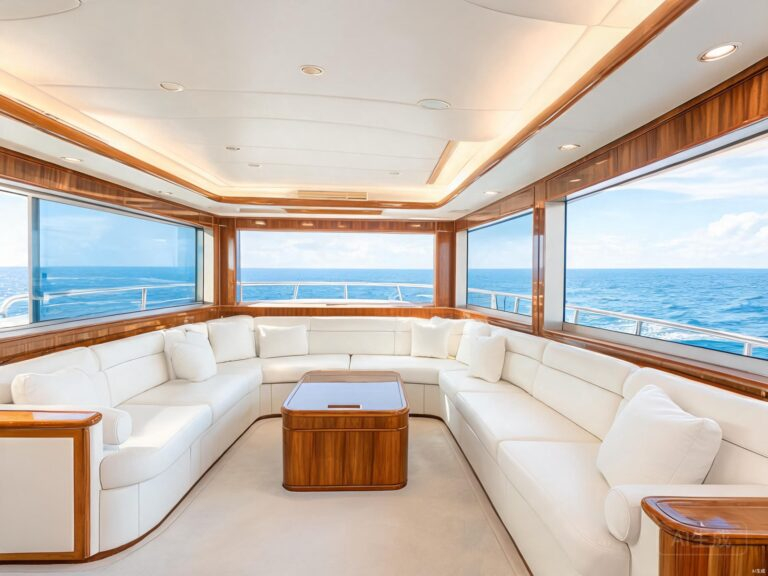
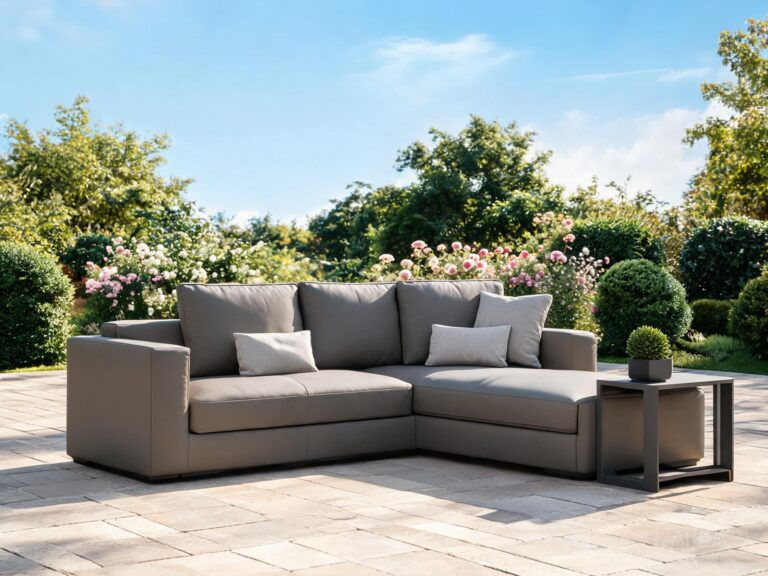
Why does one black sofa read as luxury while another reads as budget furniture? Why can two fabrics share a color and a price class, yet only one makes a showroom feel expensive? And why do some premium surfaces lose their aura within a year, while others keep it for a decade?
The answer is that luxury is measurable. Buyers for premium brands do not shop on adjectives. They specify numbers, and the numbers decide. This guide lists the five that matter for fabrics luxury programs actually order.
What Actually Makes Fabrics Feel Luxury
Industry guides agree on the signals. Texture and depth come first: a richer hand feel, whether plush pile, smooth sheen, or an embossed grain you can trace with a finger. Color saturation follows, because better fabric holds dye evenly and looks deeper than budget alternatives.
Weight and drape add substance, so the material falls over curves instead of stretching thin. The quiet signal is durability that does not show. As one trade guide puts it, a fabric is only truly luxurious if it still looks good a year in.
Showroom teams can audit three of the five in minutes. Raking a flashlight across the roll exposes flat grain. Bending a coupon back on itself finds a stiff hand. A white-cloth rub reveals dye that wants to migrate. The remaining two numbers come from the lab, which is why reports belong in the same folder as swatches.
The Five Numbers Behind Fabrics Luxury Programs
Feelings close sales, but numbers close orders. The table translates each luxury signal into a line item a supplier can certify.
| Luxury signal | What buyers measure | Spec floor to demand |
|---|---|---|
| Light play | Sheen consistency across the roll | Matte-to-satin range locked per batch |
| Hand | Flex stiffness and recovery | Supple recovery, no crack at the fold |
| Grain depth | Texture definition under raking light | Pattern crisp at 10x, no flattening |
| Color depth | Colorfastness and batch match | Grade 4-5, batch-to-batch consistency |
| Quiet durability | Abrasion and hydrolysis data | 50,000+ cycles, 14 weeks at 85°C / 85% RH |
Each floor exists because a failure there is visible. Flat grain reads cheap under showroom lighting. Dye that drifts between batches turns one installation into a patchwork. A surface that cracks at the fold betrays itself the first winter.
Why Luxury Brands Buy on Data
Upholstery is brand communication. Design guides treat the choice of cover as a statement that reflects design intent, brand identity, and standards of workmanship. The fabric speaks before the label does.
That is why procurement at premium houses writes numbers into contracts. Identity sets the direction, then certification protects it at scale. A brand that ships ten thousand seats cannot rely on a designer’s eye at the factory gate.
Talk to Our Luxury Materials Team
Where Silicone Coating Fits the Luxury Brief
Silicone coating answers all five numbers at once. Casting against release paper locks grain depth into the surface, so texture survives cleaning instead of sitting in an ink layer. The resin carries no plasticizers to migrate, so the hand stays supple after seasons of use.
The silicone leather introduction covers the process end to end. For a softer, textile-like hand, silicone microfiber leather pairs the coating with an ultra-fine base. Both hold colorfastness at grade 4-5 and pass 50,000+ Martindale cycles. Low VOC output keeps a suite or cabin odor-free, which is why furniture and sofa programs use these grades as their premium default.
Production controls keep those numbers honest. Casting viscosity and oven profile lock gloss and grain in one pass. Coating weight stays inside a fixed window, so hand feel does not drift between batches. Each roll ships with the test data that matches the sample you approved.

Grain depth is the number guests read with their fingers.

A supple fold that springs back is the hand number in action.

In VIP spaces, the surface carries the brand before any logo appears.
See how premium furniture grades balance hand, grain, and durability.
The Decision Tree for Your Next Luxury Order
Match the priority to the program, then certify it:
- Showroom or flagship: lead with grain depth and sheen consistency; judge swatches under store lighting.
- High-touch hospitality: lead with hand recovery and cleaning chemistry; wipe-test before signing.
- Residential premium: lead with color depth and quiet durability; check batch certificates per roll.
- If two numbers conflict: pick the one guests touch, and let design compensate elsewhere.
Luxury survives procurement when every adjective has a number behind it. Five numbers have carried every premium program we ship, and they are all on the test report you should be reading. Bring the list to your next supplier meeting, and let the numbers argue.
References
1. https://lizjordanhill.com/blogs/stain-resistant… – Luxury Upholstery Fabric: texture and depth, color saturation, weight and drape, and durability that does not show as the signals of a premium surface.
2. https://sitdesign.com/blogs/news/the-ultimate-g… – The Ultimate Guide to Luxury Upholstery Fabrics: cover choice reflects design intent, brand identity, and standards of workmanship; velvet’s dense pile reflects light for visual depth.