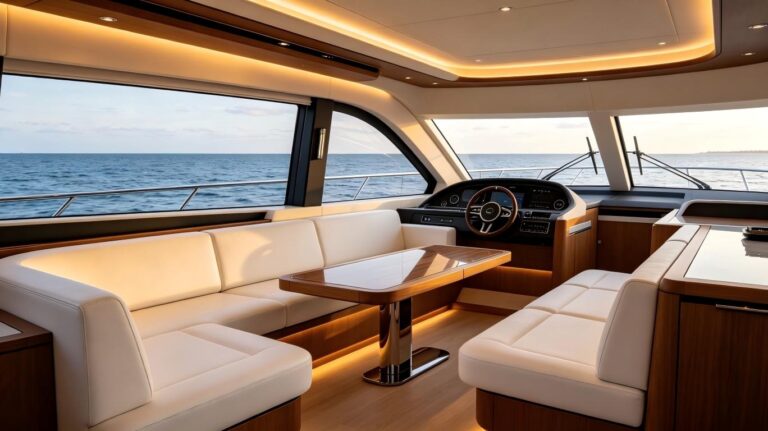
Ten years. The same silicone-coated fabric is still in service in a hotel lobby that runs eighteen hours a day. Eighteen months, and an identical material had split at the seams on gym bench upholstery. Six weeks, and a third roll stained permanently beside a swimming pool.
Fabric usage explains all three outcomes. The material barely changed; the environment did the damage. This guide turns that lesson into six checks that match a fabric to its job before money moves, with the test numbers that back each one.
One Fabric, Three Fates
The lobby fabric sees constant sitting, luggage scuffs, and daily vacuum-and-wipe cleaning. Its silicone surface shrugged all of it off, because abrasion load was high but chemistry stayed mild. Martindale testing on that grade runs past 100,000 cycles, and the install reached year ten without a patch.
The gym bench failed early for two reasons. Sweat carries a low pH that attacks the wrong coatings, and alcohol-based disinfectant spray ran over every surface between classes. Neither force appears in a lobby spec sheet, yet both dominate a fitness studio’s fabric usage profile.
Poolside is harsher still. Chlorine, sunscreen, and unfiltered UV stripped the stain resistance of a fabric that would have lasted a decade indoors. Same roll width, same base cloth, same coating weight, three different endings. The variable was never the fabric. It was where the fabric was asked to work.
The pattern repeats across every sector we ship to. Cinema seats fade where projector light leaks. Airport benches fray at armrest height. Senior living recliners stiffen where sanitizer pools in seams. Each failure traces back to one force the original spec ignored. That is why the first check is environmental, never aesthetic.
The Four Forces That Decide Fabric Usage
Every environment applies four forces, in different proportions. Abrasion load counts how often bodies and objects cross the surface. Chemistry covers sweat, disinfectants, sunscreen, chlorine, and food oils. Moisture and UV set how fast hydrolysis and fading proceed. Cleaning intensity decides how aggressive the daily wipe-down will be. Log the numbers as you go; memory exaggerates what feels normal.
Name the proportions and the fabric shortlist writes itself. A reading room is abrasion-light and chemistry-light. A ferry deck is UV-heavy, salt-heavy, and soaked. Marine programs fail on hydrolysis and sun long before they fail on rub counts. That is why outdoor and marine applications demand weathering data indoor buyers never see.
Quantify each force before you shortlist anything. Count seats and daily turnover to estimate abrasion cycles. Ask the cleaning crew which agents they use, at what dilution, and how often. Map sun exposure by window orientation. Every number you collect here becomes a spec floor in the next section.

A water-bead test takes ten seconds and predicts a decade.
Matching Fabric Usage to the Environment
The table below compresses the four forces into spec floors for six common environments. Treat the numbers as entry requirements, not stretch goals. Any quote that cannot meet the floor for its column is not a discount; it is a defect.
| Environment | Dominant force | Spec floor to demand |
|---|---|---|
| Hotel lobby seating | Abrasion | Martindale 50,000+ cycles |
| Restaurant booth | Abrasion + food oils | 30,000 double rubs, stain release grade 5 |
| Fitness studio | Sweat + alcohol spray | Alcohol-resistant coating, antibacterial option |
| Clinic and lab | Disinfectant loops | Low VOC, quaternary ammonium wipe-tested |
| Marine and poolside | UV + chlorine | 1,500+ hours UV, hydrolysis 14 weeks at 85°C |
| Bus and rail transit | Abrasion + fire code | Martindale 200,000+, FMVSS 302 flame retardance |
Where a program spans several environments, sample per environment instead of averaging. The sector pages under TOPSUN applications keep per-environment spec sheets for exactly this reason.
Watch how service life separates the same material across duty levels.
What Misuse Costs by the Numbers
The gym that replaced benches at eighteen months will buy the same surface five times in ten years. Installation labor and closed rooms come on top. A matched fabric at ten years of service turns five purchases into one. Even at a modest per-meter premium, the matched spec usually wins the decade by a wide margin.
Cleaning budgets show the same pattern. A fabric that releases stains with water and mild soap costs minutes per table. A fabric that needs solvent cleaners costs minutes plus chemistry plus staff exposure, every single day. Fabric usage planning is therefore a maintenance decision as much as a purchasing one.
One regional fitness chain ran the math across 40 studios. Its original bench fabric averaged 18 months in service. Facilities budgeted for roughly six full refits per studio over a decade. A switch to an alcohol-resistant, sweat-stable coating pushed first failure past year six. The refit budget fell by more than half, and member complaints about sticky benches fell with it.
Ask Which Fabric Fits Your Environment
The Paper Trail That Proves a Fabric Fits
Claims are cheap; reports are not. Ask each supplier for the documents that map to your four forces. Abrasion cycles come from Martindale or Wyzenbeek rigs. Hydrolysis results come from 85-degree humidity chambers. Add colorfastness grades, flame certificates where codes apply, and VOC sheets for enclosed spaces.
Fiber family matters too. Synthetic fibers lead on durability and shape retention, which is why performance seating rarely uses delicate naturals. One industry guide credits bio-based nylon jacquard with cutting garment weight by 40% when a designer swapped heavier cloth. Match fiber family to duty before comparing prices. The right family at a higher price usually beats the wrong family at a discount.
Batch consistency closes the loop. A certificate for the sample roll means little if order number twelve drifts. Ask how the supplier documents production. Reports shipped with each batch, a fixed coating weight window, and a named test method per property turn a one-time approval into a repeatable standard.

Creases and folds show the truth about daily flexing.
Keeping the Right Fabric Right in Service
A correct match still needs a correct routine. Set the cleaning protocol to the mildest agent that passes your hygiene test. Run it at fixed intervals, and log the products your staff actually use. Suppliers who know the real chemistry can confirm compatibility instead of guessing. Send them the actual product labels, not generic names. One word of difference in a disinfectant formula can change the result.
Retest after the first season. Run a quick wipe test with your strongest disinfectant. Rub colorfastness against a white cloth. Inspect the seam zones. All three tell you whether the fabric usage plan is holding. The cleaning and maintenance guide lists agents and intervals by coating type.

Senior living seating runs the toughest cleaning loops in hospitality.
The Six Checks, In Order
Order matters because each step feeds the next. Forces defined early set the floors. Floors set the shortlist. Samples test the shortlist. The protocol protects what you bought. Skipping a step usually sends the team back to square one after installation. That is the most expensive place to start over.
Work the list in order and the wrong fabric cannot reach your floor:
- List the four forces for each space: abrasion, chemistry, moisture and UV, cleaning.
- Write a spec floor number for every force, per environment.
- Shortlist fabrics whose reports meet the floors, not the brochure.
- Wipe-test samples with your real disinfectants before signing.
- Fix the cleaning protocol and train the crew on it.
- Re-inspect seams and color after the first season, then yearly.
Fabric usage is not a catalog page. It is a matching problem. The six checks solve it with numbers your facilities team can defend in any budget meeting.
About TOPSUN
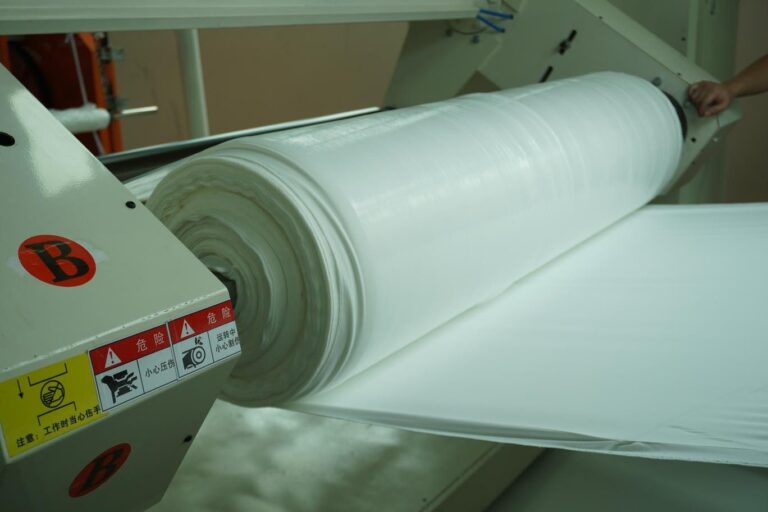
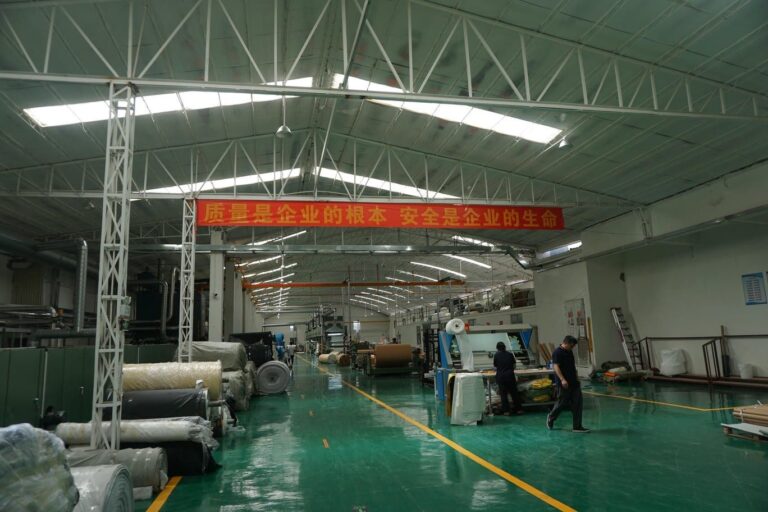
TOPSUN manufactures silicone-coated fabrics for furniture, healthcare, marine, and transit programs. Monthly capacity runs at 500,000 meters, and the minimum order starts at 500 meters. SGS test reports ship with every order, and sector spec sheets are available on request. Ask for the hydrolysis and UV data sheets when your program spans outdoor zones.
Frequently Asked Questions
Can one fabric serve several environments?
Only when the worst environment sets the spec. If one roll covers a lobby and a gym, order to the gym’s chemistry and abrasion floors. Averages fail at the hard end.
What reports should come with a fabric order?
Ask for abrasion cycles with the test rig named. Add hydrolysis results, colorfastness grades, flame certificates where codes apply, and VOC data for enclosed rooms. Batch-level reports from a third party such as SGS carry more weight than catalog claims.
How often should high-traffic upholstery be replaced?
Replacement follows inspection, not the calendar. Check seam zones, armrests, and color depth quarterly. A matched fabric in a lobby often passes year eight, while a mismatched one rarely sees month twenty.
References
1. https://szoneierfabrics.com/types-of-fabrics-an… – Types of Fabrics and Their Uses: synthetic fibers lead on durability and shape retention; Kevlar grades reach 5 cN/dtex with 400°C heat tolerance; a bio-nylon jacquard swap cut garment weight by 40%.
2. https://tradegradetools.com/materials/fabric-ma… – Fabric Manufacturer China: cotton serves apparel, bedding, and medical textiles; polyester is chosen for durability, wrinkle resistance, and shape retention across home and industrial uses.