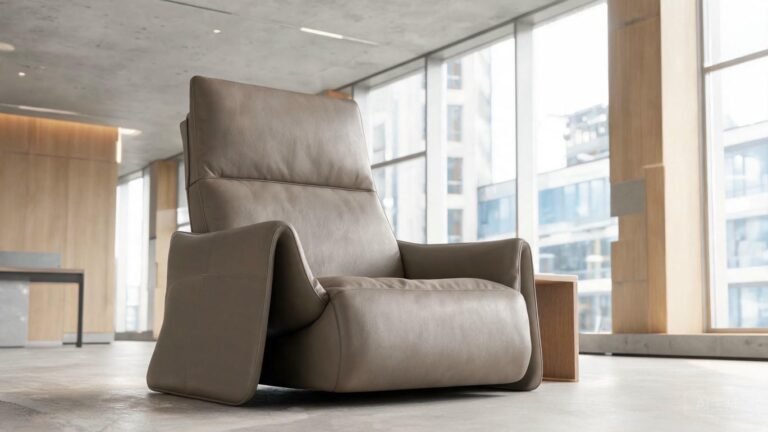
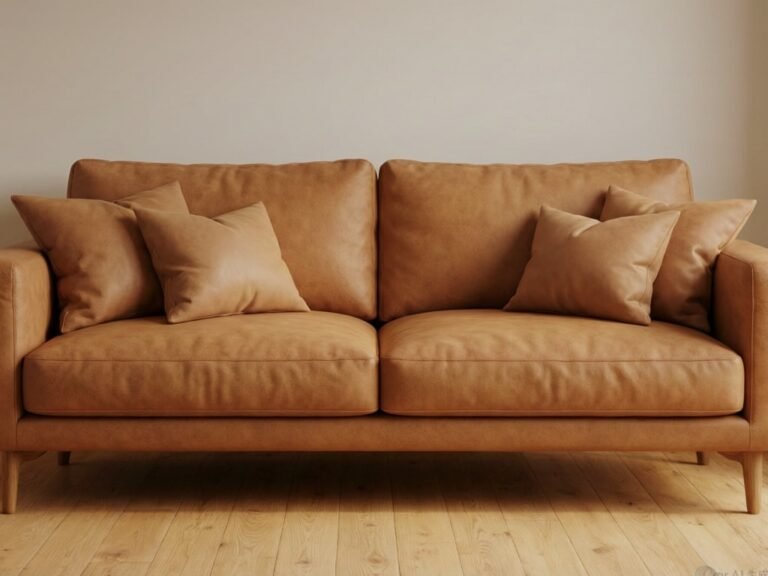
A lounge chair leaves our workshop in March and looks flawless on a showroom floor. By September, the seat cushion has loosened into a shallow bowl, and the cover ripples every time someone sits down. The buyer files a claim. The factory blames the foam. The foam supplier blames the fabric. One fabric elastic number could have settled the argument before the container ever shipped.
That number is elastic recovery. It shows up on every decent test report as a plain percentage. It decides whether upholstery keeps its shape through a season of trade shows, whether cushions survive 80,000 compression cycles, and whether the next container clears inspection on arrival.
What “Fabric Elastic” Means on a Test Report
Fabric elastic behavior describes how a textile stretches under load and returns when the load releases. Two properties work together. Stretch, or elongation, is how far the fabric moves before it breaks or hits its working limit. Recovery is how much of that movement it gives back. A fabric can score high on stretch and still fail in service if recovery is poor.
Every seat, sofa, and headboard lives on this pair of numbers. The cover fabric wraps the foam and holds the whole assembly in tension. When recovery drops, the envelope relaxes, the foam underneath takes the load unevenly, and the surface starts to bag long before the foam itself is worn out.

Layered soft leather sheets: the drape buyers praise on day one comes from recovery, not softness alone.
The Four Numbers ASTM D4964 Reports
ASTM D4964 is the standard test method for tension and elongation of elastic fabrics. The machine pulls a specimen at a constant rate and records four values. Power is the force the fabric resists at a given extension. Breaking elongation is the stretch percentage at failure. Elastic recovery is the share of stretch the fabric returns after cycling. Permanent set is what never comes back, the residual deformation left in the material.
For woven stretch fabrics, ASTM D3107 covers the same recovery logic, and ASTM D2594 handles knits. Well-engineered stretch textiles recover 85 to 95 percent of their elongation. Below that band, upholstery starts to bag out.
Reading the four values together matters more than any single figure. High power with low recovery reads as a stiff fabric that tires fast. High elongation with high permanent set reads as a fabric that stretches and stays stretched. We ask buyers to rank recovery first for seating work, then permanent set, then power.

Diagonal stripe embossing in rose and brown: surface pattern and elastic recovery are specified as separate lines.
Where Recovery Fails, and What Skipping the Test Costs
Failure rarely announces itself in the lab. It shows up as a seat cushion that thins out, a sofa back that sags, a headboard panel that waves. Foam takes most of the blame, and often it deserves some. But the fabric envelope controls how the whole assembly holds its shape through years of daily sitting.
The cost asymmetry is the part buyers miss. Fatigue testing costs a modest lab fee per construction. A single warranty campaign on bagged-out upholstery costs five to fifteen times that in freight, rework, and replacement seating. Skipping the recovery check to save a test fee is the trade our inspection files flag most often.
| Check You Might Skip | Lab Cost | Field Cost |
|---|---|---|
| Elastic recovery and permanent set (D4964, D3107/D2594) | One report per construction | Bagged seats and rippled covers inside the first year |
| Compression fatigue (D3574, 80,000 cycles at 750 N) | A modest per-construction fee | Claim costs of 5 to 15 times the test budget |
| Lot-level verification on every production batch | One sampling day per lot | A full container pulled from the line for review |

Showroom seating in soft coated fabric, where recovery decides how long the cushions look new.
Batch Consistency: The Inspector’s View of Elastic Recovery
A certificate from lab report number one proves little about container number forty. Recovery percentages drift between batches when yarn lot, coating weight, or heat setting changes. Our incoming inspection treats elastic recovery as a lot-level property, not a one-time approval. Every production lot gets sampled against the original report before release.
Chemistry matters for how recovery ages. Plasticized PU loses rebound as its additives migrate out, which is why a seat that passes in spring can bag out by winter. Silicone elastomer carries no plasticizers to lose, so recovery holds steadier across the service life. That stability is one reason we favor it for furniture and sofa applications.
Aging behavior deserves its own file, not a footnote. Our hydrolysis resistant silicone leather guide explains how silicone chemistry changes the degradation curve plasticized PU follows.
Watch our lab cycle silicone-coated leather through repeated stress, the kind of loading that separates real recovery from a good first feel.

Formed rose shapes in three colors hold their geometry after repeated handling, visible proof of set resistance.
Five Checks Before You Approve a Fabric Elastic Spec
Our inspection team wrote this list from real claim files. Hand it to whoever signs off on your next fabric approval.
- Demand the construction report. Ask for ASTM D4964 elastic recovery and permanent set on the exact fabric you are buying, not a family datasheet.
- Match the method to the fabric. Woven stretch falls under ASTM D3107, knits under ASTM D2594. A recovery number without a method is a guess.
- Add the fatigue number. Require D3574 cycling on the foam or laminate: 80,000 cycles at 750 N, hardness loss held under 15 percent.
- Tie approval to the lot. Sample every production lot against the original report before release, so container forty matches report one.
- Write recovery into the contract. An 85 percent floor in the purchase agreement beats a verbal promise made over a sample email.
The same recovery logic carries into harsher duty. Coastal and open-air programs age fabrics faster than living rooms ever will, and our marine and outdoor applications page maps which constructions suit salt, sun, and humidity.
Request Samples With Full Recovery Data
Frequently Asked Questions
What elastic recovery number should I write into an upholstery spec?
Set 85 percent as the contract floor on the actual construction. Quality stretch textiles recover 85 to 95 percent, and anything below that band starts bagging out in service. Require lot-level verification so the number holds for every shipment, not just the sample.
Is one test report enough for a full program?
No. Recovery drifts between batches when yarn lot, coating weight, or heat setting changes. Sample every production lot against the original report before release. The testing costs a modest fee, and the claims it prevents run five to fifteen times higher.
About TOPSUN
TOPSUN engineers fabric elastic performance into silicone-coated leather for furniture, marine, and contract seating programs, from 0.23 mm skins to 3.0 mm structural panels.
Lot-level recovery verification, in-house tensile and flex-fatigue testing, and D4964-aligned reporting ship with every order, alongside Pantone and RAL matching across 100+ textures.
References
1. https://infinitalab.com/blogs/tension-elongatio… — ASTM D4964 tension and elongation testing of elastic fabric, reporting power, breaking elongation, elastic recovery, and permanent set.(2026)
2. https://www.banyantextile.com/news/industry-new… — A true stretch fabric must recover 85 to 95 percent of its stretched length; ASTM D3107 covers wovens and ASTM D2594 covers knits.(2026)
3. https://deruitestequipment.com/foam-fatigue-tes… — ASTM D3574 I3: 80,000 compression cycles at 750 N, hardness loss bands under 15, 15 to 25, and over 25 percent, with skipped-test claims costing 5 to 15 times the testing.(2026)