Woven leather commands premium pricing — often 1.5x to 2x the material cost of smooth leather equivalents — yet most B2B buyers struggle to differentiate genuine quality from commodity-grade stock. The problem isn’t a lack of information; it’s that suppliers routinely omit the five specifications that actually predict long-term performance. After auditing dozens of woven leather samples across bag, shoe, and upholstery applications, we’ve identified exactly which specs matter and which ones are window dressing. Here’s what to demand before you sign a purchase order.

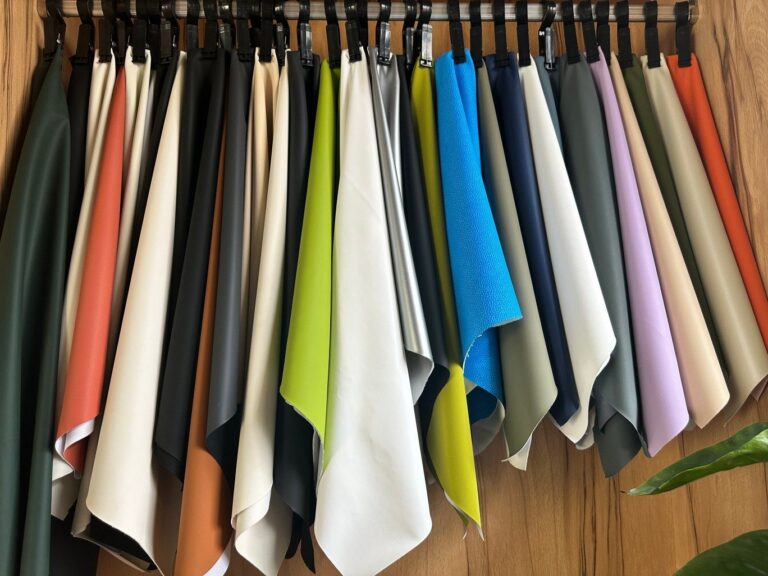
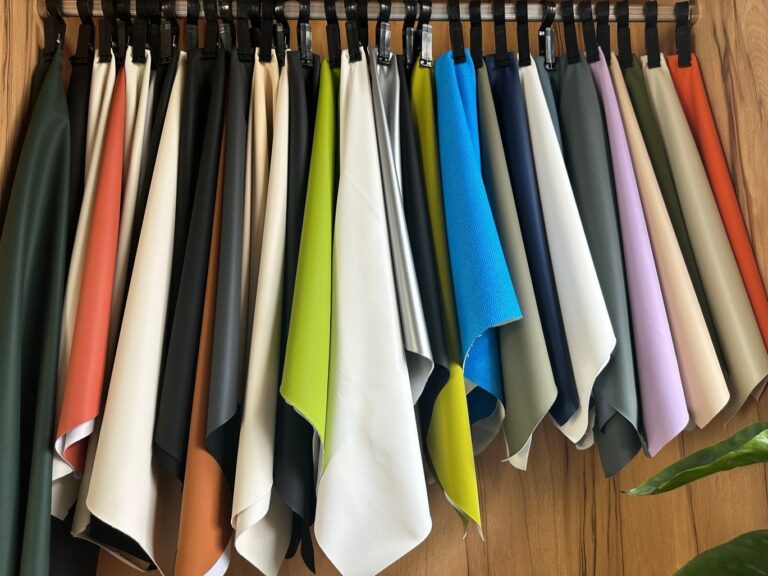
Woven leather textures available in multiple colorways and embossed patterns
What Is Woven Leather? Material Definition for B2B Procurement
Woven leather refers to material constructed by interlacing thin leather strips — typically 3mm to 10mm wide — through techniques like intrecciato, basket weave, or herringbone patterns. The base substrate can be genuine leather, synthetic leather, or silicone-coated fabric, depending on the end application. Woven base cloth represents approximately 24.7% of the global leather base cloth market, generating $1.30 billion in 2025, making it the second-largest segment after plain base cloth.
For procurement teams, understanding how woven leather is made matters because the manufacturing technique directly determines cost, lead time, and performance. Hand-woven intrecciato pieces require 1–2 days of artisan labor per item and use significantly more material than solid construction. Machine-woven alternatives reduce labor but may sacrifice structural integrity if the base material lacks sufficient tensile strength. The choice between hand-woven and machine-woven should align with your product’s price point and target lifespan.
Woven Leather Durability: The Specs That Predict Real-World Performance
Most suppliers will quote a thickness range and color options. Fewer will volunteer abrasion data. Almost none will provide flex resistance numbers unless asked. That’s a problem — woven leather durability depends on these metrics far more than on thickness or grain pattern. In our Martindale abrasion testing, premium woven leather substrates consistently show 200,000+ cycles before visible wear, while commodity-grade samples begin surface degradation at 20,000–40,000 cycles. That’s a 5x to 10x performance gap that directly translates to product returns and warranty claims.
| Specification | Premium Grade | Commodity Grade | Why It Matters |
|---|---|---|---|
| Martindale Abrasion | ≥ 200,000 cycles | 20,000–40,000 cycles | Predicts surface wear timeline |
| Flex Resistance | ≥ 50,000 cycles | Not tested | Critical for bags, shoes, wearables |
| Tear Strength | ≥ 15–20 N | ≥ 5–8 N | Determines strip breakage risk |
| Color Fastness | Grade 4–5 | Grade 2–3 | Affects fade resistance in UV exposure |
The flex resistance gap is particularly telling. Woven leather flexes at every strip intersection — far more stress points than solid leather. If your supplier can’t produce ISO 5402 flex test data, you’re buying blind. Quality inspection protocols should mandate this documentation before sample approval.

Martindale abrasion tester — the first line of defense against premature wear claims
Woven Leather vs Smooth Leather: A Procurement Cost Analysis
The woven leather vs smooth leather debate often gets framed as an aesthetic choice. For B2B buyers, it’s primarily a cost and lifespan calculation. Woven construction uses 1.5x to 2x more material than an equivalent solid piece, and hand-woven labor adds 1–2 days per item. That said, premium woven leather lasts 10–20+ years with proper care, compared to 3–5 years for standard PU alternatives.
Here’s where it gets interesting for sourcing managers: when you use a silicone-based substrate for woven construction, the material cost premium narrows significantly. Silicone leather offers inherent UV stability (1,000+ hours no fading), hydrolysis resistance, and a 10+ year service life — meaning the total cost of ownership over a product’s lifecycle can actually be lower than commodity PU woven alternatives that require replacement every 2–3 years.
Custom Woven Leather Manufacturing: What to Demand From Your Supplier
Custom woven leather sourcing fails most often not at the material level, but at the specification level. We’ve worked with B2B clients who initially specified traditional woven leather for bag production, only to discover that their supplier’s color matching couldn’t hold consistency across batches — Delta E values drifted above 3.0, making multi-batch production visually inconsistent. The fix wasn’t changing suppliers; it was demanding the right documentation upfront.
Spec checklist for custom woven leather orders:
- Color accuracy: Pantone or RAL matching with Delta E ≤ 1.0, verified per batch
- Texture consistency: Custom embossing rollers available within 7–10 days
- Strip dimensions: Width tolerance ±0.2mm for uniform weave appearance
- Base substrate specs: Tensile strength ≥ 10–15 N/mm, elongation ≥ 250–300%
- MOQ and lead time: Minimum 500 meters, 7–15 day production turnaround
For fashion and sports applications, woven leather must also meet specific performance criteria that go beyond aesthetics. Sweat resistance, color fastness under friction, and dimensional stability under stretching all affect end-product quality. Ask your supplier for ISO 105-X12 rubbing fastness data — if they can’t provide it, their woven leather isn’t ready for apparel-grade applications.

Premium woven leather craftsmanship — strip uniformity determines structural integrity
Woven Leather Applications: Where This Material Excels
Woven leather finds its strongest demand in applications where visual texture, breathability, and structural flexibility matter simultaneously. The global premium leather goods market is growing over 6% annually, with woven construction capturing a meaningful share of that growth. Key application areas include:
- Bags and accessories: Woven leather for bags remains the largest segment — intrecciato wallets, totes, and clutches command 30–50% price premiums over smooth equivalents
- Footwear: Woven leather for shoes provides breathability that solid construction cannot match, particularly in premium sneakers and summer footwear
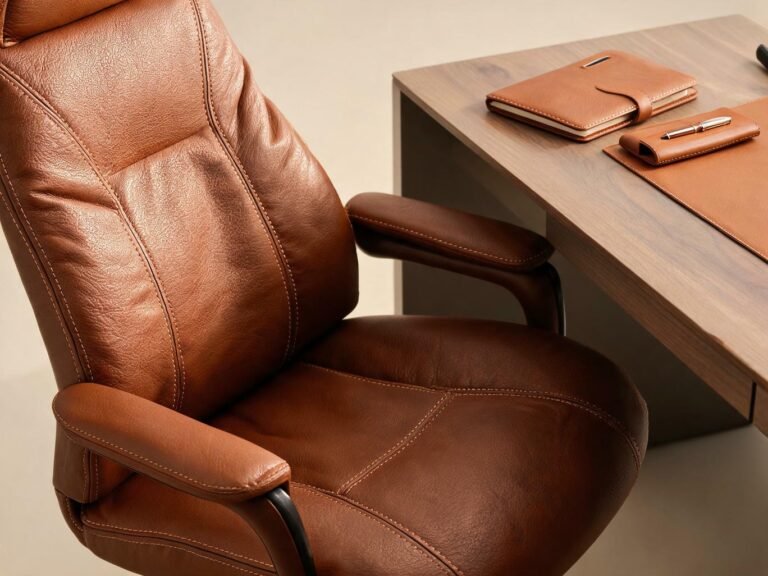
- Upholstery accents: Woven leather upholstery panels add visual depth to furniture, automotive trim, and yacht interiors
- Watch straps and wearables: The flexibility and breathability of woven construction suit skin-contact applications
For leather texture customization, woven patterns can be combined with embossed finishes to create hybrid textures that aren’t possible with traditional weaving alone. This opens possibilities for branded patterns and proprietary designs that differentiate products in competitive markets.
See how silicone leather achieves woven-look textures through custom embossing — no hand-weaving labor required
Before You Sign: 5-Point Sourcing Checklist
If you take one thing from this analysis, let it be this: the difference between premium and commodity woven leather comes down to five verifiable specifications. Don’t accept verbal assurances — demand test reports.
- Verify Martindale abrasion data — require ISO 12947-2 test reports showing ≥ 200,000 cycles
- Demand flex resistance numbers — ISO 5402 data with ≥ 50,000 cycles for any flexing application
- Check color consistency protocols — Delta E ≤ 1.0 with per-batch verification
- Confirm substrate tear strength — ≥ 15–20 N per ISO 34-1, critical for strip integrity
- Validate lead time and MOQ — 7–15 day production with 500m minimum, custom embossing in 7–10 days
Woven leather sourcing rewards buyers who specify aggressively and verify relentlessly. The suppliers who can’t meet these specs will self-select out of your pipeline — and that’s exactly the outcome you want.
About TOPSUN
TOPSUN manufactures silicone leather substrates engineered for woven and textured applications across fashion, accessories, and upholstery markets. Production facilities span 60,000+ m² with 500,000+ meters monthly capacity.
Custom embossing rollers in 7–10 days | Pantone matching with Delta E ≤ 1.0 | 200K+ Martindale cycles verified | 100+ texture patterns available