Microfiber furniture fabric looks impressive on a spec sheet — 100,000 Martindale cycles, Grade 4 color fastness, a weight range from 280 to 420 g/m². Those numbers place it well above standard PU leather for residential sofas. But the same polyurethane binder that gives microfiber its leather-like hand feel also guarantees hydrolysis within 5–7 years. The question for B2B buyers isn’t whether microfiber is the best synthetic. It’s whether the roll you’re about to order will actually deliver the performance the spec sheet promises.
| Spec | Entry Grade | Premium Grade | Silicone Equivalent |
|---|---|---|---|
| Martindale (cycles) | 50,000 | 100,000 | 200,000+ |
| Weight (g/m²) | 280–320 | 390–450 | 200–800 |
| Hydrolysis resistance | 3–5 years | 5–7 years | 10+ years |
| Pilling (ICI scale) | Grade 3–4 | Grade 4–5 | N/A (no pilling) |
Request Free Fabric Comparison Samples
Microfiber Furniture Fabric: What’s Actually in the Roll
Microfiber furniture fabric is an ultra-fine polyester fiber substrate bonded with a polyurethane resin coating. The fibers — typically less than one denier in diameter — are woven or non-woven into a dense mat that mimics the collagen fiber structure of genuine leather. This is why microfiber feels closer to real leather than standard PU: the fiber architecture underneath creates a depth and breathability that flat PU coatings can’t replicate.

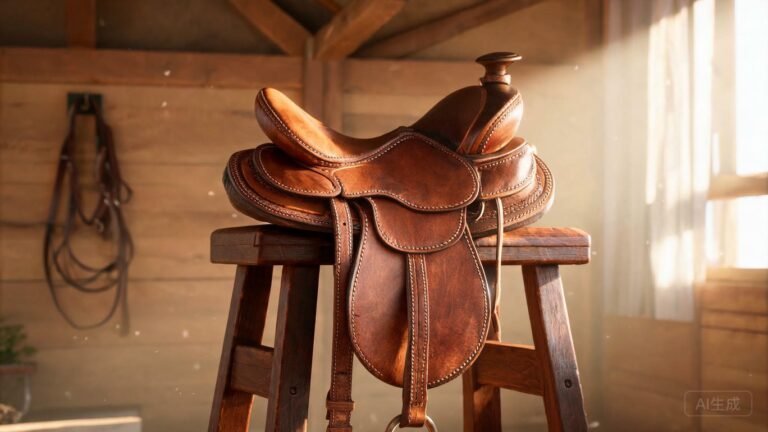
Fabric inspection stations verify substrate consistency — the base layer quality determines whether the PU coating bonds properly over the microfiber mat.
But here’s the engineering tradeoff: that PU binder is the same chemistry that fails in standard polyurethane leather. Microfiber improves the substrate; it doesn’t fix the coating. The polyester fibers are stable for decades. The PU resin that binds them degrades through hydrolysis — absorbing ambient moisture and breaking down the polymer chains. In our lab testing, premium-grade microfiber shows surface cracking and coating delamination after 5–7 years of normal humidity cycling, regardless of the Martindale rating underneath.
The 6 Specs That Determine Real-World Performance
When evaluating microfiber furniture fabric for furniture sofa applications, most spec sheets lead with Martindale and color fastness. Those matter. But six specifications separate the rolls that survive contract furniture use from those that fail within 18 months:
- 1. Coating weight (g/m² of PU): Minimum 80 g/m² for contract grade. Below 60 g/m², the PU layer is too thin to protect the fiber substrate from liquid penetration.
- 2. Hydrolysis test data (ISO 11507): Don’t assume Grade 4 color fastness means hydrolysis resistance. Request specific ISO 11507 accelerated aging results — 72+ hours without surface change is acceptable for commercial use.
- 3. Tear strength (ISO 34-1): Minimum 15-20 N. Microfiber with low tear strength will split at seam lines under tension, even with high Martindale ratings.
- 4. Substrate weight (g/m²): 330-380 g/m² for residential; 390-450 g/m² for contract/hospitality. Lighter substrates flex more but compress faster under sustained load.
- 5. Pilling resistance (ICI pilling): Grade 4-5 minimum. Surface pilling is the first visible sign of fiber degradation — and it happens before structural failure.
- 6. Batch consistency (Delta E): Verify the supplier’s hydrolysis-resistant alternative options if color variation between batches exceeds Delta E 2.0.

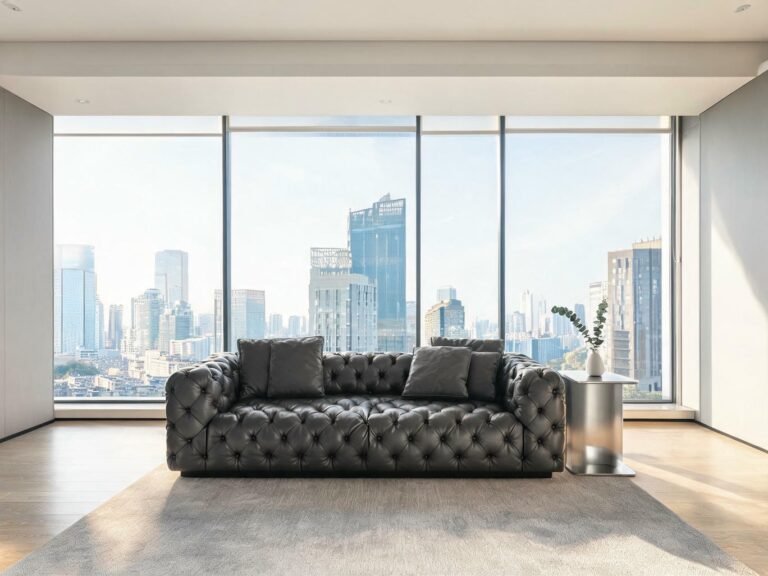
Microfiber furniture fabric in application — the PU coating provides leather-like hand feel but determines the material’s ultimate lifespan.
Microfiber vs Silicone: Where the PU Base Fails
Microfiber furniture fabric outperforms standard PU in hand feel and breathability. Against silicone-coated alternatives, the comparison reveals a structural divide. Microfiber’s PU binder hydrolyzes. Silicone doesn’t. That single chemistry difference cascades into every downstream performance metric.
In our silicone vs microfiber leather comparison, we documented how microfiber’s 100K Martindale rating holds for the first 2-3 years — then drops sharply as hydrolysis degrades the PU binder. By year 5, the effective abrasion resistance of aged microfiber is closer to 30-40K cycles, not the 100K on the original spec sheet. Silicone leather’s 200K+ Martindale rating holds steady for 10+ years because the silicone polymer is inherently hydrolysis-proof.

Abrasion testing verifies the Martindale rating — but buyers should request test data on aged samples, not just new production batches.
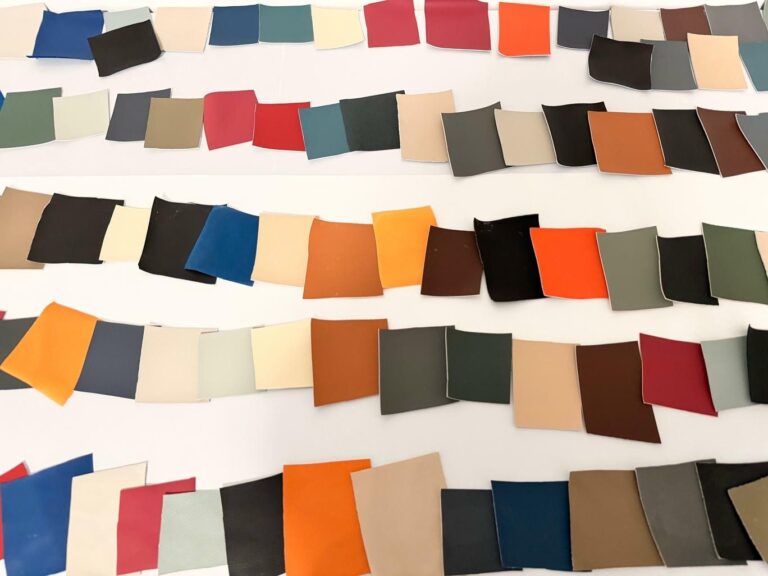
Durability comparison showing how silicone leather outperforms microfiber and PU over extended service life.
Talk to Our Material Engineers
Procurement Checklist: Don’t Sign Without These
| Verification Item | If Missing |
|---|---|
| Martindale test report from SGS or Intertek | Rating is self-declared, not verified |
| ISO 11507 hydrolysis aging data | No proof of long-term coating stability |
| Coating weight specification (g/m² PU) | Cannot assess liquid resistance adequacy |
| Pilling grade (ICI, Grade 4-5) | Surface degradation timeline unknown |
| Aged sample test (12-month equivalent) | Martindale rating may not hold after hydrolysis |
Does microfiber furniture fabric outlast PU leather?
Yes, typically 2x longer. Microfiber’s fiber substrate provides structural integrity that flat PU lacks. But both share the same PU binder chemistry, so both hydrolyze. Microfiber lasts 5-7 years in commercial settings; PU lasts 3-5. Silicone leather, which uses no PU at all, lasts 10+ years.
Can microfiber fabric match silicone’s cleaning compatibility?
No. Microfiber’s PU surface degrades with repeated bleach or alcohol exposure — the solvents break down the polyurethane binder. Silicone leather is bleach-safe and alcohol-compatible because its polymer backbone resists both. For medical or hospitality settings requiring frequent disinfection, this difference determines replacement frequency.
Get a Custom Fabric Spec Sheet
About TOPSUN
TOPSUN engineers hydrolysis-proof silicone leather as a direct upgrade path for B2B buyers specifying microfiber furniture fabric in contract furniture, hospitality seating, and medical upholstery where 5-year replacement cycles are unacceptable.
200K+ Martindale verified · ISO 11507 hydrolysis-proof · Bleach-safe · 100+ textures · Free A4 swatches worldwide