The British leather tannery industry was once the envy of the world. For centuries, UK tanneries produced some of the finest leather money could buy — English bridle leather, Scottish saddle leather, Devon oak-bark tanned hides. Names like Sedgwick, J&FJ Baker, and Clayton were synonymous with quality and craftsmanship. Leather from British tanneries furnished royal palaces, equipped armies, and supplied the most prestigious luxury brands on the planet.
Today, the picture is very different. In just 70 years, the UK has lost more than 400 tanneries. From an industry that once employed tens of thousands of people, fewer than two dozen tanneries remain — and many of those are small, specialized operations serving niche markets. Eighty percent of British cattle hides are now shipped abroad for processing, and the UK is a net importer of leather goods with a trade deficit exceeding £300 million. What happened to one of Britain’s oldest and most storied industries? And what does the current landscape look like for buyers who want British leather?
Explore Modern Leather Alternatives

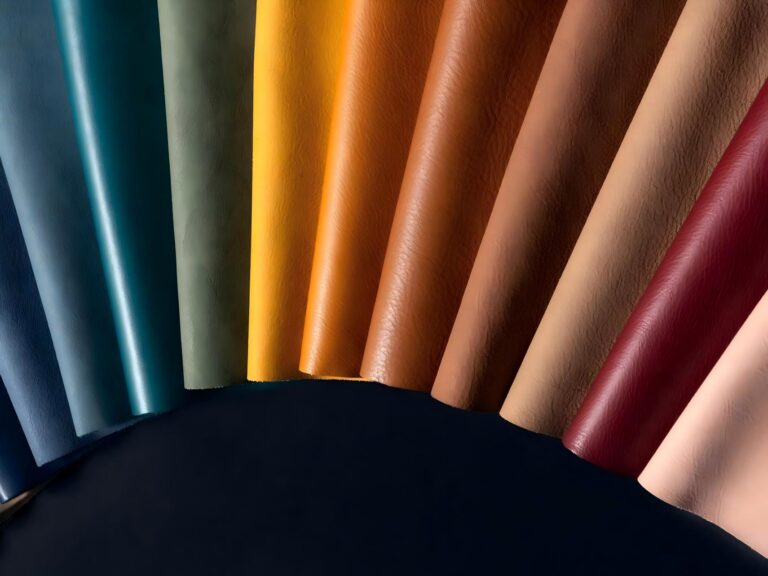
Leather production has evolved dramatically — from traditional pit tanning that took months to modern manufacturing that is faster and more controlled
What Remains: Key UK Tanneries Today
The UK tanning industry may be a shadow of its former self, but what remains is still significant — particularly at the high end of the market. The surviving tanneries tend to be either very specialized producers of traditional luxury leathers or larger operations that have invested heavily in modernization and efficiency.
Scottish Leather Group is the largest player by far and arguably the most important tannery operating in the UK today. Based in Scotland, the group includes several historic tanneries — Lang, Muirhead, and Bridge of Weir — and produces a wide range of bovine leathers for automotive, furniture, aviation, and marine applications. Scottish Leather Group has invested heavily in modern technology and environmental improvements, making it one of the most advanced and sustainable tanneries in Europe. Their Bridge of Weir brand is particularly well-known in the automotive sector, supplying premium car manufacturers.
J&FJ Baker & Co of Colyton, Devon, is something of a national treasure — the last remaining oak bark tannery in Britain and one of only a handful left in the world. Using methods that have barely changed in 200 years, Baker’s tans leather in oak bark pits for up to 12 months, producing an exceptionally dense, durable, and beautiful leather that is prized by luxury leather goods makers and heritage craftspeople. Run by the sixth and seventh generations of the Baker family, the operation is small — about 20 people — but its reputation extends worldwide.
J&E Sedgwick — now part of the Clayton group — is legendary among leather crafters for its English bridle leather. Traditional bridle leather is vegetable-tanned, hot-stuffed with waxes and tallows, and finished to a smooth, glossy surface that develops a beautiful patina with age. While Sedgwick is no longer the independent tannery it once was, its bridle leather remains a benchmark for quality in the saddlery and leather goods world.
Devonia Sheepskins of Buckfastleigh, Devon, is Britain’s oldest sheepskin tannery and a supplier to luxury automotive brands including Rolls-Royce. Sheepskin is a significant part of the UK leather industry, thanks to the country’s large sheep population (farmed primarily for meat and wool, with skins as a byproduct). Devonia specializes in high-end sheepskin products for automotive interiors, apparel, and home goods.
There are also smaller specialist tanneries scattered around the country — some doing vegetable tanning, some doing chrome tanning, some focusing on sheepskins or exotic leathers. But their numbers are small, and their output is limited.
| Tannery | Location | Specialty | Key Market |
|---|---|---|---|
| Scottish Leather Group | Scotland | Full-grain bovine, wet blue | Automotive, furniture, aviation |
| J&FJ Baker & Co | Devon, England | Oak bark tanned leather | Luxury goods, heritage craft |
| J&E Sedgwick (Clayton) | England | English bridle leather | Saddlery, leather goods |
| Devonia Sheepskins | Devon, England | Sheepskin products | Luxury automotive, apparel |
| Other small tanneries | Various | Specialty and niche products | Craft, small-scale luxury |

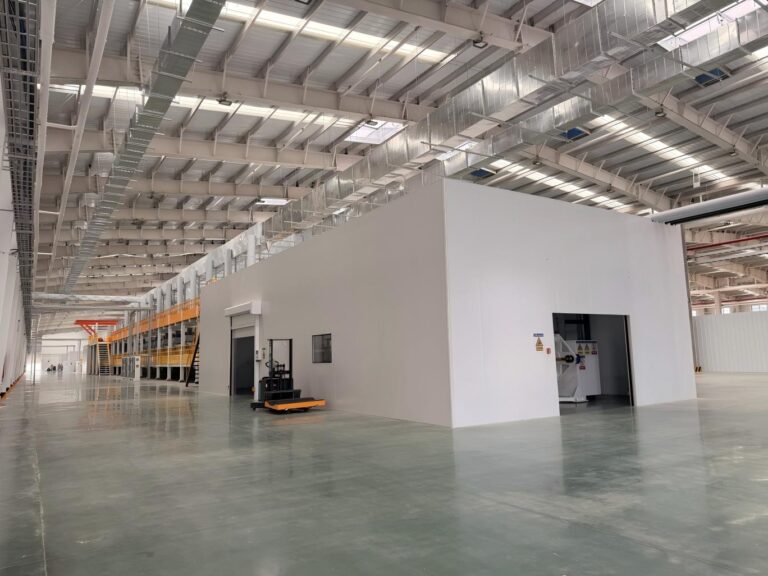
Modern leather manufacturing is a capital-intensive process — many UK tanneries have closed because they could not afford to upgrade equipment and meet new regulations
Why the UK Tanning Industry Declined
The decline of the British tanning industry is not a simple story — it is the result of multiple factors acting over decades. Understanding what happened helps explain the current state of the industry and what might come next.
Regulation and environmental compliance. Tanning is a chemically intensive process, and it generates significant wastewater. As environmental regulations tightened in the UK and EU from the 1970s onward, tanneries were forced to invest heavily in wastewater treatment and pollution control. Smaller tanneries that could not afford the upgrades closed. The cost of compliance remains one of the biggest barriers to entry and one of the biggest challenges for existing tanneries.
Globalization and competition. As trade barriers fell and global supply chains developed, leather production shifted to countries with lower labor costs, less stringent environmental regulations, and growing domestic demand for leather. Italy, Spain, India, China, and Brazil all developed large tanning industries that could produce leather more cheaply than UK tanneries. British brands that once sourced locally started buying from overseas suppliers to reduce costs.
Decline of downstream industries. The UK tanning industry was supported by a large domestic leather goods manufacturing sector — shoemakers, saddlers, bag makers, furniture factories. As those industries declined or moved overseas, the domestic market for British leather shrank. Tanneries that had supplied local manufacturers lost their customer base.
Rising costs. Labor costs, energy costs, and raw material costs have all risen faster in the UK than in many competing countries. Tanning is energy-intensive, and the UK’s relatively high energy prices have put UK tanneries at a competitive disadvantage. The cost of raw hides has also been volatile, affected by global supply and demand dynamics.
Industry Statistic: In the past 70 years, the UK has lost more than 400 tanneries. Only about 20–23 remain in operation, and of those, only four practice traditional bark tanning. Eighty percent of British cattle hides are now exported for processing abroad.
What UK Tanneries Are Known For
Despite their small numbers, UK tanneries still command respect in the global leather industry — particularly in specific niches where British leather has a reputation that cannot be easily replicated elsewhere.
Heritage and craftsmanship. British tanneries have centuries of accumulated knowledge and skill. The traditional vegetable tanning methods practiced by tanneries like J&FJ Baker cannot be rushed — the oak bark tanning process takes up to 12 months. The resulting leather has qualities — density, depth of color, aging characteristics — that are genuinely different from faster, more modern tanning methods. For luxury brands and heritage-focused products, this craftsmanship story is a significant part of the value proposition.
Quality and consistency. The surviving UK tanneries tend to be the ones that invested in quality control and process improvement. Scottish Leather Group, for example, has some of the most advanced tanning technology in Europe and produces leather with extremely consistent quality — which is essential for automotive and aviation customers who demand uniformity across large orders.
Provenance and traceability. For buyers who care about where their materials come from, British leather offers a clear and well-documented supply chain. UK animal welfare standards are among the highest in the world, and the traceability systems in place make it possible to track leather from farm to finished product. This is increasingly important for brands that need to demonstrate responsible sourcing to their customers.
Specialty products. Some of the UK’s surviving tanneries produce types of leather that are very difficult to find elsewhere. English bridle leather, oak bark tanned leather, and British sheepskin all have specific characteristics that come from local traditions, local raw materials, and accumulated expertise. These are niche products, but they command premium prices because there are no direct substitutes.

British leather craftsmanship has a global reputation for quality — but the number of practitioners continues to decline
Sourcing British Leather: What Buyers Need to Know
If you are considering sourcing leather from UK tanneries, here are some practical factors to keep in mind.
Price. British leather is not cheap. The combination of high labor costs, strict environmental regulations, and small production volumes means that UK leather commands a significant price premium over leather from Italy, India, or China. For commodity leather — basic upholstery leather, standard shoe leather — it is hard to justify the price difference. For specialty or luxury leather where quality, provenance, and craftsmanship matter, the premium may be worth it.
Availability and lead times. Because UK tanneries are relatively small and often have long-established customer relationships, getting access to their leather can be challenging. Some tanneries have allocation systems for their most popular products. Lead times can be long — especially for traditional vegetable-tanned leathers that take months to produce. If you need reliable, just-in-time supply of large volumes of leather, a UK tannery may not be the best choice.
Minimum order quantities. MOQs vary widely among UK tanneries. Large operations like Scottish Leather Group can handle substantial orders but may have higher MOQs for custom specifications. Smaller specialist tanneries may have lower MOQs but longer lead times. If you are looking for small-batch, artisanal leather, the smaller UK tanneries may be a good fit — but expect to pay accordingly.
Sustainability claims. Many UK tanneries make strong sustainability claims, and some of them are well-founded — particularly around traceability, animal welfare, and waste treatment. However, it is important to verify these claims with actual data and certifications. Environmental performance varies significantly among tanneries, and “British” is not automatically synonymous with “sustainable.” Look for third-party certifications like Leather Working Group (LWG) gold or silver rating.
For buyers who are evaluating sustainable materials options — including both responsibly sourced genuine leather and high-performance synthetic alternatives — it is worth considering the full lifecycle impact of each option. The sustainability profile of silicone leather, for example, offers a different set of trade-offs that may be worth comparing.

Material lifecycle considerations — from raw materials to end of life — are increasingly important for responsible sourcing decisions
The Future of UK Tanning
What does the future hold for the UK tanning industry? The honest answer is that nobody knows for sure, but there are several trends worth watching.
On the positive side, there is growing consumer interest in provenance, craftsmanship, and local manufacturing — trends that favor British-made products. The “buy British” movement, the craft renaissance, and the demand for transparent supply chains all create opportunities for UK tanneries that can tell a compelling story about their products and their heritage. Premium and luxury brands in particular are increasingly interested in British leather as a way to differentiate their products and justify higher price points.
On the negative side, the structural challenges remain formidable. The cost base is high, the regulatory burden is heavy, and the skilled workforce is aging — younger people are not entering the tanning trade in sufficient numbers to replace the retiring generation. The number of tanneries continues to slowly decline, and there is a real risk that some traditional skills and techniques could be lost entirely within a generation.
There is also the broader question of what the leather industry looks like in a world that is increasingly concerned about animal welfare, environmental impact, and climate change. The growth of plant-based leather alternatives and the emergence of lab-grown leather suggest that the leather market of the future may look very different from the leather market of today. How UK tanneries adapt to these changes — or whether they can — remains to be seen.
Compare Sustainable Material Options
Frequently Asked Questions
Is British leather better quality than imported leather?
Not necessarily — it depends on what you mean by “better” and what type of leather you are comparing. The best UK tanneries produce excellent leather that can compete with the best in the world, and certain traditional British leathers (like oak bark tanned and bridle leather) have unique characteristics that are hard to find elsewhere. But there are also outstanding tanneries in Italy, France, Germany, Japan, and other countries that produce leather of equal or superior quality for different applications. “British-made” is not a guarantee of quality — you still need to evaluate the specific tannery, the specific leather type, and the specific specifications. The advantage of British leather is not that it is universally better, but that it has certain distinctive characteristics (traditional methods, good traceability, strong provenance story) that are valuable in certain markets.
Are UK tanneries more sustainable than tanneries in other countries?
Generally speaking, UK tanneries operate under some of the strictest environmental regulations in the world, which means they tend to have better wastewater treatment, lower chemical usage, and higher environmental standards than tanneries in countries with weaker regulations. However, this does not automatically make every UK tannery sustainable — there is significant variation among tanneries, and you should always look for third-party certifications like the Leather Working Group (LWG) rating. It is also important to consider the full environmental picture: UK tanneries may have better waste treatment, but they also have higher energy use (due to stricter treatment processes), and the transportation footprint of shipping hides to the UK and then shipping finished leather abroad can be significant. Sustainability is complex, and “UK-made” is just one factor to consider.
A Heritage Industry at a Crossroads
The UK tanning industry is at a crossroads. From a position of global dominance just a few generations ago, it has shrunk to a small handful of tanneries — most of them specialized producers serving niche markets. The craftsmanship, the heritage, and the quality are still there, but the industry is smaller, older, and more fragile than it once was.
For buyers who need large volumes of commodity leather at competitive prices, UK tanneries are probably not the answer. But for buyers who value heritage, craftsmanship, provenance, and unique product characteristics — and who are willing to pay a premium for those things — the remaining UK tanneries still produce some of the most distinctive and desirable leather in the world. Whether they will still be there in another generation is an open question.
Discuss Your Material Sourcing Needs
About TOPSUN
TOPSUN is a silicone leather manufacturer offering a high-performance, low-maintenance alternative to traditional leather — with verifiable sustainability credentials and consistent quality for B2B buyers evaluating their material options.
100% recyclable • Zero VOC emissions • REACH and RoHS compliant • 10+ year service life • SGS and Intertek certified • Consistent quality from roll to roll