As a commercial furniture asset manager overseeing 3,000+ recliner units across cinema chains, hotel lounges, and corporate wellness rooms, I’ve calculated the recliner leather replacement decision more times than I can count. The math looks simple: PU leather costs less upfront but fails in 3-5 years. Genuine leather lasts 15 years but costs 2-3x. The reality is messier — because the right answer depends on the asset’s remaining structural life, the service environment, and whether you’re repairing one panel or reupholstering an entire auditorium.
Request Recliner Replacement Samples
The Three Options: Repair, Replace, or Reupholster
When recliner leather starts peeling, cracking, or fading, you have three options — and choosing the wrong one wastes money. Repair means patching cracks, resurfacing worn areas, or applying a colored repair compound to extend the existing material’s life by 12-18 months. Reupholster means stripping the old leather and fitting new material onto the existing frame, using the old covers as patterns. Replace means buying entirely new recliner units, trading a known structural asset for an unknown one.
The decision hinges on one factor most asset managers overlook: the recliner’s structural remaining life. The frame, the mechanism, the foam — these components have their own lifespan independent of the upholstery. If the frame and mechanism have 8+ years of structural life remaining, reupholstering with a durable material is the clear ROI winner. If the mechanism is already creaking and the foam is bottoming out, you’re putting premium leather on a dying frame — and replacement is the only rational choice.

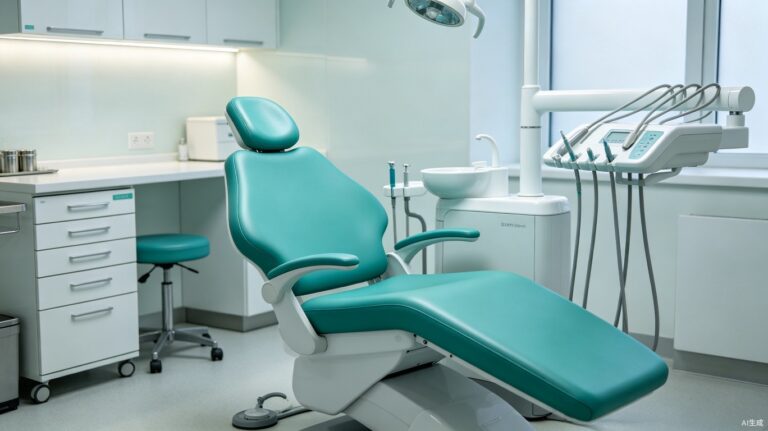
Commercial recliner seating — when PU leather cracks at the 3-year mark, the decision to repair, reupholster, or replace depends on the frame’s remaining structural life.
Decision Framework: Which Option for Which Scenario
I’ve built this framework from 200+ commercial recliner projects across cinemas, hotels, and office wellness rooms. Each scenario maps a specific failure mode to the action that maximizes remaining asset value.
| Scenario | Current Material | Failure Mode | Best Action | Replacement Material | Cost/Unit | Extended Life |
|---|---|---|---|---|---|---|
| Minor cracking, frame intact | PU leather | Surface cracks at flex points | Repair (12-18 months) | N/A — patch/resurface | $50-100 | 12-18 months |
| Widespread peeling, frame sound | PU leather (3-5 yrs old) | Hydrolysis + coating delamination | Reupholster | Silicone leather | $200-400 | 10+ years |
| Faded genuine leather, frame intact | Genuine leather (10+ yrs) | UV fading, dryness, patina wear | Reupholster | Silicone leather | $250-450 | 10+ years |
| Frame/mechanism failure | Any material | Structural — mechanism, foam, frame | Replace entire unit | Specify silicone leather on new units | $500-2,500 | 10-15 years |
| Sanitization-driven failure | PU leather (post-pandemic) | Alcohol disinfectant degradation | Reupholster | Silicone leather | $200-400 | 10+ years |

Flex testing equipment — recliner leather fails first at flex points (seat hinge, footrest fold, backrest crease) where repeated bending stresses the coating.
Why PU Recliner Leather Fails at Flex Points
Recliners present a unique failure mode that static furniture doesn’t: continuous flex. The footrest hinge, the seat-back crease, and the lumbar adjustment point all bend thousands of times during normal use. PU leather, which achieves roughly 20,000-30,000 Martindale abrasion cycles, has poor crease recovery — the polyurethane coating cracks at repeated fold lines because the polymer chains can’t return to their original position after deformation. Once a crack forms at a flex point, it propagates rapidly because each movement widens it.
The flex failure sequence: repeated bending creates micro-cracks in the PU coating → micro-cracks connect into visible fissures → fissures widen at the coating-base fabric interface → coating delaminates → visible peeling. This happens in 3-5 years on commercial recliners and cannot be stopped — only delayed with conditioning.
Genuine leather handles flex differently — the collagen fiber structure is naturally elastic and develops a patina rather than cracking at flex points, provided the leather is conditioned regularly. The trade-off is maintenance cost: genuine leather requires professional conditioning every 6-12 months in commercial settings, adding $15-25 per unit annually to the TCO. Silicone leather eliminates both failure modes — its polymer backbone is inherently flexible (50,000-100,000+ flex cycles in ISO 5402 testing) and requires zero conditioning because the silicone polymer doesn’t dry out the way polyurethane does.

Furniture durability testing — the data that should drive your recliner leather replacement material choice, not the initial price per yard.
Comprehensive sofa leather features overview — see how silicone leather performs at the flex points, stress areas, and cleaning scenarios that determine recliner replacement frequency.
The Replacement Material: Why Silicone Leather Changes the Math
The traditional recliner leather replacement choice was binary: PU for budget, genuine for longevity. Silicone leather creates a third option that changes the cost-per-year calculation. At 200,000+ Martindale abrasion cycles, 50,000-100,000+ flex cycles, and zero conditioning requirements, silicone leather delivers a 10+ year service life at a cost per year that falls between PU (cheap but frequent replacement) and genuine (expensive but durable). For a 500-unit cinema recliner project, the 10-year TCO comparison looks like this: PU leather reupholstered every 4 years (2.5 cycles) at $250/unit = $625 per unit over 10 years; genuine leather at $900/unit with $200 conditioning = $1,100 per unit; silicone leather at $300/unit with $0 conditioning = $300 per unit.

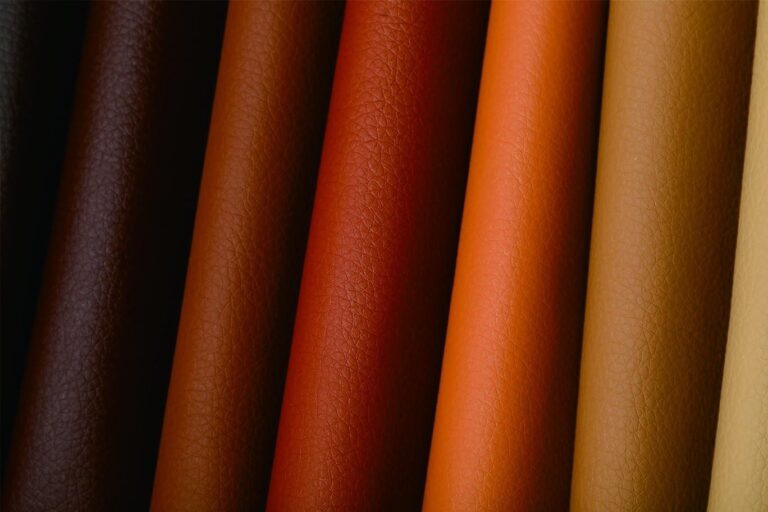
PU leather upholstery — the material that makes recliner leather replacement a recurring cost rather than a one-time investment.
About TOPSUN: Recliner Leather That Outlasts the Frame
TOPSUN supplies silicone leather for commercial recliner replacement projects — where 200,000+ Martindale abrasion cycles, crease recovery at flex points, and alcohol-disinfection compatibility extend recliner service life beyond 10 years without the maintenance burden of genuine leather. Our material is specified by cinema chains, hotel groups, and corporate wellness facilities that have moved past the PU-to-genuine binary and need a third option that balances upfront cost with lifecycle value.
With 100+ textures including cowhide, pigskin, and sheepskin patterns, Pantone and RAL color matching (Delta E ≤ 1.0), and thicknesses from 0.8mm to 2.0mm for upholstery applications, we ship free A4 swatches worldwide via DHL/FedEx with full material data sheets. MOQ starts at 500 meters with 7-15 day lead times from our Dongguan manufacturing facility.
Recliner Leather Replacement FAQ
How often should commercial recliner leather be replaced?
PU leather recliners in commercial settings typically need replacement every 3-5 years due to hydrolysis, flex-point cracking, and coating delamination. Genuine leather recliners last 15-20 years but require professional conditioning every 6-12 months at $15-25 per unit annually. Silicone leather recliners last 10+ years with zero conditioning, making the replacement cycle approximately every 10-12 years. The key metric is cost per year of service: PU at $250/unit replaced every 4 years = $62.50/year; genuine at $900/unit + $200 conditioning over 15 years = $73.33/year; silicone at $300/unit over 10 years = $30/year. For commercial asset planning, specify material by cost-per-year, not by initial price per yard.
What’s the best leather replacement material for high-traffic recliners?
For high-traffic commercial recliners (cinemas, hotel lounges, healthcare waiting rooms), silicone leather is the best replacement material. It combines the flex resistance that recliners demand (50,000-100,000+ flex cycles vs. PU’s poor crease recovery), the abrasion resistance that high-traffic environments require (200,000+ Martindale cycles vs. PU’s 20,000-30,000), and the chemical resistance that post-pandemic cleaning protocols need (alcohol disinfectant compatibility without surface degradation). Genuine leather offers comparable durability but requires ongoing maintenance and is vulnerable to staining from spills and body oils. Specify silicone leather at 0.8-1.2mm thickness for recliner upholstery — thinner grades sacrifice abrasion resistance, thicker grades add unnecessary cost without proportional durability gains.
Stop Replacing Recliner Leather Every 3 Years
If your recliner leather replacement cycle is driven by PU failure rather than frame failure, you’re replacing material that should have lasted a decade. Request TOPSUN silicone leather samples for your next reupholstery project and calculate the 10-year cost difference.
Contact: info@topsunsiliconeleather.com | WhatsApp: +44 744 461 7933 | Free A4 swatches shipped worldwide via DHL/FedEx