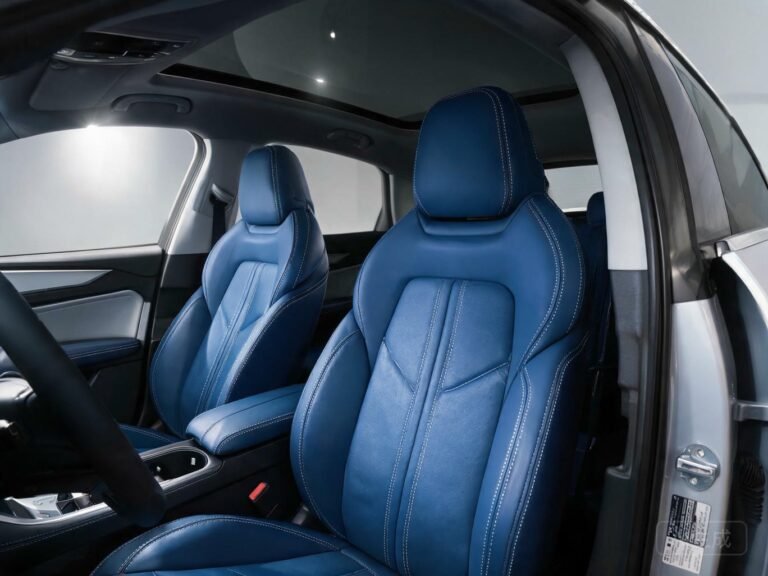
In our abrasion lab, we’ve watched hundreds of leather patches cycle through Martindale testing. The ones that crack at 50,000 cycles all share the same problem—nobody verified the specs before sourcing. A patch of leather might look flawless on day one, but without tested material data behind it, you’re shipping a warranty claim with every unit.
Here’s the thing: most procurement teams evaluate leather patches by appearance and unit price. That approach ignores the seven material properties that determine whether the patch stays attached, retains its color, and resists cracking over the product’s entire service life. Let’s break down exactly what to specify—and why it matters.
What Defines a Quality Patch of Leather in B2B Manufacturing
A patch of leather is a functional brand component on hats, garments, bags, and accessories—not just decoration. It must survive machine washing, UV exposure, abrasion from daily wear, and repeated chemical cleaning. In B2B garment manufacturing, the leather patch material you choose directly impacts return rates, brand perception, and compliance with chemical regulations like REACH.
The procurement teams that avoid patch failures don’t evaluate by appearance—they specify, test, and verify. That means demanding data on peel strength, abrasion cycles, thickness tolerance, color fastness, and VOC emissions before approving a supplier. Each of these is measurable against international standards like ISO 3376 for tensile strength—but only if your supplier actually runs the tests.

Leather swatch rack showing color and texture options for patch material evaluation
7 Material Specs That Predict Patch of Leather Performance
Most sourcing guides list material types without specifying the numbers. Based on our testing data and international standards, here are the seven specifications that separate a durable patch of leather from a costly return:
- Peel Strength (≥1.5 N/cm) — Adhesion between coating and base fabric. Below this threshold, the surface delaminates within 6–12 months of normal wear.
- Martindale Abrasion (≥100,000 cycles) — Simulates daily contact wear. Genuine leather typically reaches 50,000–80,000 cycles; silicone leather exceeds 200,000.
- Thickness Tolerance (±0.1mm) — Inconsistent thickness causes uneven debossing depth and laser-etching quality. Batch consistency is non-negotiable for B2B orders.
- Color Fastness to Light (Grade 4–5, ISO 105-B06) — UV exposure fades patches on outdoor apparel and hats within months without this rating.
- VOC Emission (<50 mg/L) — REACH and indoor air quality regulations cap volatile organic compounds. Skin-contact patches need near-zero emissions.
- Flex Resistance (≥50,000 cycles, ISO 5402) — Patches on garments that bend and stretch must resist cracking at fold points.
- Hydrolysis Resistance — PU patches degrade when exposed to moisture over time. Silicone leather is inherently hydrolysis-proof—no chemical stabilizers needed.
| Spec | Genuine Leather | PU Leather | Silicone Leather |
|---|---|---|---|
| Peel Strength | N/A (solid hide) | 1.0–1.8 N/cm | ≥2.0 N/cm |
| Martindale Cycles | 50,000–80,000 | 30,000–60,000 | 200,000+ |
| VOC Emission | Low (tanning residues) | Moderate (solvent-based) | Zero |
| Service Life | 3–5 years | 2–3 years | 10+ years |

Martindale abrasion tester used to verify patch of leather wear resistance
Why PU and Genuine Leather Patches Fail Differently
Genuine leather patches fail through water damage, stiffness after washing, and inconsistent thickness across batches. The natural grain that looks premium on day one becomes a liability when patches absorb moisture, warp, and crack at stress points. One of our apparel clients reported a 12% return rate on hats with genuine leather patches after just one summer season of outdoor wear.
PU leather patches fail differently. The polyurethane coating delaminates from the fabric base, especially under repeated flexing or UV exposure. Within 2–3 years, the surface peels, cracks, or develops a chalky residue. This is hydrolysis—the same process that destroys PU upholstery, just on a smaller scale.
In our material comparison testing, PU patches lost 40% of their surface adhesion after just 500 hours of UV exposure. Genuine leather patches that went through 10 wash cycles showed measurable stiffening and grain distortion.
Both failure modes share a root cause: the material properties weren’t matched to the end-use environment. These failures mirror the broader pattern of leather upholstery patch repair costs that pile up when material specs go unchecked before bulk ordering.

Custom leather texture samples evaluated for patch branding applications
Silicone Leather Patches: The Zero-Failure Alternative
Silicone leather solves the failure modes of both genuine and PU patches. The silicone coating bonds at a molecular level to the base fabric—no delamination, no peeling. It’s inherently UV-stable (1,000+ hours with no fading per ASTM G154), hydrolysis-proof, and flexible from -40°C to 250°C. For eco-conscious brands, it’s also PVC-free, phthalate-free, and fully recyclable.
For B2B patch applications, this translates to measurable advantages:
- Consistent thickness (±0.05mm) for uniform laser-etching and debossing depth
- Wash resistance without stiffening or cracking—survives 50+ commercial wash cycles
- Zero VOC emissions for skin-contact compliance (ISO 10993 biocompatibility certified)
- 200,000+ Martindale cycles—4× the typical PU threshold
- Custom embossing rollers available in 7–10 days for rapid prototyping
We’ve seen clients switch from PU to silicone leather patches and reduce patch-related returns to near zero within the first production run. The patch leather sourcing guide covers the full procurement process in detail.
Watch how silicone leather patches survive scratch resistance testing that destroys PU patches
Frequently Asked Questions
What’s the minimum thickness for a durable patch of leather?
For B2B patch applications, 0.6–1.0mm is the functional range. Below 0.6mm, the patch lacks structural rigidity for clean debossing. Above 1.0mm, it becomes too stiff for curved surfaces on hats and garments. Silicone leather at 0.8mm hits the sweet spot—flexible enough for curved applications, rigid enough for crisp embossing.
Can silicone leather patches be laser-engraved like genuine leather?
Yes. Silicone leather accepts laser engraving, debossing, and UV printing with sharper edge definition than genuine leather. The consistent thickness ensures uniform engraving depth across batches—something natural leather cannot guarantee due to hide thickness variation.
Specify Before You Source
A patch of leather is only as durable as the specs behind it. If your supplier can’t provide test data for peel strength, Martindale cycles, and VOC limits, you’re buying blind. The brands that eliminate patch failures aren’t lucky—they specify, test, and verify before committing to bulk orders. For guidance on keeping patches looking new over their service life, check our cleaning and maintenance guide.
Talk to Our Material Engineers
About TOPSUN
TOPSUN manufactures silicone-coated patch of leather material for apparel branding, hat patches, garment trim, and accessory labeling applications. Our silicone leather patches deliver consistent thickness, laser-etchable surfaces, and zero VOC emissions for brands that refuse to compromise on compliance.
ISO 10993 biocompatibility certified · 200,000+ Martindale abrasion cycles · FDA 21 CFR 177.2600 food-contact compliant · Custom embossing in 7–10 days · Free A4 swatches shipped worldwide via DHL/FedEx