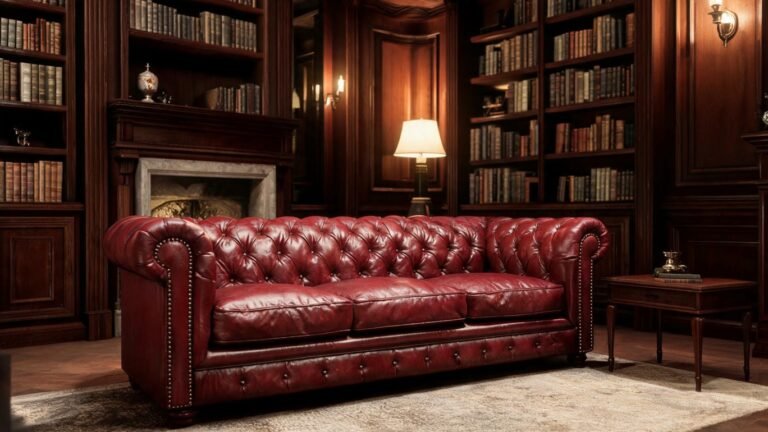
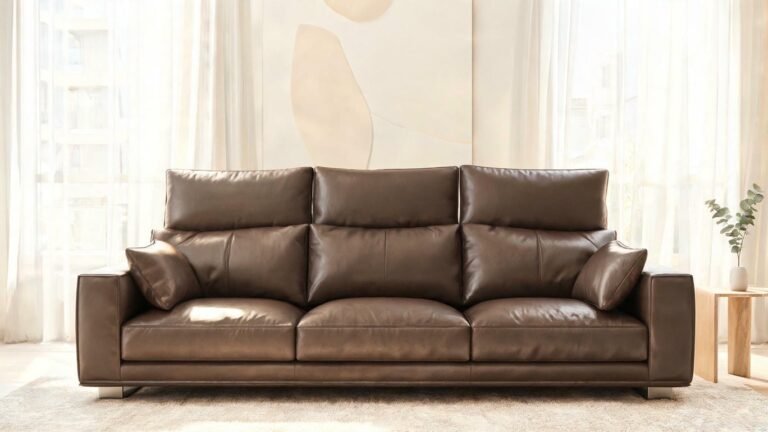
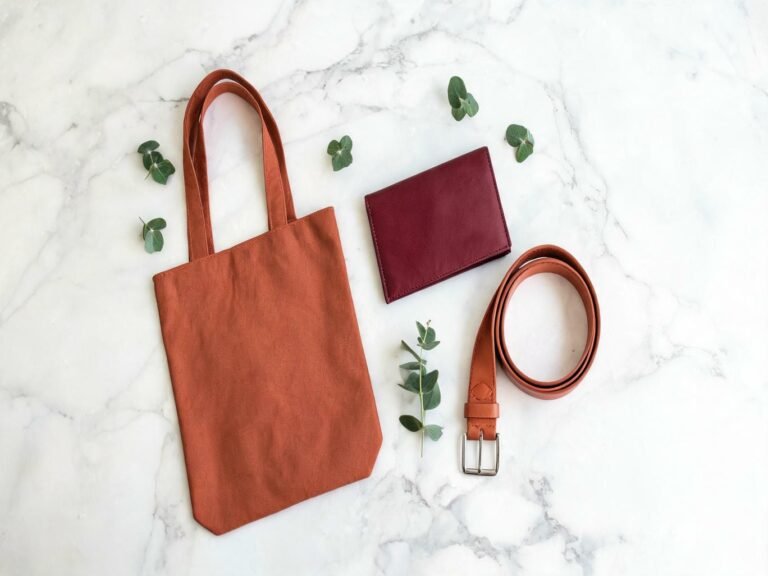
If you’re a B2B buyer sourcing vegan leather for furniture, automotive interiors, fashion accessories, or consumer electronics, you’ve probably noticed the same problem: there are dozens of vegan leather brands making bold claims, but very few can actually deliver commercial quantities with consistent quality, reliable lead times, and verifiable performance data.
The vegan leather market has exploded in recent years, fueled by consumer demand for animal-free and sustainable products. But the landscape is messy. Some brands are venture-backed startups making plant-based leather in pilot quantities. Others are massive chemical companies producing PU by the millions of meters. Some specialize in mushroom mycelium. Others work with silicone. Each category has very different performance characteristics, price points, and availability.
This guide sorts through the noise, categorizing vegan leather brands by material type and readiness level, and giving B2B procurement teams a clear framework for evaluating and selecting the right vegan leather supplier for your specific application and volume requirements.
Get Supplier Evaluation Template
The 6 Categories of Vegan Leather Brands (and Who’s Who in Each)
Not all vegan leather is the same, and not all vegan leather brands serve the same markets. Understanding the categories is the first step in finding the right supplier for your project.
1. PU Leather (Polyurethane) — Mass-Market Workhorse. This is the most common vegan leather by volume — by a wide margin. PU leather brands produce polyurethane-coated fabric in enormous quantities, primarily for furniture, automotive, fashion, and accessories. The advantage: proven supply chains, consistent quality at scale, reasonable cost ($5–$20/m²), and widely available in hundreds of colors and textures. The disadvantage: petroleum-based plastic, 2–5 year lifespan, VOC concerns, and increasingly sophisticated buyers are asking “is it actually sustainable?”
Major players in this category include BASF (Haptex), Kuraray (Clarino), and hundreds of Chinese manufacturers supplying both domestic and export markets. For B2B buyers needing large volumes at competitive prices with established quality systems, PU is still the default choice — but be prepared for questions from your marketing and sustainability teams about whether “PU vegan” is truly aligned with your brand positioning.

Vegan leather production — PU and silicone leather brands produce material at commercial scale for B2B buyers
2. Plant-Based Leather Brands — Sustainability Storytellers. These are the brands generating the most media buzz: pineapple leather (Piñatex), cactus leather (Desserto), apple leather (Frumat), cork leather, and grape leather. The sustainability narrative is compelling — using agricultural waste to make leather substitutes without additional land or water. The reality for B2B buyers: most plant-based leathers are still relatively small-scale, have batch-to-batch consistency challenges due to agricultural input variability, and their performance (abrasion resistance, water resistance, service life) lags behind PU and silicone.
That said, the category is improving rapidly. Desserto, for example, now produces cactus leather with 50–70% bio-based content at commercial volumes. Piñatex has been used in limited-edition collections by major fashion brands. For marketing-focused projects, limited editions, and products where the sustainability story is part of the value proposition, plant-based leathers can be a great choice. For high-volume, high-durability applications, they’re not quite there yet.
3. Mycelium / Mushroom Leather — Emerging Innovation. Mycelium leather — grown from fungal mycelium on agricultural waste — is the most technically interesting category of vegan leather. Companies like Bolt Threads (Mylo) and Mycelium Materials produce genuinely biomimetic materials with impressive texture and feel. The challenge: scale. Mycelium leather production is still ramping up, lead times are long, and pricing is premium. It’s currently best suited for luxury fashion and small-batch accessories rather than high-volume commercial applications. Several brands have faced scaling challenges in recent years, so due diligence on production capacity is essential.
4. Silicone Leather — Performance-Focused Vegan. Silicone leather brands like TOPSUN and Sileather occupy a unique niche in the vegan leather market. The material is 100% animal-free, made from silica (sand) rather than petroleum, and delivers performance characteristics that other vegan leathers can’t match — 200,000+ Martindale abrasion cycles, 1,000+ hours UV resistance, zero VOC, and 10+ year service life. It’s increasingly the vegan leather of choice for applications where durability matters: high-traffic furniture, automotive interiors, healthcare, outdoor, and marine. The tradeoff: it’s synthetic (not “natural”), which may or may not matter for your brand positioning.
5. Recycled / Upcycled Leather — Circular Economy. Not technically vegan (they contain leather fibers from animal hide scraps), but often included in the “sustainable leather alternatives” conversation. Brands like Ultrafabrics and various bonded leather manufacturers use recycled leather fibers combined with synthetic binders. GRS (Global Recycled Standard) certification is important here to verify recycled content claims.
6. Cork and Natural Fiber Leathers — Niche Eco. Cork leather (from cork oak bark), coconut leather, and other natural fiber-based leathers are the smallest category by volume. They have strong eco credentials — cork is harvested without cutting down trees, coconut leather uses coconut water waste — but limited durability and water resistance restrict them to accessories, wall coverings, and decorative applications.
Procurement reality check: If you need 5,000+ meters per month with consistent quality, reliable lead times, and verifiable performance data, your practical choices are PU leather and silicone leather. Plant-based and mycelium brands are improving rapidly, but most aren’t yet at the scale and consistency level that B2B industrial buyers require for production programs.
How to Evaluate Vegan Leather Suppliers: The B2B Framework
Choosing a vegan leather supplier is more complex than picking the one with the best marketing. You need to verify performance, capacity, certifications, and financial stability. Here’s the framework we recommend for B2B procurement teams:
| Evaluation Area | What to Verify | Red Flags |
|---|---|---|
| Production Capacity | Monthly output, number of production lines, ability to scale up. Ask: “What’s your maximum monthly capacity for this specific product?” | Can’t give a specific number; “we can scale” without evidence; sole reliance on one factory. |
| Quality Systems | ISO 9001 certification, batch-to-batch consistency data (Delta E for color), defect rates, inspection procedures. | No third-party quality certification; “we guarantee quality” without data; high defect rates in samples. |
| Performance Testing | Abrasion (Martindale), light fastness (ISO 105-B02), hydrolysis resistance, tear strength, flammability — all with accredited lab reports. | Only self-test data; no test standard referenced; vague claims like “high durability.” |
| Certifications | REACH compliance, RoHS, ISO 14001 (environmental), GRS (if claiming recycled content), OEKO-TEX, industry-specific (IATF 16949 for auto). | Certificates are expired; only Chinese domestic certifications for export markets; can’t provide the actual certificate files. |
| Customization Capability | Custom color matching (Pantone/RAL), custom textures, custom thickness, custom backing options. MOQ for custom orders. | “We can do anything” without examples; very high MOQ for custom colors; long sampling lead times. |
| Supply Chain Resilience | Raw material sourcing diversity, backup suppliers, geographic diversification, inventory levels of standard products. | Single source for key raw materials; no safety stock; frequent lead time changes. |

Factory quality control — verifying vegan leather supplier quality systems and production capabilities is essential for B2B procurement
Matching Vegan Leather Brands to Your Application
The best vegan leather brand for your project depends entirely on what you’re making, what volume you need, and what performance requirements you have. There’s no universal “best” — there’s the best fit for your specific use case.
Here’s how we typically match material categories to applications:

Commercial office furniture — high-traffic applications need vegan leather that can handle abrasion, cleaning chemicals, and years of use
- Furniture & Upholstery (High-Traffic Commercial): Silicone leather is the top choice for restaurants, hotels, offices, and healthcare facilities. It delivers the durability, cleanability, and 10+ year service life that commercial furniture requires, with the vegan positioning that modern buyers expect. PU leather is a budget alternative but expect 3–5 year replacement cycles.
- Automotive Interiors: Automotive-grade PU leather dominates the mid-tier market, but silicone leather is gaining traction in EV programs for its zero VOC emissions, superior heat resistance, and vegan positioning. Plant-based leather is currently too limited in durability and scale for most automotive programs.
- Fashion Accessories (Bags, Wallets, Belts): PU leather is the volume leader for fashion accessories — low cost, wide color selection, good enough quality for 2–3 year product lifespans. Plant-based leather is increasingly popular for premium and sustainable-focused fashion brands, especially for limited-edition collections.
- 3C Electronics (Phone Cases, Laptop Sleeves): PU leather is standard for most consumer electronics accessories. Silicone leather is a premium upgrade — better touch feel, more durable, and compatible with wireless charging. Some tech brands are also experimenting with plant-based leathers for eco-marketing positioning.
- Outdoor & Marine: Silicone leather is the clear winner for outdoor furniture, boat interiors, and marine applications — 1,000+ hours UV resistance, salt spray resistance, and complete waterproofing outperform PU and plant-based options by a wide margin.
Long-term cost savings analysis — how silicone leather’s durability compares to other vegan leather materials over the product lifecycle
The Sourcing Process: From Samples to Production
If you’re new to sourcing vegan leather for B2B, here’s a recommended process to minimize risk and ensure you end up with the right supplier:

Vegan leather swatch samples — start with A4 samples from multiple suppliers to compare quality, color, and texture before committing
- Step 1: Define your requirements. Before contacting any supplier, write down your performance specs (abrasion resistance, light fastness, temperature range, flammability standard), volume requirements, target price, and customization needs. This prevents you from being swayed by marketing and keeps the evaluation objective.
- Step 2: Shortlist 3–5 suppliers. Start with 8–10 candidates from trade shows, online directories, referrals, and industry publications. Screen for basic criteria (certifications, product range, minimum order quantity) and narrow to 3–5 for detailed evaluation.
- Step 3: Request samples and test data. Get A4 samples from each shortlisted supplier along with their standard test report package. Compare hand feel, color accuracy, thickness, and backing quality. Verify that test data comes from accredited third-party labs, not just in-house testing.
- Step 4: Run your own tests. Don’t just trust the supplier’s data — run your own key tests or send samples to an independent lab for verification. At minimum, test abrasion resistance, color fastness to light, and the specific failure modes most relevant to your application.
- Step 5: Audit the factory (or get detailed audit reports). For high-volume programs, a factory audit is essential. Verify production capacity, quality control procedures, raw material sourcing, environmental management, and labor practices. If you can’t visit in person, request recent third-party audit reports (SMETA, BSCI, ISO 9001, ISO 14001).
- Step 6: Pilot run before full production. Never jump straight to mass production with a new supplier. Start with a pilot order of 100–500 meters to test quality consistency, lead time accuracy, packaging, and communication. If the pilot goes well, you can confidently scale up.
Frequently Asked Questions
Which vegan leather material is the most sustainable?
It depends on how you measure sustainability. If you care most about using renewable inputs and avoiding fossil fuels, plant-based leathers (cactus, pineapple, mushroom) have the strongest story. If you measure sustainability by total lifecycle impact — including how long the product lasts and how much waste it generates — silicone leather’s 10+ year service life and recyclability often come out ahead because fewer replacements mean less total material consumption. The most complete answer requires a full lifecycle analysis (LCA) for your specific application and volume. For most B2B buyers, we recommend balancing material composition with service life — a material that lasts 3x longer uses less material per year of use, even if it’s not plant-based.
How do I verify that a supplier’s “vegan” claim is genuine?
Vegan claims are self-reported in most cases — there’s no universal “vegan certified” standard for leather materials. To verify, ask for: (1) a material composition declaration showing no animal-derived ingredients, (2) ISO 17226-3 test results confirming the absence of collagen (animal hide protein), and (3) a supplier declaration that no animal testing is conducted on the finished product. For materials marketed as plant-based or bio-based, also ask for bio-based content certification (like USDA BioPreferred or DIN CERTCO) to verify the actual percentage of bio-based content, since many “plant-based” materials are 30–70% PU binder.
The Vegan Leather Market Is Maturing — Choose Wisely
Five years ago, vegan leather was a niche category with limited options and questionable quality. Today, it’s a mainstream material category with multiple technology pathways, established suppliers, and performance levels that can match or exceed genuine leather in certain applications.
The key is matching the right vegan leather category and supplier to your specific needs. If you need high volume and low cost, PU leather brands are still the practical choice. If you need maximum durability and performance, silicone leather delivers. If sustainability storytelling is your top priority and you can work with smaller volumes and higher prices, plant-based and mycelium leathers are worth exploring.
Whatever direction you go, do your due diligence. Verify performance data with independent testing. Audit the supplier’s quality systems and production capacity. Run a pilot before committing to full production. The vegan leather market has come a long way, but there are still suppliers making claims they can’t back up. A rigorous sourcing process will ensure you find a partner that delivers — not just marketing, but actual material you can build a product line on.
About TOPSUN
TOPSUN is a performance-focused vegan leather brand specializing in silicone leather for B2B applications — engineered for durability, safety, and consistency at commercial scale across furniture, automotive, healthcare, and consumer electronics industries.
100% vegan and cruelty-free, ISO 9001 & ISO 14001 certified, REACH & RoHS compliant, 200,000+ Martindale cycles, 500m MOQ, custom color matching in 7–15 days, OEM/ODM development support.