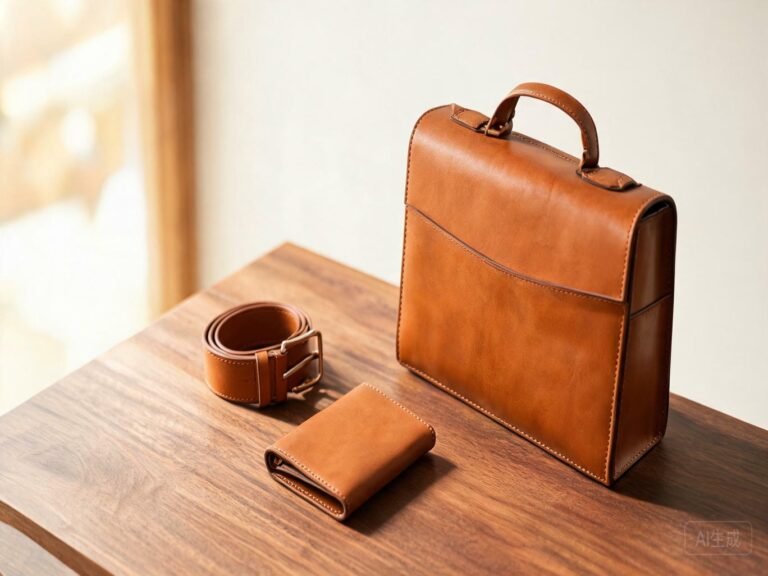
If you source leather for consumer products, automotive interiors, or furniture, chrome free tanning has probably landed on your radar in the last 18 months. What was once a niche sustainability claim is fast becoming a hard compliance requirement — and the timeline is tighter than many buyers realize.
Chrome tanning — using chromium III salts — has dominated the leather industry for over a century because it produces soft, supple, durable leather at low cost. But chromium III can oxidize to chromium VI (hexavalent chromium), a known carcinogen that’s increasingly restricted by regulators worldwide. In 2026, a convergence of new regulations, brand mandates, and enforcement actions is pushing tanneries to go chrome-free faster than at any point in history.
This article breaks down the four biggest regulatory forces driving chrome-free tanning adoption, compares the major alternative tanning methods, and explains what B2B buyers should be verifying from their supply chain right now.
Explore Eco-Friendly Materials
The 4 Regulatory Forces Pushing Chrome Out of Leather
Chrome tanning isn’t being phased out by a single regulation — it’s being squeezed from four directions at once. Understanding which ones apply to your products and markets is critical for compliance planning.
1. EU REACH Annex XVII — Cr(VI) in skin-contact products. Under Entry 47 of Annex XVII of REACH, leather articles that come into contact with skin must not contain hexavalent chromium at concentrations equal to or greater than 3 mg/kg (0.0003% by dry weight). This applies to all leather products sold in the EU, from footwear and gloves to automotive interior trim and furniture upholstery. The challenge: even leather tanned with chromium III can develop Cr(VI) over time through oxidation, especially under heat, light, and low humidity conditions.
2. ZDHC MRSL v3.0 — restricted substance lists. The Zero Discharge of Hazardous Chemicals (ZDHC) Manufacturing Restricted Substances List includes chromium VI and increasingly tight controls on chromium-based tanning chemistries. Major fashion brands, footwear companies, and textile retailers require their supply chains to comply with ZDHC MRSL, which effectively pushes tanneries toward chrome-free alternatives to avoid the compliance burden of chromium management.

Leather testing laboratory — verifying chemical compliance and performance properties for chrome-free materials
3. US CEH settlements — hexavalent chromium elimination deadlines. Settlements brokered by the US Center for Environmental Health pushed major leather goods companies to eliminate hexavalent chromium from skin-contact products by the end of 2025. While the settlements are US-based, the supply chain ripple effect is global — tanneries that supply American brands are reformulating their tanning processes, and those changes benefit all their customers.
4. EU BAT conclusions for tanneries — wastewater limits. The EU’s Best Available Techniques (BAT) conclusions for the leather industry set strict limits on chromium in tannery wastewater (total chromium < 0.3–1 mg/L). Compliance requires significant wastewater treatment investment for chrome tanneries, making chrome-free tanning increasingly attractive from a cost perspective, not just a regulatory one.
Market signal: The tanning agents market is undergoing structural transition from chromium-heavy chemistries toward zeolite-based, aldehyde-based, vegetable, and bio-synthetic alternatives. Anticipated EU REACH revisions in 2026 are expected to accelerate this shift further. Tanning agents market analysis projects sustained growth in chrome-free segments through 2034.
Chrome-Free Tanning Methods: How They Compare
“Chrome-free” isn’t a single technology — it’s a category that includes several different tanning chemistries, each with different performance characteristics, costs, and environmental profiles. Here’s what procurement teams need to know about the main options:
| Tanning Method | Tanning Agent | Shrink Temp | Pros | Cons |
|---|---|---|---|---|
| Vegetable Tanning | Tree bark extracts (mimosa, quebracho, chestnut) | ~70–80°C | Natural origin, develops patina, fully biodegradable | Long process (weeks), less soft, darker base color, poor light fastness |
| Zeolite / White Tanning | Natural microporous minerals (zeolites) | ~75–85°C | Naturally white base (excellent for bright colors), metal-free, light fast | Newer technology, limited tannery adoption, higher cost |
| Aldehyde / Synthetic Tanning | Glutaraldehyde, oxazolidine, or synthetic polymers | ~80–90°C | Soft leather, similar feel to chrome-tanned, fast process | Formaldehyde concerns with some types, still chemical-heavy |
| Silicone Leather (Alternative Material) | Silicone polymer coating on fabric base | 250°C+ | 100% chrome-free, zero VOC, recyclable, consistent quality, stain-resistant | Synthetic material, not animal hide |

Chrome-free leather and silicone leather samples — consistent color matching and batch-to-batch quality
Not all chrome-free tanning methods deliver the performance that OEM and commercial buyers expect. Vegetable-tanned leather, for example, is beautiful and natural but has poor light fastness and can take weeks to produce — making it unsuitable for high-volume automotive or furniture programs. Zeolite-based white tanning is promising for color-critical applications, but the technology is still rolling out and not all tanneries have adopted it yet.
The Performance Gap: Does Chrome-Free Leather Last as Long?
This is the question that keeps procurement managers up at night: if we switch to chrome-free tanning, will the leather still meet our durability specs? The short answer: it depends on which chrome-free method you choose and which performance parameters matter most for your application.
Here’s where chrome-free genuine leather typically struggles compared to chrome-tanned leather:
- Shrink temperature. Chrome-tanned leather typically has a shrink temperature of 100°C+ (hydrothermal stability). Many chrome-free alternatives come in at 70–85°C, which can be a problem for applications involving heat — like car interiors that bake in the sun.
- Softness and feel. Chrome tanning produces exceptionally soft, pliable leather. Some chrome-free methods (especially vegetable tanning) produce firmer, stiffer leather that may not meet the hand-feel specs for premium furniture or fashion applications.
- Light fastness. Vegetable-tanned leather darkens and ages with UV exposure — this patina is a feature for some products (belts, bags) but a bug for others (upholstery, automotive interiors where color consistency matters over years of use).
- Process consistency. Chrome tanning is a mature, highly optimized process with predictable results. Newer chrome-free methods may have more batch-to-batch variation, especially as tanneries are still learning the new chemistries.

Eco-friendly furniture upholstery — chrome-free materials are increasingly specified for sustainable furniture programs
See how silicone leather achieves eco-certifications without chrome, heavy metals, or harmful chemicals
What B2B Buyers Should Verify in Their Supply Chain
If chrome-free tanning is on your procurement roadmap, don’t just take your supplier’s word for it. Here’s what to verify with documentation and testing:

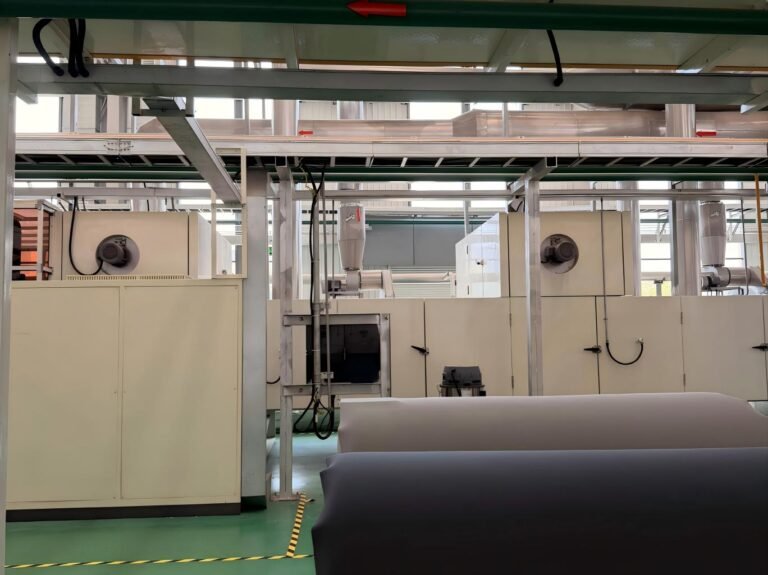
Factory quality control — verifying chrome-free claims requires testing at multiple points in the supply chain
- Cr(VI) test results, not just Cr(III) absence. A supplier can say “chrome-tanned but Cr(VI)-free” — but Cr(III) can oxidize to Cr(VI) during the product’s lifecycle. True chrome-free leather has zero chromium in, so no Cr(VI) can ever form. Ask for test results using EN ISO 17075 method with detection limit ≤ 3 ppm.
- ZDHC MRSL compliance status. Is the tannery ZDHC Gateway registered? What’s their conformance level? Level 3 (full MRSL conformance) is the gold standard. Level 1 or 2 means they’re working toward it but haven’t fully verified all chemistries yet.
- Performance data for your specific application. Don’t assume chrome-free leather meets your durability specs. Get Martindale abrasion data, flex resistance numbers, light fastness ratings, and shrink temperature results — all tested according to ISO standards relevant to your product.
- Traceability and supply chain transparency. Can your supplier trace hides back to the source? Do they have Leather Working Group (LWG) certification? Traceability matters for both compliance verification and sustainability claims.
- Consider alternative materials. For many commercial and industrial applications, silicone leather provides a 100% chrome-free material option with more consistent quality, better chemical resistance, and longer service life than genuine leather — at competitive total cost of ownership. It’s worth evaluating alongside chrome-free genuine leather options.
Frequently Asked Questions
Is chrome-free leather more expensive?
Chrome-free tanning typically costs 10–30% more at the material level compared to conventional chrome tanning, due to newer chemistry, longer processing times for some methods, and lower production volumes. However, the cost gap is narrowing as adoption scales up. And when you factor in reduced regulatory risk, lower compliance testing costs, and stronger brand sustainability positioning, many buyers find the total value proposition favorable.
Can chrome-tanned leather ever be truly Cr(VI)-free?
Chrome-tanned leather can test below the 3 mg/kg Cr(VI) limit when new, but there’s always a risk that chromium III can oxidize to chromium VI over the product’s lifetime — especially with exposure to heat, UV light, and low humidity. That’s why many brands are moving toward truly chrome-free tanning rather than just “Cr(VI)-free chrome tanning.” Only leather that contains no chromium at all can guarantee no Cr(VI) formation.
The Chrome Transition Is Happening — Are You Ready?
Chrome-free tanning is no longer a fringe sustainability trend — it’s becoming table stakes for selling leather products into regulated markets. Between EU REACH enforcement, ZDHC brand requirements, US legal settlements, and tightening wastewater discharge rules, the pressure on chrome tanning is only going to increase.
The question isn’t whether to transition — it’s how fast and to what. For buyers in automotive, furniture, hospitality, and consumer products, the smart move is to start evaluating chrome-free options now, whether that’s vegetable-tanned leather, zeolite-tanned leather, or fully synthetic alternatives like silicone leather. The companies that get ahead of this transition will have the advantage of verified supply chains when their competitors are scrambling to comply.
Talk to Our Material Specialists
About TOPSUN
TOPSUN manufactures 100% chrome-free silicone leather for automotive, furniture, healthcare, and consumer product applications — engineered to meet the strictest global chemical safety and environmental compliance standards.
REACH compliant, zero VOC emissions, ISO 10993 biocompatibility certified, FDA food contact compliant, recyclable, no heavy metals or chromium of any kind.