Vinyl and upholstery have been partners for over 70 years — ever since PVC (polyvinyl chloride) leather emerged as a cheap, durable alternative to genuine leather in the 1950s. For commercial furniture, marine seating, restaurant booths, and healthcare applications, vinyl has been the go-to choice for buyers who need water resistance and wipe-clean convenience at a budget price.
But the upholstery materials landscape has shifted dramatically in the past decade. New regulations on phthalates and VOCs, growing ESG requirements, and the rise of better-performing alternatives like silicone leather have many procurement teams re-evaluating whether vinyl still makes sense. As a materials engineer who has specified upholstery for everything from fast-food restaurant chains to hospital waiting rooms, I’ll give you an honest assessment of where vinyl stands in 2026 — where it still works, where it’s falling behind, and what the best alternatives are.
Request Vinyl Alternative Samples
What Is Vinyl Upholstery, Exactly?
Vinyl upholstery — also called PVC leather, faux leather vinyl, or vinyl fabric — is a synthetic material made by coating a base fabric (usually polyester or cotton/polyester blend) with a layer of polyvinyl chloride (PVC). The PVC layer is typically 40–60% PVC resin mixed with 30–45% plasticizers (to make it flexible), plus pigments, stabilizers, and various additives.
The result is a non-porous, water-resistant material that comes in hundreds of colors and textures, at price points ranging from $2–$15 per yard. Vinyl’s defining characteristics — low cost, water resistance, and easy cleaning — are why it has dominated commercial upholstery for decades. But those advantages come with trade-offs that are becoming harder to ignore as regulations tighten and buyer expectations rise.

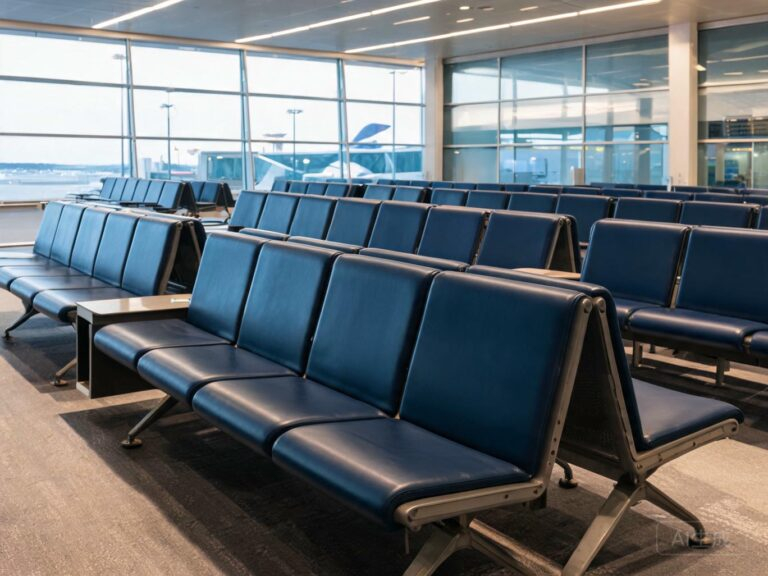
Vinyl upholstery is produced in wide rolls with embossed textures — a familiar sight in commercial furniture supply chains for decades.
The Pros of Vinyl Upholstery (Why It’s Still Used)
Let’s start with what vinyl does well. It wouldn’t still be 30%+ of the commercial upholstery market if it didn’t serve a purpose:
Low upfront cost
At $2–$8 per yard, vinyl is the cheapest upholstery leather alternative on the market. For budget-constrained projects — think fast-food restaurant booths, school furniture, budget hotel rooms — the upfront cost savings are hard to beat. If you’re outfitting 200 booths and material cost is your primary constraint, vinyl can save you tens of thousands of dollars compared to PU or silicone alternatives.
Water and moisture resistance
Vinyl is completely non-porous — water, spills, and humidity can’t penetrate the surface. This makes it the traditional choice for marine upholstery (boat seats), poolside furniture, bathroom vanities, and any application where moisture exposure is a given. Quality marine-grade vinyl also includes mildew inhibitors to prevent mold growth in damp environments.
Easy to clean
Most spills on vinyl wipe away with a damp cloth. Stains that would set into genuine leather or fabric sit on the vinyl surface and clean up easily. For high-traffic commercial environments where spills are frequent and cleaning staff turnover is high, this simplicity is a real advantage.
Wide availability and color options
Vinyl is manufactured globally at massive scale. You can find it in virtually any color, texture, or embossed pattern, and lead times for standard colors are typically 1–2 weeks. For buyers who need material fast and don’t have time for custom development, vinyl’s availability is a major plus.
The Cons of Vinyl Upholstery (The Real Problems)
Now for the drawbacks — many of which are getting worse as regulations tighten and performance expectations rise:
Plasticizer migration and health concerns
The biggest issue with vinyl upholstery is the plasticizers. PVC is naturally hard and brittle — it needs plasticizers (usually 30–45% by weight) to make it flexible. The problem: these plasticizers migrate out of the material over time, especially when exposed to heat. Phthalate plasticizers, historically the most common type, are classified as endocrine disruptors and have been restricted under EU REACH and various US state regulations. While newer non-phthalate plasticizers are available, they’re more expensive and can still migrate — just with different health profiles.
VOC emissions and indoor air quality
Vinyl upholstery off-gasses volatile organic compounds (VOCs) — that “new vinyl” smell many people recognize is actually chemical fumes from plasticizers and other additives evaporating into the air. In enclosed spaces (car interiors, hospital rooms, office buildings), these VOCs can accumulate and contribute to poor indoor air quality. This is becoming a significant issue as more projects pursue green building certifications (LEED, WELL) that require low-VOC materials.
Poor comfort in extreme temperatures
Vinyl doesn’t breathe. In hot weather, it gets sticky against skin and can feel uncomfortably warm — seat surface temperatures can exceed 50°C after 30 minutes in direct sun. In cold weather, it feels cold and stiff. For seating applications where people spend extended periods, this comfort deficit is a real quality issue — and a growing complaint in customer satisfaction surveys.
Environmental concerns
PVC is one of the most environmentally problematic plastics. Its production involves chlorine (which generates dioxins), its plasticizers are persistent environmental contaminants, and it’s difficult to recycle because the plasticizers and additives make waste PVC contaminated. When vinyl upholstery reaches end of life, it almost always goes to landfill, where it can persist for centuries. For companies with sustainability targets, vinyl is increasingly difficult to justify.
Limited durability at the budget end
While marine-grade and commercial-grade vinyl can last 5–10 years, budget vinyl ($2–$4/yd) typically starts cracking, fading, and peeling within 2–3 years, especially in sun-exposed applications. The plasticizer migration makes the material brittle over time, and the surface coating wears through on high-contact areas like seat edges and armrests. Cheap vinyl’s low upfront cost is often a false economy — you’ll be reupholstering in half the time.
Key insight: The vinyl upholstery market is bifurcating. Budget vinyl is being squeezed by rising regulation and performance expectations. Premium commercial-grade vinyl still has a place — but it’s increasingly competing with silicone leather, which matches or exceeds vinyl’s water resistance and cleanability while eliminating the plasticizer and VOC issues.

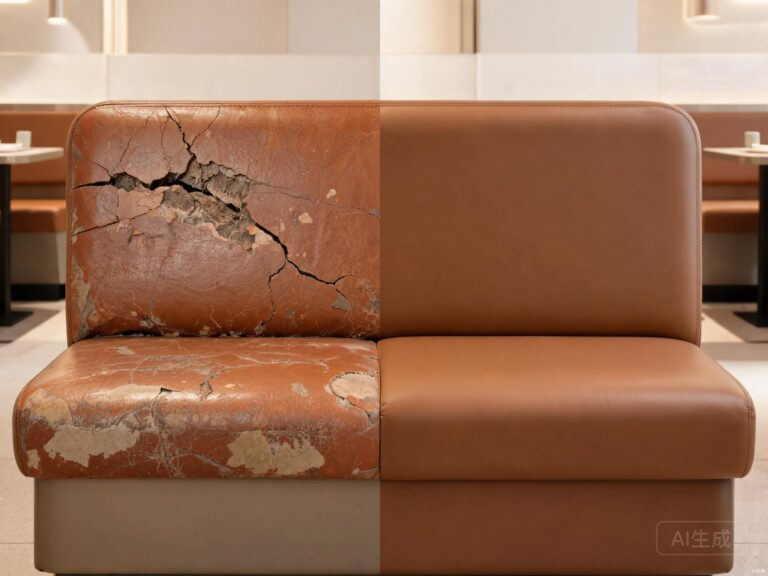
Both vinyl and silicone offer excellent water and stain resistance — but silicone delivers it without plasticizers, VOCs, or environmental concerns.
Vinyl vs PU vs Silicone: Upholstery Material Comparison
If you’re evaluating vinyl upholstery alternatives, the three main contenders at different price points are PU leather and silicone leather. Here’s how they compare across the criteria that matter most for commercial upholstery:
| Criterion | Vinyl (PVC) | PU Leather | Silicone Leather |
|---|---|---|---|
| Price / Yard | $2–$15 | $8–$30 | $25–$50 |
| Water Resistance | Excellent | Good | Excellent |
| Cleanability | Good | Moderate–Good | Excellent |
| VOC Emissions | High (plasticizers) | Low–Moderate | Zero |
| Plasticizers | 30–45% by weight | 25–35% | None |
| Durability (Years) | 3–8 | 3–10 | 10–15+ |
| Comfort / Feel | Plastic-y, sticky when hot | Leather-like (varies) | Supple, skin-friendly |
| Recyclability | Very difficult | Difficult | 100% recyclable |
| Temperature Range | −10°C to 60°C | −15°C to 70°C | −40°C to 200°C |
| Flame Resistance | Self-extinguishes (but drips) | Burns readily | Self-extinguishes, no drip |
Vinyl Upholstery by Application: Where It Still Works
Marine & Outdoor Seating
Marine-grade vinyl has long been the standard for boat seats and outdoor furniture, and for good reason — its complete water resistance and mildew inhibitors are well-suited to constant moisture exposure. However, marine-grade vinyl is also among the most expensive vinyl grades ($10–$15/yd), and at that price point, silicone leather becomes a compelling alternative. Silicone matches vinyl’s water resistance, offers better UV stability, and won’t get sticky in hot sun — a major comfort issue on boat seats. Learn more about marine and outdoor applications.
Budget Commercial Furniture
For low-budget commercial projects (fast-food chains, school cafeterias, budget retail) where upfront cost is the primary driver and lifespan expectations are 2–3 years, vinyl still makes economic sense. But be realistic about the trade-offs — you’ll be replacing upholstery more frequently, and you’ll miss out on the sustainability and indoor air quality benefits of better materials.
Transportation Interiors (Entry-Level)
Vinyl is still common in entry-level vehicle interiors, work vans, and public transit seating — applications where cost is king and materials take a lot of abuse. But even in transportation, the trend is toward PU and silicone alternatives as OEMs seek to improve interior air quality and meet VOC regulations (especially for EVs, where cabin air quality is a bigger selling point).
Where Vinyl Upholstery Is Being Replaced
Healthcare & Medical Furniture
Healthcare is one of the fastest-moving sectors away from vinyl. The combination of VOC concerns, plasticizer migration, and the need for disinfectant-compatible materials is driving a shift to silicone leather. Silicone can be cleaned with bleach, hydrogen peroxide, and hospital-grade disinfectants without degrading — a critical requirement for patient rooms and waiting areas. It’s also zero-VOC and biocompatible. Explore healthcare applications to learn more.
Premium Hospitality
Luxury hotels and high-end restaurants are moving away from vinyl because it simply doesn’t feel premium. The plastic-y texture and sticky-in-heat comfort issues clash with the guest experience these brands are trying to deliver. Silicone leather offers the same easy-clean benefits but with a supple, premium feel that matches luxury brand positioning.
Green Building Projects
Any project pursuing LEED, WELL, or other green building certifications is increasingly avoiding vinyl upholstery. The VOC emissions, chemical content, and end-of-life disposal issues all count against vinyl in sustainability scoring systems. Silicone leather’s zero-VOC profile and recyclability make it the natural upgrade path for these projects.

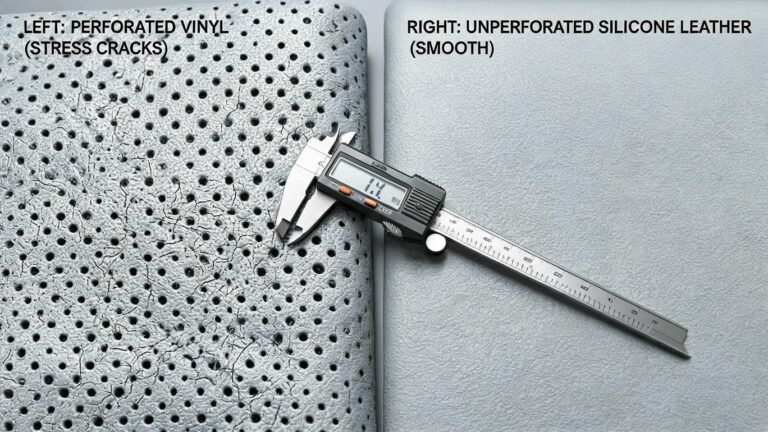
Like vinyl, silicone leather wipes clean with a damp cloth — but it handles bleach and hospital-grade disinfectants without degradation, making it ideal for healthcare and hospitality.
Is It Time to Upgrade from Vinyl?
If you’re currently using vinyl upholstery and wondering whether it’s worth upgrading, ask yourself these questions:
- Are you receiving complaints about comfort, odor, or a “cheap plastic” feel?
- Are your warranty claims and reupholstery costs higher than expected?
- Are your customers or clients asking for more sustainable material options?
- Do you need to meet VOC limits for green building or automotive certifications?
- Are you in a sector (healthcare, education, hospitality) where indoor air quality is critical?
- Are you calculating total cost of ownership, or just upfront material cost?
If you answered “yes” to even two or three of these, it’s probably time to evaluate alternatives. The good news: you don’t have to jump straight to the top of the market. For many buyers, a step up from budget vinyl to water-based PU or mid-tier silicone delivers most of the benefits at a manageable cost increase. And for applications where vinyl’s water resistance is the main reason you’re using it, silicone leather provides that same performance — without the plasticizers, VOCs, and environmental baggage.
Quick ROI check: If you’re paying $4/yd for budget vinyl that lasts 3 years, your annualized cost is $1.33/yd/year. Silicone leather at $30/yd that lasts 12 years is $2.50/yd/year — about double. But if you factor in replacement labor (which is usually 2–3x material cost), warranty claims, and customer satisfaction, the gap narrows quickly — and for commercial applications, silicone often comes out ahead on TCO.
Final Verdict
Vinyl upholstery isn’t going away tomorrow — it’s still the cheapest option for water-resistant upholstery, and for budget-constrained projects with short lifespans, it’s a reasonable choice. But the market is clearly moving in a different direction. Regulatory pressure on plasticizers and VOCs, rising demand for sustainable materials, and the availability of better-performing alternatives are all eroding vinyl’s position.
For buyers who can invest a bit more upfront, silicone leather is emerging as the premium alternative to vinyl — delivering equal or better water resistance and cleanability, with none of vinyl’s chemical, comfort, or environmental downsides. It’s not a one-for-one swap on price, but on total cost of ownership and brand value, the case is compelling.
Try Silicone as a Vinyl Alternative
About TOPSUN
TOPSUN supplies premium silicone leather as a high-performance alternative to vinyl upholstery for B2B buyers in healthcare, hospitality, marine, automotive, and contract furniture — delivering the water resistance and cleanability of vinyl without plasticizers, VOCs, or environmental concerns.
Zero VOC · No plasticizers · 100% waterproof · Bleach-cleanable · 10–15+ year lifespan · Fully recyclable · ISO & REACH certified