The world of modern upholstery fabric is undergoing a quiet revolution. What was once a fairly straightforward category — woven fabrics for residential sofas, vinyl for commercial booths, leather for premium pieces — has exploded into a diverse landscape of high-performance materials, sustainable innovations, and products that blur the traditional boundaries between fabric and leather.
For B2B buyers in furniture, contract interiors, automotive, and hospitality, keeping up with modern upholstery fabric developments is essential. The right material choice can make your products more durable, more sustainable, more comfortable, and more competitive. After 15+ years working with upholstery materials across industries, I’ve put together this guide to the current state of modern upholstery fabric — the key trends, performance standards, material categories, and how innovative options like silicone leather are reshaping what’s possible.
Explore Modern Silicone Upholstery
7 Trends Defining Modern Upholstery Fabric in 2026
1. Performance fabrics go mainstream
Performance fabrics used to be a niche category — something you specified for healthcare facilities, restaurants, or other high-traffic commercial settings. No longer. Today’s homeowners are demanding performance features — stain resistance, durability, easy cleaning — in their residential furniture too. Modern upholstery fabric brands have responded by creating performance fabrics that look and feel like luxury residential materials, not commercial-grade vinyl.
The shift is being driven by changing lifestyles — open-plan living, home offices, pets in the home, and the realization that furniture gets used hard. Modern consumers don’t want to choose between beautiful furniture and practical furniture. They want both — and the upholstery industry is delivering.
2. Sustainability moves from buzzword to baseline requirement
Sustainability is no longer a differentiator in modern upholstery fabric — it’s table stakes. Buyers at every level, from residential consumers to major contract furniture specifiers, are asking about environmental credentials. And they’re not satisfied with vague claims — they want specific data: recycled content percentages, water usage, chemical safety certifications, and end-of-life recyclability.
Key sustainable materials in modern upholstery include recycled polyester (often from ocean plastic), Tencel Lyocell with closed-loop production, organic cotton, and hemp. But sustainability isn’t just about natural materials — high-quality synthetic materials that last 15+ years and are fully recyclable at end of life can have a lower total environmental impact than natural materials that wear out in 5 years. The modern approach to sustainability looks at the full lifecycle, not just the raw material source.
3. Texture is the new color
In modern upholstery fabric, texture is having a moment. As neutral color palettes have become dominant, texture has emerged as the primary way to add visual interest and personality to upholstered furniture. Bouclé, sherpa, corduroy, chenille, performance velvet, and textured weaves are everywhere — each adding a different tactile and visual quality to furniture pieces.
The texture trend is also driving demand for leather alternatives that offer interesting surface textures — from pebbled grain to suede-like finishes to embossed patterns. Modern consumers want furniture that feels as good as it looks, and texture is a big part of that sensory experience.
4. The rise of vegan and leather-free upholstery
Vegan upholstery has moved from a fringe request to a mainstream option. Modern consumers — especially younger demographics — are actively seeking leather-free alternatives for ethical, environmental, and health reasons. The market has responded with a new generation of leather alternatives that go far beyond the cheap vinyl of the past: mushroom leather, pineapple leaf fiber (Piñatex), apple leather, cork fabric, and high-performance silicone leather.
Quality varies dramatically across these options — some are experimental and expensive, with limited durability. But the best modern vegan upholstery materials, particularly premium silicone leather, deliver a leather-like look and feel with better performance and a lower environmental footprint than genuine leather.
5. Blurring lines between fabric and leather
One of the most interesting developments in modern upholstery fabric is the blurring of traditional categories. Performance fabrics are getting more leather-like in appearance and durability. Leather alternatives are getting softer and more fabric-like in feel. Some modern materials — like silicone leather — sit in a category of their own, combining the best attributes of both fabric and leather: soft like fabric, durable and stain-proof like leather, with a look that can swing either way depending on the finish.
This blurring of categories is giving furniture designers more creative freedom. It’s also challenging B2B buyers to think beyond traditional material categories and evaluate materials based on their actual properties and performance, not their historical classification.
6. Smart and functional fabrics
Modern upholstery fabric is getting smarter. Antimicrobial treatments, temperature-regulating fibers, moisture-wicking technology, stain-repellent nanocoatings — these are no longer science fiction. They’re available options that forward-thinking brands are incorporating into their upholstered products. While still a relatively small segment of the market, smart fabrics are growing rapidly, especially in healthcare, hospitality, and premium residential applications.
7. Biophilic design influences
Biophilic design — the practice of bringing natural elements into built environments — is having a major influence on modern upholstery fabric. Earth tones, natural textures, botanical patterns, and materials that feel organic and alive are all trending. This connects to the broader sustainability trend but is more about the aesthetic and emotional experience of being surrounded by nature-inspired materials.

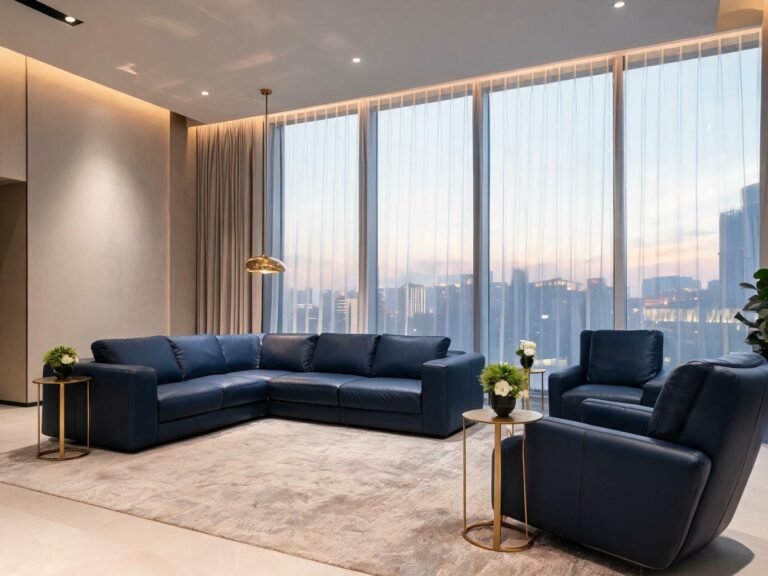
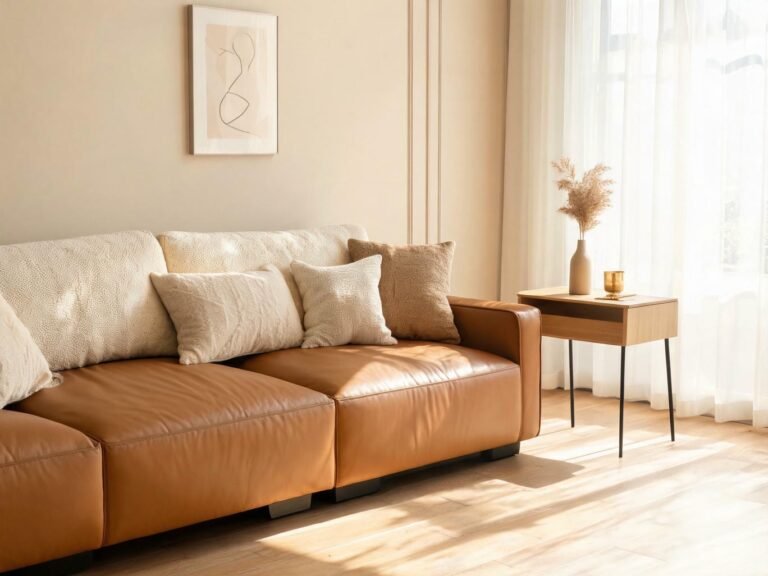
Modern upholstery fabric is defined by rich textures, neutral palettes, and performance capabilities — today’s fabrics need to look beautiful and stand up to real-world use.
Trend watch for 2026–2027: The biggest shift we’re seeing isn’t a specific fabric type or color — it’s the expectation that modern upholstery fabric should do more. It should look great, feel great, last a long time, be safe for people and the planet, and be easy to care for. The materials that meet all these criteria are the ones that will dominate the next era of upholstery.
Modern Upholstery Fabric Categories: A B2B Buyer’s Guide
Let’s break down the major categories of modern upholstery fabric and where each fits in the market:
| Category | Key Materials | Best For | Durability |
|---|---|---|---|
| Woven Fabrics | Polyester, cotton, linen, olefin, blends | Residential sofas, accent chairs, contract seating | Fair to good |
| Performance Wovens | Solution-dyed acrylic, high-tenacity polyester, nanocoated blends | High-traffic residential, hospitality, outdoor | Excellent |
| Velvet & Chenille | Polyester velvet, performance velvet, mohair blend | Luxury residential, hospitality, statement pieces | Fair (traditional) / Good (performance) |
| Genuine Leather | Full-grain, top-grain, corrected-grain | Premium furniture, automotive, luxury goods | Excellent (with care) |
| Vinyl (PVC) | Polyvinyl chloride + plasticizers | Budget commercial, marine, healthcare | Good |
| PU Leather | Polyurethane coating on fabric backing | Mid-range furniture, automotive entry-level | Fair to good |
| Silicone Leather | Medical-grade silicone on knit backing | Premium contract, healthcare, hospitality, residential | Exceptional |
| Novelty/Textured | Bouclé, sherpa, corduroy, jacquard | Accent chairs, decorative pieces, residential | Fair |
Performance Standards Every Modern Upholstery Buyer Should Know
When evaluating modern upholstery fabric, don’t rely on marketing claims — look for the test data. Here are the key performance standards and what they mean:
Martindale Abrasion Test
The Martindale test measures abrasion resistance by rubbing the fabric against a standard abrasive surface in a circular motion. The result is reported in double rubs — the number of rubs before the fabric shows noticeable wear. For modern upholstery fabric:
- Residential minimum: 15,000–30,000 double rubs
- Commercial minimum: 100,000+ double rubs
- Heavy commercial: 200,000+ double rubs
Wyzenbeek Abrasion Test
The Wyzenbeek test is similar to Martindale but uses a back-and-forth rubbing motion. It’s more common in North America, while Martindale is more common in Europe. As a rough conversion, Wyzenbeek double rubs are roughly equivalent to Martindale double rubs for most fabrics.
Light Fastness
Light fastness measures how well a fabric resists fading from sunlight or artificial light. It’s typically rated on a scale of 1–8 (8 being best). For modern upholstery fabric:
- Residential: Grade 4+ (40+ hours)
- Contract / near windows: Grade 5+ (80+ hours)
- Outdoor / direct sun: Grade 7–8 (600+ hours)
Chemical & Stain Resistance
Modern upholstery fabric should stand up to common household and commercial chemicals — coffee, wine, cleaning products, disinfectants. The best materials resist staining entirely and can be cleaned with common disinfectants without damage. This is an area where silicone leather has a significant advantage — it’s inherently stain-proof and compatible with most commercial cleaning chemicals, whereas woven fabrics and even genuine leather can stain permanently.
Flame Retardancy
Commercial upholstery must meet specific flammability standards — CAL 117 in California, TB 117-2013 for updated standards, BS 5852 in the UK, and various national standards. Modern upholstery fabric can be inherently flame-retardant (the fiber itself doesn’t burn) or treated with flame-retardant chemicals. Inherently flame-retardant materials are generally considered safer and more durable, as chemical treatments can wear off over time.
VOC & Chemical Safety
Volatile organic compounds (VOCs) are chemicals that off-gas from materials into the air. Modern upholstery buyers — especially in healthcare, education, and green building markets — are increasingly concerned about indoor air quality. Look for materials with third-party certifications like OEKO-TEX, GREENGUARD, or CertiPUR-US that validate low VOC emissions and chemical safety.

Modern upholstery fabric selection should always be based on verified test data — not marketing claims. Always request technical data sheets and third-party test reports.
Where Silicone Leather Fits in the Modern Upholstery Landscape
Silicone leather is one of the most exciting developments in modern upholstery fabric — and it’s creating an entirely new category. It’s not a woven fabric, not traditional vinyl, and not genuine leather, but it combines desirable properties from all three categories:
- Look and feel of premium leather — With realistic grain textures and a supple hand feel, silicone leather delivers the luxury aesthetic that consumers associate with genuine leather.
- Better than fabric durability — 200,000+ Martindale rubs, stain-proof, hydrolysis-resistant, and UV-stable. It outperforms most woven fabrics and many genuine leathers on durability.
- Zero VOC and fully recyclable — Medical-grade silicone is one of the safest upholstery materials available, and it can be fully recycled at end of life.
- Hospital-grade cleanability — Compatible with bleach, alcohol, and most commercial disinfectants. Ideal for healthcare, hospitality, and other high-cleanliness environments.
- Versatile aesthetic range — Can be produced in matte, semi-matte, or satin finishes; pebbled, smooth, or embossed grain patterns; and any color imaginable.
For B2B buyers, silicone leather is worth considering whenever you’re evaluating modern upholstery fabric options. It’s particularly strong in contract and commercial applications where performance matters, but it’s also gaining traction in premium residential as consumers discover its practical benefits — especially for households with kids, pets, or anyone who wants beautiful furniture without the stress of maintaining it.
How to Spec Modern Upholstery Fabric: A Checklist
Use this checklist when evaluating any modern upholstery fabric for your products:
- Define your application requirements — Residential or commercial? Expected use intensity? Environmental conditions? Cleaning requirements? Start with the end use, not the material.
- Set performance minimums — Based on your application, establish minimum standards for abrasion resistance, light fastness, stain resistance, and flame retardancy.
- Request full technical data sheets — Don’t accept marketing claims. Get actual test data from reputable labs.
- Evaluate sustainability credentials — Look at the full lifecycle: raw materials, production process, usable lifespan, and end-of-life options. Certifications help, but dig deeper than labels.
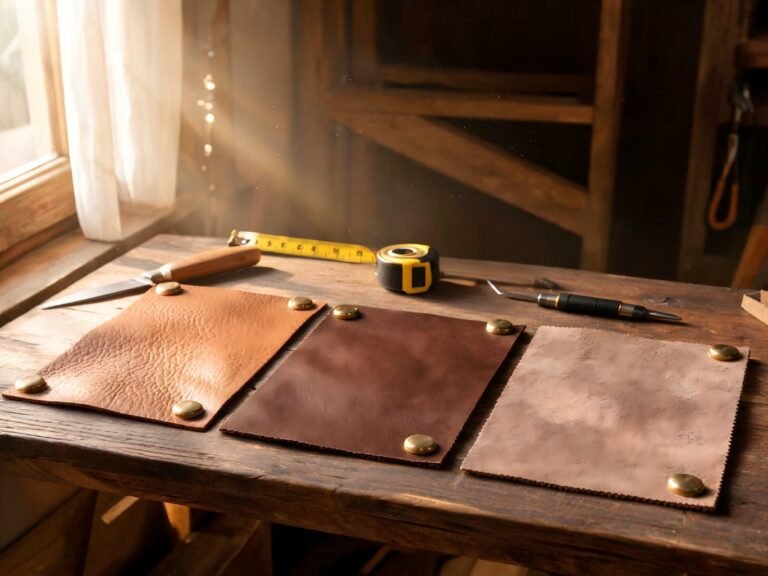
- Test samples in real conditions — Order physical samples and test them with the actual cleaning products, sunlight exposure, and wear patterns your product will experience.
- Consider total cost of ownership — A cheaper fabric that lasts 3 years is more expensive long-term than a premium fabric that lasts 10+ years. Factor in replacement costs, maintenance, and warranty exposure.
- Don’t limit yourself to traditional categories — The most interesting innovations are happening at the boundaries between categories. Consider silicone leather and other hybrid materials alongside traditional woven fabrics and genuine leather.
Modern upholstery fabric is a dynamic and rapidly evolving category. The materials that will define the next decade of upholstery aren’t just better versions of what came before — they’re fundamentally different materials that challenge our assumptions about what upholstery can be. Smart B2B buyers are paying attention to these developments and building material portfolios that balance tradition and innovation, performance and aesthetics, quality and sustainability.
Try Modern Silicone Upholstery Samples
About TOPSUN
TOPSUN is a leading manufacturer of premium silicone leather — a modern upholstery material that combines the luxury look and feel of leather with exceptional performance, zero VOC emissions, and full recyclability. We serve B2B buyers in furniture, automotive, healthcare, hospitality, and consumer electronics worldwide.
200,000+ Martindale rubs · Stain-proof · Zero VOC · Fully recyclable · 40+ colours · Hospital-grade cleanability · ISO & REACH certified