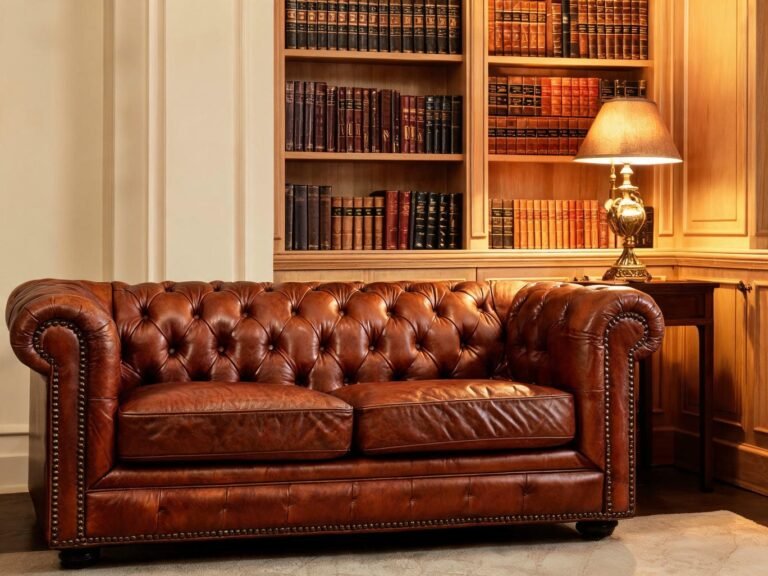
The leather material industry is undergoing the most significant transformation in a century. For thousands of years, “leather” meant one thing — animal hide that had been tanned to prevent decomposition. Today, the category has expanded to include petroleum-based synthetics, advanced silicone materials, and bio-based fabrics grown from mushrooms, cacti, and fruit waste. All of them call themselves leather, and all of them are growing — but at very different rates and for very different reasons.
The global leather market was valued at approximately USD 41.93 billion in 2026 and is projected to reach USD 76.87 billion by 2035, growing at a CAGR of 6.97% . But those headline numbers mask a deeper structural shift: synthetic leather is gaining share in mass-market applications, bio-based leather is capturing the sustainability narrative, and natural leather is increasingly concentrated at the premium and luxury end of the market.
Explore Next-Gen Leather Materials
What Is Leather Material? Defining an Expanding Category
Traditionally, leather material is defined as animal hide that has been treated with tanning agents to make it durable, flexible, and resistant to decay. The tanning process — whether using vegetable tannins, chromium salts, or other chemicals — stabilizes the collagen fibers in the hide, transforming a material that would otherwise rot into something that can last for decades or even centuries.
But the definition is expanding. Today, when people search for “leather material,” they’re often looking for materials that look and function like leather, regardless of whether they come from animals. This broader category includes:
- Natural leather — made from animal hides (cowhide ~65% of production, plus sheep, goat, pig, and exotic skins)
- Synthetic leather — made from plastic polymers (PU, PVC, silicone) coated onto fabric backings
- Bio-based leather — made from plant materials, fungi, or agricultural waste (mushroom mycelium, pineapple fiber, cactus, apple skin)
- Recycled / hybrid leather — made from reclaimed leather fibers or a mix of natural and synthetic components

Modern leather material options span hundreds of colors, textures, and material chemistries
This expansion is creating both opportunities and confusion. On one hand, buyers have more options than ever to match material performance to their exact application requirements. On the other hand, marketing language has outrun regulatory definitions — many products labeled “leather” or “vegan leather” contain materials and chemicals that would surprise the average consumer. For B2B buyers, the takeaway is clear: always specify the material chemistry, not just the marketing label.
Industry watch: Around 70% of footwear manufacturers now prefer synthetic leather over natural leather due to lower cost and higher durability, according to recent market analysis. The shift is reshaping supply chains worldwide.
How Natural Leather Material Is Made
The production of natural leather is a multi-stage process that has evolved over thousands of years but still follows the same fundamental steps: preparing the hide, tanning it, and finishing it. Here’s a high-level overview:
| Production Stage | What Happens | Key Environmental Considerations |
|---|---|---|
| 1. Raw Hide Preparation | Hides are cured with salt, then soaked, cleaned, and hair is removed (liming process) | Water use, waste hair and flesh disposal |
| 2. Tanning | Tanning agents bind with collagen fibers to stabilize the hide and prevent decomposition | Chrome tanning (80%+ of production) uses chromium salts; vegetable tanning uses tree bark extracts |
| 3. Retanning & Dyeing | Additional tanning agents and dyes are applied to achieve desired color and properties | Dye and chemical runoff; water consumption |
| 4. Drying & Finishing | Leather is dried, softened, and surface-finished (embossing, coating, polishing) | Energy use in drying; solvent-based finishes emit VOCs |

Modern material manufacturing facilities produce both natural and synthetic leather at industrial scale
Chrome tanning is the dominant method today — used for roughly 80% of all leather production — because it’s fast (hours vs. weeks for vegetable tanning) and produces soft, flexible leather. However, chromium waste from tanneries has been a significant environmental concern, particularly in regions with less strict regulatory enforcement. The Leather Working Group (LWG) certification has emerged as the leading standard for responsible tannery operations, auditing environmental performance, traceability, and labor practices.
The 4 Major Segments of the Leather Material Market
The leather material market isn’t one market — it’s several distinct segments with different economics, growth rates, and competitive dynamics. Understanding which segment you’re operating in is essential for making the right sourcing and product decisions.
| Market Segment | Est. Size (2026) | Growth Rate | Key Trends |
|---|---|---|---|
| Natural Animal Leather | ~$25-29B | 3-5% CAGR | Premiumization; shifting to luxury and heritage positioning |
| Synthetic Leather (PU, PVC) | ~$12-15B | 5-6% CAGR | Dominates mass-market footwear and budget upholstery |
| High-Performance Synthetic (Silicone) | ~$500M-$1B | 12-15% CAGR | Fastest-growing premium synthetic; automotive, medical, contract furniture |
| Bio-Based Leather | ~$1.5-2B | 10-12% CAGR | High brand interest but limited commercial scale; luxury fashion lead |

Synthetic leather production enables consistent quality and color matching across large volume orders
The most interesting dynamic is at the top and bottom of the market. At the low end, PU synthetic leather dominates mass-market footwear and fast fashion because it’s cheap and consistent — quality differences between manufacturers matter, but the basic material is a commodity. At the high end, natural leather is retreating to luxury positioning while both bio-based and high-performance synthetics are pushing upward from below. The middle — mid-priced furniture, mid-tier automotive, mainstream accessories — is where the most competitive disruption is happening.
Next-generation leather materials and how they’re reshaping industry applications
Key Applications Across Industries
Leather material — in all its forms — is one of the most widely used materials in manufacturing. Here are the major application sectors and which material types dominate each:
| Industry | Dominant Material Type | Key Performance Requirements |
|---|---|---|
| Footwear | Synthetic leather (70%+) + natural leather (premium) | Flex resistance, breathability, water resistance |
| Furniture & Upholstery | Natural top-grain (premium) + PU/silicone (commercial) | Abrasion resistance, stain resistance, UV stability |
| Automotive Interiors | Natural Nappa (luxury) + synthetic (mass market) | Temperature resistance, low VOC, flame retardancy |
| Fashion & Accessories | Mixed across all tiers — full-grain to PU | Aesthetic quality, softness, color consistency |
| Marine & Outdoor | Vinyl and silicone synthetic leather | Waterproof, UV resistant, salt spray resistant |
| Medical & Healthcare | Medical-grade PVC + emerging silicone | Antimicrobial, disinfectant-resistant, biocompatible |
One of the most important trends we’ve observed is that material choice is increasingly application-specific rather than category-specific. Ten years ago, “leather furniture” meant natural leather. Today, a commercial furniture buyer might specify natural leather for executive suites, silicone leather for lobby seating, and PU leather for cafeteria furniture — all in the same building. The decision is driven by performance requirements and total cost of ownership, not by tradition.
View All Application Industries
The Future of Leather Material
The leather material market in 2026 is both larger and more fragmented than ever before. Natural leather is no longer the default — it’s a premium choice in a crowded field of alternatives. Synthetic leather dominates mass markets but faces growing scrutiny over microplastic shedding and end-of-life environmental impact. Bio-based leather generates enormous interest but still struggles with commercial scale and consistent performance. And high-performance synthetics like silicone leather are carving out a growing niche at the intersection of performance, sustainability, and commercial viability.
For B2B buyers, the implication is clear: the “best” leather material depends entirely on what you need it to do. The most successful product teams are the ones that define their performance requirements first — durability, cleanability, environmental profile, cost — and then find the material that meets those requirements, regardless of whether it comes from an animal, a polymer factory, or a bioreactor.
Consult a Material Selection Specialist
About TOPSUN
TOPSUN is a leading manufacturer of high-performance silicone leather material serving furniture, automotive, marine, medical, and fashion industries worldwide. Our advanced silicone-coated materials combine the aesthetic quality of premium leather with superior durability, cleanability, and environmental performance.
ISO 10993 biocompatibility certified, REACH and PAHs compliant, zero VOC emissions, and 200,000+ Martindale abrasion cycles. Serving 30+ countries with OEM/ODM customization and full technical support.