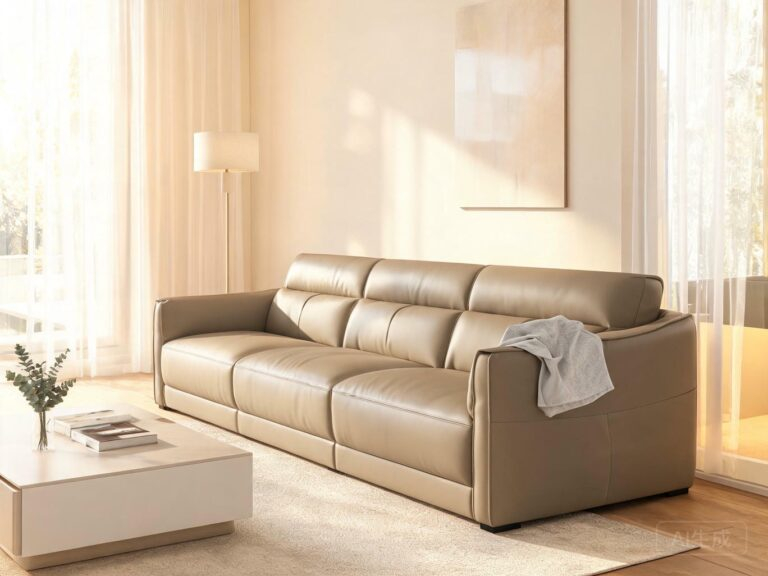
Choosing the right loveseat leather fabric is one of those decisions that looks simple on a showroom floor but gets complicated fast once the piece lands in a living room with children, pets, and the occasional spilled glass of red wine. The material that looked premium in the store may crack within a year, absorb stains permanently, or develop that sticky surface texture that happens when PU leather starts breaking down.
We’ve been supplying loveseat leather fabric to furniture manufacturers across multiple markets, and the feedback patterns are remarkably consistent. Here’s what actually matters when you’re choosing a material for a two-seat sofa — based on real-world performance data, not showroom impressions.
Why Loveseat Material Choice Matters More Than Full-Size Sofas
A loveseat concentrates more wear per square foot than a three-seat sofa. Two people sitting close together means more frequent contact with the same armrests, seat cushions, and backrest zones. In households with children, a loveseat often doubles as a climbing structure, a nap spot for pets, and an impromptu snack station — all of which are punishing on upholstery materials.

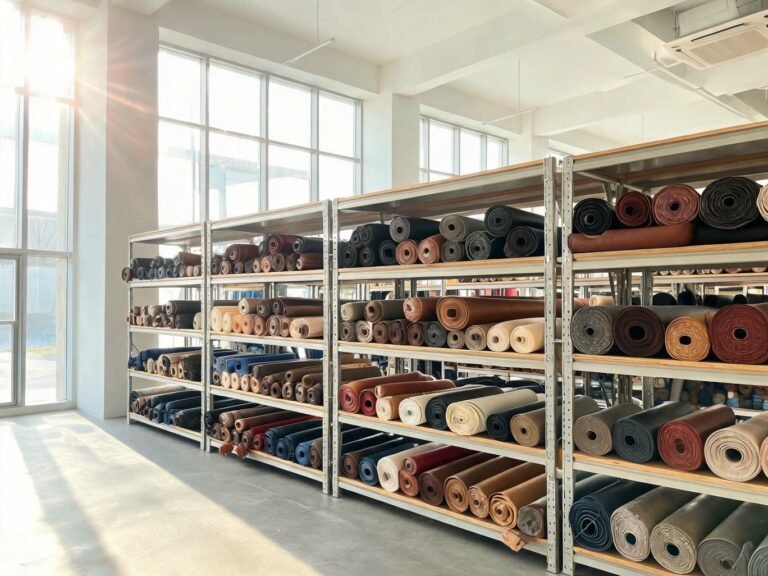
Warm-tone leather swatches — choosing the right color and texture for your loveseat design
That’s why the material selection process for loveseat leather fabric should be even more rigorous than for larger sofas. You’re not just choosing something that looks good — you’re choosing something that needs to maintain its appearance under concentrated daily use, often in homes where aesthetics and practicality need to coexist.
4 Loveseat Materials Compared: What Actually Happens After 12 Months
Here’s a comparison based on what furniture manufacturers and end-users report after a year of real-world use. This isn’t lab data — it’s the kind of performance information that actually matters when you’re specifying loveseat leather fabric for a product line or choosing a cover material for your own home.
| Factor | Silicone Leather | PU Leather | PVC Vinyl | Genuine Leather |
|---|---|---|---|---|
| Stain Resistance | Wipes clean instantly | Moderate — absorbs over time | Good but surface scratches | Absorbs quickly, needs treatment |
| Pet Scratch Recovery | Bounces back from light scratches | Permanent marks | Tears easily | Permanent marks, patinas |
| Cleaning Effort | Damp cloth only | Needs specific cleaners | Easy but degrades with chemicals | Requires conditioning |
| 12-Month Appearance | Like new | Visible wear on edges | Cracking possible | Patina (subjective) |

Silicone leather on furniture — maintaining appearance through years of daily use
The stain resistance row deserves emphasis. In homes with young children, a loveseat will encounter juice, milk, food particles, and the occasional art project marker. Silicone leather’s non-porous surface means liquids sit on top rather than soaking in — a quick wipe removes the mess. PU leather, by contrast, gradually absorbs spills, especially along seam lines where the coating is thinnest. One furniture manufacturer we work with reported a 60% drop in stain-related warranty claims after switching their loveseat line from PU to silicone leather.
Watch silicone leather’s stain resistance in action — coffee, juice, and marker wipe off with just a damp cloth.
What Makes Loveseat Leather Fabric Pet-Friendly and Child-Safe
For families, the loveseat is often the most contested piece of furniture in the house. Kids use it as a trampoline. Dogs claim it as their personal bed. Snacks disappear into the cushions. The material needs to survive all of this while still looking presentable when guests arrive.

Black lychee texture leather — durable surface that resists pet scratches and daily wear
Pet claws are the biggest physical threat to any loveseat cover material. Cats scratching the armrest or a large dog jumping up with untrimmed nails can leave permanent damage on PU and genuine leather. Silicone leather’s elastic recovery is significantly better — light to medium scratches tend to bounce back as the silicone coating flexes and returns to its original shape. For deep scratches, the damage is usually less visible than on PU because the color runs through the entire coating layer rather than sitting on the surface.
From a safety perspective, parents should ask about chemical emissions. New PU leather often has a noticeable chemical smell that can persist for weeks — this is off-gassing from residual solvents. Silicone leather is solvent-free by manufacturing design, so there’s no off-gassing period. For a furniture application where children will have direct skin contact for hours at a time, this matters.
Real-world feedback: A furniture brand we supply told us their customer satisfaction scores for the “easy to clean” attribute jumped 40% after they switched their family sofa line to silicone leather. Parents specifically mentioned being able to wipe off crayon marks and food stains without special cleaners.
Loveseat Leather Fabric Maintenance: What Each Material Actually Requires
Maintenance requirements directly affect how a loveseat looks over its lifetime — and how much money you’ll spend on cleaning products, conditioners, or premature replacement. Here’s the honest maintenance picture for each material type.
Silicone leather requires the least maintenance of any option. Routine cleaning is a damp microfiber cloth — no special products needed. For tougher stains, a mild soap solution works. There’s no need for conditioning because silicone doesn’t dry out or crack the way genuine leather or PU does. The cleaning and maintenance process is straightforward and inexpensive.

Folded leather texture — flexibility and softness are key for comfortable loveseat seating
PU leather needs regular application of synthetic leather conditioners to prevent the coating from drying and cracking, especially along fold lines and seams. Skip the conditioning for a few months in a dry or air-conditioned environment, and you’ll start seeing micro-cracks that eventually become visible peeling.
Genuine leather requires the most maintenance — periodic conditioning with leather balms, protection from direct sunlight, and immediate attention to spills. It ages beautifully if you’re willing to put in the effort, but neglect shows quickly.
Talk to Our Furniture Specialists
Choosing the Right Loveseat Leather Fabric for Your Market
For furniture manufacturers selecting a loveseat leather fabric for their product line, the decision ultimately comes down to your target customer and the warranty you’re willing to offer. If you’re selling into the budget segment where price is the primary driver, PU leather still has a place — just expect higher warranty claim rates. If you’re positioning in the mid-to-premium segment where durability, easy maintenance, and modern aesthetics matter, silicone leather delivers a combination that no other single material can match.
The cost gap between silicone leather and mid-range PU has narrowed significantly in recent years. When you factor in reduced warranty claims, lower return rates, and the marketing advantage of a genuinely pet-friendly and child-safe material, the total cost for sofa upholstery often favors silicone leather — even though the per-meter price is slightly higher.
Request samples in the colors and textures that match your product line. Test them in your own showroom conditions — spill coffee on them, scratch them with keys, leave them in direct sunlight. The material that performs best in your hands is the one that will perform best in your customers’ homes.
About TOPSUN
TOPSUN develops silicone leather specifically for residential furniture applications — loveseats, sofas, and accent chairs — with emphasis on soft hand feel, stain resistance, and pet-friendly durability that meets real family life demands.
Capabilities include custom texture and color matching, 500,000m monthly production capacity, and Level 5 stain resistance rated for household chemicals and common food stains.