Most procurement teams compare leather and vinyl on a single line item: price per meter. Genuine leather runs $25–40/meter; vinyl $4–12. The spreadsheet says vinyl wins. But that spreadsheet doesn’t include replacement labor, conditioning maintenance, warranty claims, or compliance testing. By year five, the real cost gap narrows dramatically — and by year ten, the cheaper material often costs more. This analysis breaks down what leather and vinyl actually cost B2B buyers over a 5-year and 10-year horizon, including the hidden line items most procurement teams never calculate.
Request TCO Comparison Worksheet
The Real Cost of Leather and Vinyl Over 5 Years
Let’s start with what actually ends up on the invoice. The table below tracks four cost dimensions across genuine leather, vinyl (PVC), and silicone leather — using typical B2B pricing for furniture upholstery applications. These are mid-range figures; luxury or specialty grades run higher.
| Cost Factor | Genuine Leather | Vinyl (PVC) | Silicone Leather |
|---|---|---|---|
| Upfront cost/meter | $25–40 | $4–12 | $15–28 |
| Expected lifespan | 8–12 years | 3–5 years | 10–15+ years |
| Annual maintenance | $2–4/meter (conditioning) | $0.50–1/meter (cleaning) | $0.20–0.50/meter |
| Replacements in 5 years | 0 (with care) | 1–2 | 0 |
| Total 5-yr cost/meter | ~$42–60 | ~$18–35 | ~$16–30 |
The upfront gap shrinks fast. Vinyl’s lower purchase price gets eaten by one replacement cycle — and by year five, its total cost approaches genuine leather territory. Meanwhile, silicone leather starts at a mid-range price point but accumulates almost no maintenance or replacement costs. For a deeper breakdown of material differences beyond price, our leather and vinyl differences guide covers structural and chemical distinctions.

Material sample comparison: genuine leather, vinyl, and silicone leather swatches for B2B evaluation
Hidden Costs Most B2B Spreadsheets Miss
The table above covers direct costs. But three indirect cost categories routinely push the real TCO higher than any procurement spreadsheet predicts.
First: maintenance labor. Genuine leather requires quarterly conditioning with pH-neutral products — roughly 15 minutes of staff time per furniture unit, per session. Across a 200-seat restaurant or a 500-room hotel, that’s 75–125 hours of labor annually. Vinyl skips conditioning but needs more frequent deep cleaning because its surface develops static that attracts dust and grime. Cleaning and maintenance protocols differ significantly between materials, and understaffing this line item is the most common TCO error we see.

Tensile strength testing: quantifying when vinyl begins to crack vs leather’s elastic limit
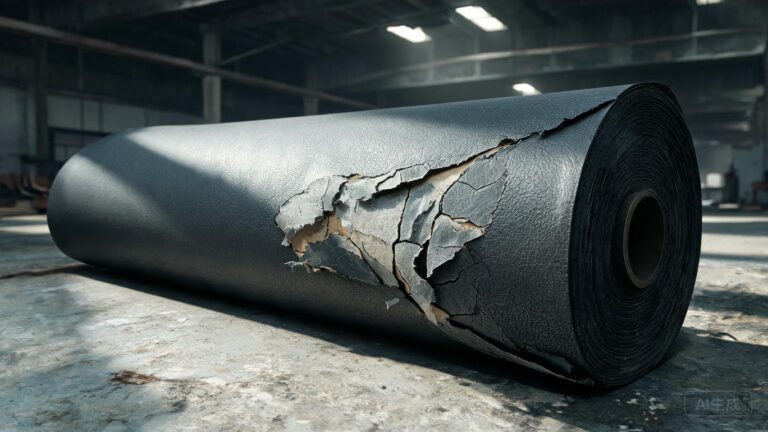
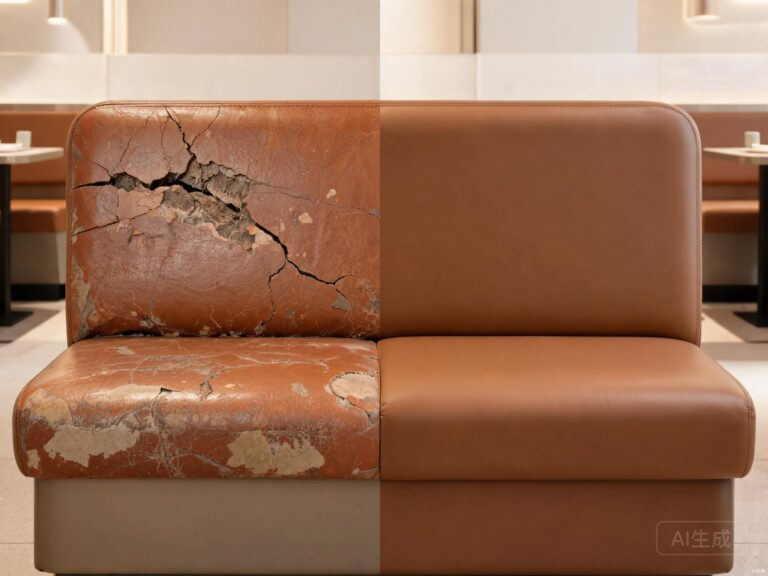
Second: warranty claims and rework. Vinyl’s year-3 cracking isn’t a hypothetical — it’s a pattern we’ve seen across hospitality and transportation contracts. When vinyl seats crack, you don’t just replace the material. You pay for removal, downtime, reupholstery labor, and often expedited shipping. One replacement cycle can add 60–80% to the original material cost.
Third: compliance and labeling. The FTC enforces strict rules on leather labeling — “genuine leather,” “bonded leather,” and “faux leather” aren’t interchangeable terms. Mislabeled products face recalls and fines. Vinyl products intended for commercial interiors may require additional flame retardancy documentation (CA TB 117-2013, BS 5852) that adds testing cost per batch.
When Leather and Vinyl Each Make Sense
Despite the cost analysis, there’s no universal winner. The right material depends on the application’s wear profile, climate exposure, and aesthetic requirements. Here’s the decision framework we use with B2B clients:
- Choose genuine leather when: The product is low-volume, high-margin, and the customer values patina development. Luxury residential furniture and bespoke automotive interiors fit this profile. Maintenance staff must be available for regular conditioning.
- Choose vinyl when: The product is high-volume, budget-constrained, and lifespan requirements are short (2–4 years). Event staging, seasonal outdoor furniture, and disposable packaging applications. Just plan for replacement from day one — don’t expect it to last.
- Choose silicone leather when: The product needs leather-like durability and vinyl-like cleanability in a single material. High-traffic commercial furniture, medical equipment, and automotive interiors where replacement downtime is costly. For more on vinyl upholstery trade-offs, the pattern is consistent: vinyl saves money upfront but loses it back in replacement cycles.
We’ve seen buyers default to vinyl for everything because the purchase price looks attractive, then discover at year three that half their seating inventory needs reupholstering. The “leather vs vinyl durability comparison” isn’t theoretical — it shows up in warranty claim data, maintenance logs, and customer complaints across both automotive interiors and commercial furniture programs.

Full material range: color and texture options across leather, vinyl, and silicone leather grades
The Third Option: Silicone Leather Eliminates the Trade-off
The leather-and-vinyl binary assumes you must choose between luxury (leather) and economy (vinyl). Silicone leather breaks that assumption. It delivers genuine leather’s 10–15 year lifespan with vinyl’s wipe-clean maintenance — and adds properties neither material offers.
Unlike vinyl, silicone leather contains zero plasticizers — so it doesn’t crack at year three. Unlike genuine leather, it’s non-porous — so it doesn’t absorb moisture, develop mold, or require conditioning. And unlike both, it’s verified to 150,000 Martindale abrasion cycles, which means the material outlasts the product it’s upholstering. For a full technical comparison, see our silicone vs PU material analysis — the same durability logic applies to vinyl.

Cost vs lifespan: silicone leather’s higher upfront cost is offset by zero replacement cycles over 10 years
How silicone leather delivers lower total cost of ownership than both leather and vinyl — with real production data.
Frequently Asked Questions
Is vinyl or leather cheaper for high-traffic commercial furniture?
Over a 2-year horizon, vinyl is cheaper — its low upfront price dominates. Over 5 years, the gap closes because vinyl typically needs one full replacement. Over 10 years, genuine leather or silicone leather costs less than vinyl, because you’re buying the material once instead of two or three times. The break-even point for most commercial furniture falls around year 3–4.
How often does vinyl need replacement compared to leather?
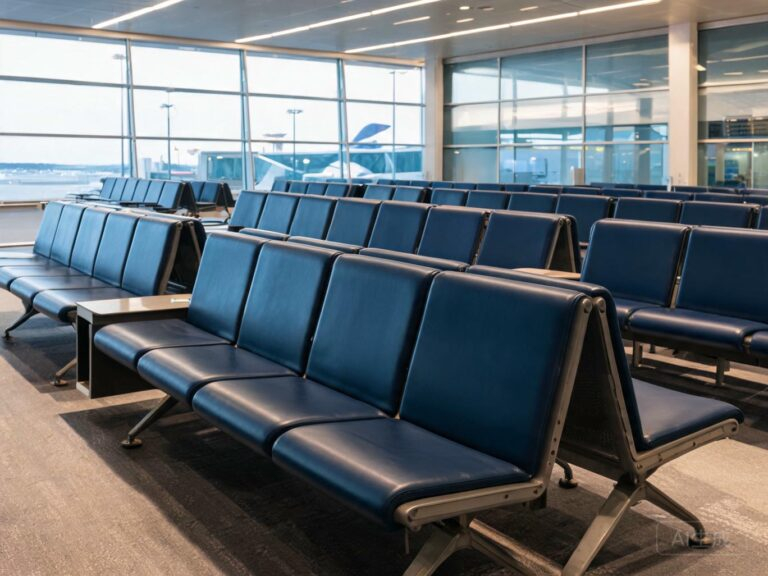
Standard commercial-grade vinyl (PVC) lasts 3–5 years in high-traffic settings before cracking or delaminating. Genuine leather lasts 8–12 years with proper conditioning. Silicone leather lasts 10–15+ years with no special maintenance. For a 200-seat venue, choosing vinyl means scheduling 2–3 full reupholstery cycles per decade — each one costing labor, downtime, and disposal fees.
Stop Choosing Between Leather and Vinyl
The leather and vinyl comparison has been framed as a trade-off for decades: pay more for durability, or less for replaceability. Silicone leather changes the equation. At $15–28/meter with a 10–15 year lifespan and near-zero maintenance, its 5-year TCO falls below both genuine leather and vinyl — without the plasticizer cracking that makes vinyl a recurring expense.
If your procurement spreadsheet only has one line for “material cost per meter,” it’s missing 60–70% of the picture. Build a 5-year TCO model. Include replacement cycles, maintenance labor, and compliance testing. The material that looks cheapest on day one is rarely the one that costs least by year five.
Get Custom Quote with 10-Year Cost Projection
About TOPSUN
TOPSUN supplies leather and vinyl alternative materials — specifically silicone-based synthetic leather — for furniture, automotive, and hospitality buyers evaluating total cost of ownership across multi-year contracts.
10–15 year service life verified at 150K Martindale cycles | Zero plasticizer migration eliminates year-3 cracking | OEM/ODM custom development with full TCO documentation per application | REACH, RoHS, and ISO 10993 certified for cross-industry compliance