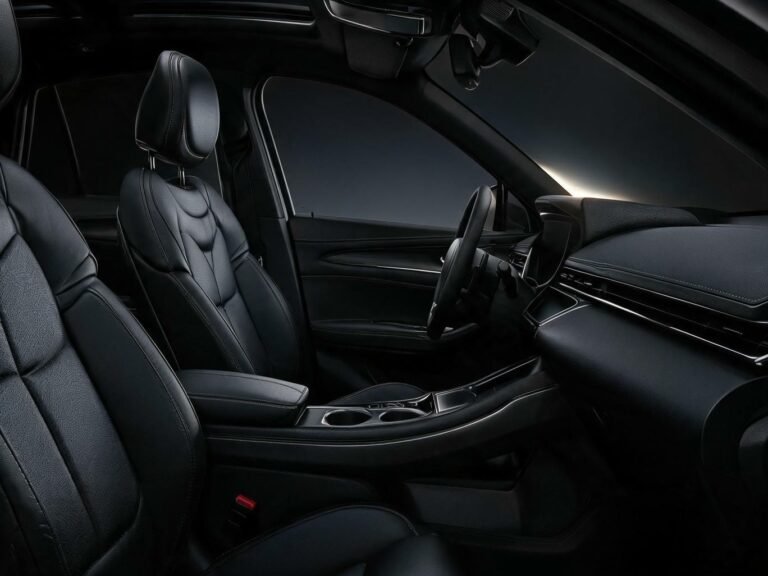
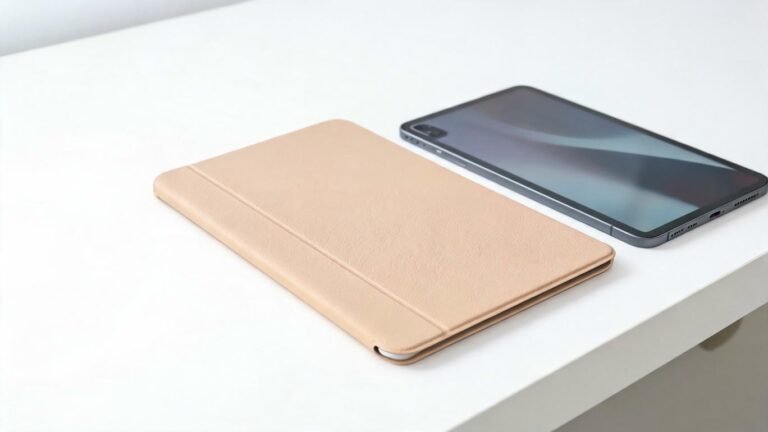
The global premium leather products market reached USD 48.55 billion in 2025 and is projected to hit USD 70.39 billion by 2032. Yet here’s what most B2B sourcing teams miss: “premium” has become a marketing label, not a material standard. Suppliers slap the word on everything from full-grain bovine to bonded leather scraps. If you’re placing a six-figure order, you need objective specifications — not adjectives. This guide breaks down the 5 performance tests that actually define premium leather products and how to verify them before you sign a contract.
What Defines Premium Leather Products in 2026?
Walk into any trade show and you’ll hear “premium” applied to everything. The word has lost its meaning. What B2B buyers actually need is a spec sheet — numbers that hold up in a testing lab, not in a sales pitch. The hierarchy matters: full-grain leather lasts 10-20+ years, top-grain 5-10 years, and bonded leather starts failing at year one. But grade alone doesn’t tell the full story.

Premium leather swatch display — visible color consistency across production batches
The shift in 2026 is regulatory. EU REACH now imposes stricter chromium VI limits. The ELV Directive mandates fully recyclable vehicle leather by 2027. The Ecodesign for Sustainable Products Regulation (ESPR) prohibits destruction of unsold leather goods starting July 2026. According to a Q4 2025 SourcifyChina survey, ESG compliance now drives 73% of strategic supplier selection — up from roughly 40% just two years prior. Buyers who ignore sustainability credentials are choosing suppliers that may not survive the next compliance cycle.
Here’s the problem: most suppliers can’t produce test reports for half the specs you should be checking. We’ve seen factories hand over a single abrasion certificate while quietly skipping UV stability, tear strength, and biocompatibility testing entirely. Those are the specs that determine whether your product lasts 2 years or 12. For a broader comparison of material categories, our silicone leather introduction covers how modern coated fabrics stack up against traditional options.
The 5 Specs That Separate Premium From Standard
In our testing lab, we run every production batch through five critical benchmarks. These are the same specs that OEM buyers in automotive, furniture, and medical设备 should demand from any supplier claiming “premium” status. If a supplier can’t produce current third-party reports for all five, the “premium” claim is marketing, not material science.

Martindale abrasion tester — the first spec most buyers check, but only one of five that matter
1. Martindale Abrasion (ISO 17076-2): Standard leather survives 25,000-50,000 cycles. Premium leather products should exceed 100,000 cycles. Top-tier silicone-coated leather hits 150,000+ cycles. This is your baseline durability metric — but it’s also the one most suppliers actually test, which means it tells you the least about whether they’re rigorous.
2. Tear Strength (ASTM D2211): Premium leather should deliver 35N or higher. This spec matters most for stitched applications — upholstery, seating, bags — where stress concentrates at seam points. A material that passes abrasion testing but tears at 20N will fail at every stress point in real-world use.

Tensile strength tester — verifies tear resistance at stress concentration points
3. Color Fastness to Rubbing (ISO 105-X12): Class 5 is the gold standard — zero color transfer under dry and wet conditions. Standard leather often hits Class 3-4, meaning dark dyes transfer onto clothing in humid conditions. For commercial furniture and automotive interiors, anything below Class 4 dry is a warranty claim waiting to happen.
4. UV Stability (ASTM D329): Premium leather products should survive 1,500+ hours of QUV testing without significant color shift or surface cracking. This is where standard leather fails fastest — UV exposure causes fading within 1-2 years in real-world conditions. For outdoor, automotive, or marine applications, this spec is non-negotiable.
5. Biocompatibility (ISO 10993 series): For any leather contacting skin — wearables, medical furniture, baby products — ISO 10993-5 cytotoxicity (Level 1) and ISO 10993-10 skin sensitization (Level 0) are mandatory. Most suppliers skip this entirely because it’s expensive and relevant only to specific applications. If your product touches human skin, demand these reports. Our eco-friendly silicone leather overview covers the full compliance landscape including REACH SVHC and RoHS 2.0.
Key Insight: In our experience auditing supplier test reports, 60% of factories can produce a Martindale certificate. Less than 25% can produce all five. That gap is where “premium” becomes real or falls apart.
Premium Leather Products vs Standard: What the Data Shows
When you compare premium leather products side by side with standard grades using objective test data, the performance gap is dramatic. The table below consolidates data from our testing and industry benchmarks. Notice that the gap isn’t just in durability — it’s in every spec that affects end-product performance.
| Performance Metric | Standard Leather | Premium Leather |
|---|---|---|
| Martindale Abrasion | 25K-50K cycles | 100K-150K+ cycles |
| Tear Strength | 15-25N | 35N+ |
| Color Fastness (Rubbing) | Class 3-4 | Class 5 |
| UV Stability | 500-800 hours | 1,500+ hours |
| Expected Lifespan | 3-5 years | 10-15+ years |
| VOC Emissions | Moderate to high | Negligible / odorless |
The cost difference between standard and premium leather is typically 40-60% per square meter. But the total cost of ownership tells a different story. A standard leather sofa in a commercial hospitality setting needs replacement every 3-4 years. Premium leather lasts 10+ years. Over a 12-year period, the premium option costs roughly 30% less in total — before factoring in warranty claims, rebranding costs, and customer dissatisfaction. For a deeper comparison between material types, see our silicone vs PU leather analysis.
Watch: Side-by-side durability testing — see how premium silicone leather outperforms standard PU
How to Verify Supplier Claims Before You Sign
A test report is only as trustworthy as the process behind it. We’ve audited hundreds of supplier documents over the years, and here’s what we’ve learned: trading companies frequently alter PDF reports, reuse expired certificates across product lines, and present tests conducted on different materials as if they apply to the product you’re buying. The verification process below catches all three.
Step 1: Verify report authenticity. Every SGS, TUV, or Intertek report carries a unique number. Go to the issuing lab’s official portal and enter that number. If the report can’t be verified online, it’s fabricated or altered. This single step eliminates roughly 30% of the test reports we review.
Step 2: Check report age against ECHA updates. The SVHC candidate list updates twice annually. A report older than 6 months may not reflect current compliance requirements. If your supplier’s REACH report is from 2024, it’s already outdated for a 2026 shipment. Cross-check the material BOM details on the report against the actual product specification — suppliers sometimes test one formulation and sell another.
Step 3: Demand a signed material swatch. Before bulk production, request a physical swatch signed and dated by the supplier’s QC manager. This becomes your reference standard. When bulk goods arrive, compare a random sample against the signed swatch. Color variation, texture drift, or thickness differences mean the production batch doesn’t match what you approved. For more on this process, our team has documented the full leather quality inspection protocol.
B2B Sourcing Checklist: OEM Custom Orders
If you’re sourcing premium leather products for OEM custom production — whether for automotive interiors, commercial furniture, or medical equipment — use this checklist before placing your first order. Each item addresses a failure point we’ve encountered in real supplier audits.
- Material grade certification: Supplier provides written declaration of full-grain, top-grain, or silicone-coated grade with substrate specification
- Five third-party test reports: Martindale, tear strength, color fastness, UV stability, and biocompatibility — all current (within 6 months)
- REACH SVHC compliance: Current screening against the latest ECHA candidate list (240+ substances)
- OEKO-TEX Standard 100: Valid certificate with matching product class (OEKO-TEX official verification)
- Batch consistency protocol: Supplier documents color tolerance (Delta E ≤1.5), thickness tolerance (±0.1mm), and grain uniformity standards
- MOQ and lead time: Clarify per-SKU minimum vs total order; typical production runs 30-60 days plus shipping
- Signed swatch reference: Physical sample signed by QC manager before bulk production begins
One of our clients — a European furniture manufacturer — skipped the UV stability report on their first order. The leather passed Martindale and tear testing perfectly. But after 18 months in a sunlit showroom, every piece showed visible fading. They replaced the entire order at their own cost. That UV report would have cost the supplier $200 to produce. The replacement cost our client $47,000. For more on selecting the right material for your application, see our overview of application-specific requirements or learn what makes the best leather for B2B sourcing.
Frequently Asked Questions
Can silicone leather qualify as premium leather products?
Yes — when it meets the same performance thresholds. Premium silicone-coated leather achieves 150,000+ Martindale cycles, 35N+ tear strength, ISO 105-X12 Class 5 color fastness, and 1,500+ hours of UV stability. It also offers advantages traditional leather can’t match: zero VOC emissions, full waterproof performance, and compliance with REACH, RoHS 2.0, and ISO 10993 biocompatibility standards. The “premium” label applies to performance, not just origin.
What’s the minimum Martindale rating for commercial-grade leather?
For commercial furniture and hospitality applications, the industry benchmark is 50,000 Martindale cycles minimum. For high-traffic environments like airports, cinemas, and public transit, look for 100,000+ cycles. Premium leather products targeting automotive OEM or medical applications should exceed 150,000 cycles. Always request the ISO 17076-2 test report — not just a supplier-claimed number.
Specs Over Slogans: Making the Right Call
The premium leather products market is growing at 5.45% CAGR, but the gap between genuine premium and marketing-labeled “premium” is widening. The specs don’t lie: 150,000 Martindale cycles, 35N tear strength, Class 5 color fastness, 1,500+ hours of UV stability, and ISO 10993 biocompatibility. If your supplier can produce current third-party reports for all five, you’re looking at genuine premium leather. If they can’t — or won’t — you’re paying a premium price for a standard product. Verify before you sign, not after you ship.
About TOPSUN
TOPSUN manufactures premium silicone-coated leather products for B2B clients across automotive, commercial furniture, medical equipment, and consumer electronics applications — delivering custom formulations with full third-party test documentation for every production batch.
ISO 10993 biocompatibility verified · 150K+ Martindale cycles · REACH SVHC + RoHS 2.0 compliant · Zero-VOC formulation · OEM/ODM custom texture and color matching