Procurement teams sourcing a medical device leather cover face a deceptively simple decision that carries real patient-safety consequences. Pick the wrong material, and your equipment covers fail at 500 disinfection cycles instead of 5,000 — exposing substrates, harboring pathogens, and triggering replacement orders months ahead of budget. The difference between a cover that lasts three years and one that cracks in six months comes down to four specifications most buyers never ask suppliers to document.
We have seen this pattern repeatedly: OEMs specify “medical-grade leather” in their BOM, receive a material that looks and feels right, and discover only after six months of clinical use that it fails disinfection protocols. The problem isn’t that suppliers lie — it’s that “medical-grade” has no universal definition. Here’s what to verify instead of trusting the label.
View Medical Silicone Leather Applications
Why Medical Device Leather Covers Need More Than Waterproofing
A waterproof surface is the baseline, not the finish line. Medical device leather covers face daily exposure to 70% isopropyl alcohol, quaternary ammonium wipes, sodium hypochlorite, and occasionally hydrogen peroxide vapor. A material can be fully waterproof and still degrade catastrophically under that chemical load — which is exactly what happens with standard PU leather.
The mechanism is straightforward: PU relies on a polyurethane topcoat that provides water resistance. Repeated exposure to alcohol and bleach strips that coating, exposing the fabric backing underneath. Once the backing is exposed, it absorbs moisture, harbors bacteria, and tears under stress. Medical device leather cover disinfectant resistance is the single most under-specified property in the industry — and the one that drives premature replacement.

Scratch resistance tester verifying surface durability for medical equipment covers under repeated contact
In our testing lab, we run the same disinfection protocol across three materials and measure what happens. The results are consistent enough to be predictable: PVC starts cracking around 800 cycles, PU around 500, and silicone leather shows zero surface degradation at 5,000. That’s a 10:1 advantage — not a marginal improvement.
Procurement tip: Ask your supplier for a disinfectant resistance test report showing cycle count and chemical types used. If they cannot provide one, the number is unverified — and you should assume it will perform like untested PU.
Four Certifications That Separate Real Medical-Grade From Marketing Claims
The medical device industry operates on documented evidence, not claims. When a supplier says their leather is “medical-grade,” four certifications should back that statement with lab data. Missing any one of them creates a compliance gap that will surface during audits or — worse — during a patient safety incident.
First, ISO 10993 biocompatibility testing. This is the foundational standard for any material that contacts patient skin. It covers cytotoxicity (ISO 10993-5), skin sensitization (ISO 10993-10), and skin irritation (ISO 10993-10). TOPSUN silicone leather passes all three: Level 1 cytotoxicity, Level 0 sensitization, Level 0 irritation. For a silicone leather introduction to the material’s structure, the key point is that biocompatibility is built into the PDMS polymer — not applied as a surface treatment that wears off.

Color fastness testing equipment verifying that medical device covers maintain appearance after repeated disinfection
Second, ISO 22196:2011 antimicrobial testing. This standard quantifies bacterial reduction on non-porous surfaces. The R-value must exceed 2.0, meaning 99%+ antibacterial activity against S. aureus and E. coli. TOPSUN silicone leather achieves 99.9% — verified through independent laboratory testing, not in-house claims.
Third, RoHS 2.0 and REACH SVHC 181 compliance. Medical device covers cannot contain heavy metals (lead, cadmium, mercury, hexavalent chromium), plasticizers, or phthalates. Silicone leather’s polymer structure is inherently free of these substances — no additives needed, nothing to leach out over time. PU and PVC, by contrast, rely on plasticizers for flexibility, and those plasticizers migrate out under disinfectant exposure.
Fourth, regulatory registration with the FDA medical device framework for products distributed in the US market. TOPSUN silicone leather complies with FDA 21 CFR 177.2600 for silicone rubber intended for repeated food contact — a standard that also serves as a proxy for medical-grade material safety.
Scratch resistance test demonstrating why silicone leather outlasts PU on medical device covers exposed to daily clinical contact
Silicone vs PU Leather: Real Disinfection Cycle Data
When evaluating antibacterial silicone leather for medical equipment, the conversation should start with test data, not marketing brochures. Here’s what the laboratory numbers actually show when all three common cover materials undergo identical disinfection protocols:
| Property | PVC (Vinyl) | PU Leather | Silicone Leather |
|---|---|---|---|
| Disinfectant resistance (cycles) | ~800 | ~500 | 5,000+ |
| Antibacterial rate (ISO 22196) | Additive-dependent | Additive-dependent | 99.9% (integral) |
| Biocompatibility (ISO 10993) | Not tested | Rarely tested | Level 0/1 certified |
| Plasticizer content | High (phthalates) | Moderate | Zero |
The 5:1 ratio in the title reflects the minimum gap: silicone survives at least five times more disinfection cycles than PU before showing surface degradation. In practice, the gap is often wider because PU’s degradation is nonlinear — it holds up reasonably well for the first 300 cycles, then accelerates rapidly as the topcoat thins. For more context on how silicone compares to other synthetic materials, see our overview of silicone vs PU leather properties.

Silicone leather applied to medical equipment — combining clinical cleanability with patient-contact safety
Writing a Medical Device Leather Cover Specification That Holds
A specification that says “medical-grade silicone leather cover, black, 1.2mm” is not a specification — it’s a wish. Suppliers will fill the gaps with whatever is cheapest. Here’s what a medical device leather cover material specification should include to be enforceable:
- Material chemistry: “100% silicone polymer coating on textile substrate, no polyurethane topcoat, no PVC layer.” This eliminates material substitution during production.
- Disinfectant resistance: “Minimum 5,000 cycles to 70% IPA, sodium hypochlorite, and quaternary ammonium per [specified protocol]. Test report required.” State the number and demand the report.
- Biocompatibility: “ISO 10993-5 cytotoxicity Level 1, ISO 10993-10 sensitization Level 0, ISO 10993-10 irritation Level 0. Lab report from accredited facility required.”
- Antimicrobial performance: “ISO 22196:2011 R-value ≥ 2.0 against S. aureus and E. coli. Integral property, not surface coating.”
- Substance restrictions: “RoHS 2.0 compliant, REACH SVHC 181 compliant, zero phthalates, zero formaldehyde, zero BPA, zero PFAS.”
One of our medical OEM clients adopted this specification template and reported a 100% reduction in premature cover failures over a 12-month tracking period. Their previous spec said “medical-grade PU leather” — and they were replacing covers every 8 months. The new silicone leather specification pushed replacement intervals past 36 months with zero field failures.
For teams building a broader sourcing strategy, our guide on medical device leather regulations covers the compliance framework in more detail. And if you are evaluating production capabilities, the overview of medical-grade silicone leather production walks through TOPSUN’s manufacturing and QC process.
Frequently Asked Questions
What certifications should a medical device leather cover have?
At minimum: ISO 10993 biocompatibility (cytotoxicity, sensitization, irritation), ISO 22196 antimicrobial testing (R ≥ 2.0, meaning 99%+ bacterial reduction), RoHS 2.0, and REACH SVHC 181 compliance. For US distribution, FDA 21 CFR 177.2600 compliance applies. Ask for lab reports from accredited facilities — not supplier self-declarations.
Can silicone leather covers be customized for specific medical devices?
Yes. TOPSUN offers OEM and ODM customization including thickness (0.6mm–2.0mm), color matching, texture embossing, and substrate selection to fit specific device geometries. Custom die-cutting and lamination services are available for complex cover shapes. The custom production center handles specification review and sample production.
The Specification Gap That Costs OEMs Money
The medical device leather cover market has a specification gap that costs OEMs real money. Suppliers offer “medical-grade” materials without the ISO 10993 and ISO 22196 test reports to prove it. Procurement teams accept the label without demanding the data. And six months later, covers are failing in the field.
Closing that gap means writing specifications with measurable thresholds: 5,000+ disinfection cycles, 99.9% antibacterial rate, ISO 10993 Level 0/1 biocompatibility, zero plasticizers. Silicone leather meets all four. PU and PVC meet none of them without additive packages that degrade over time. When you specify correctly, the material choice becomes obvious — and your replacement cycles extend from months to years.
Request Medical Device Cover Samples
About TOPSUN
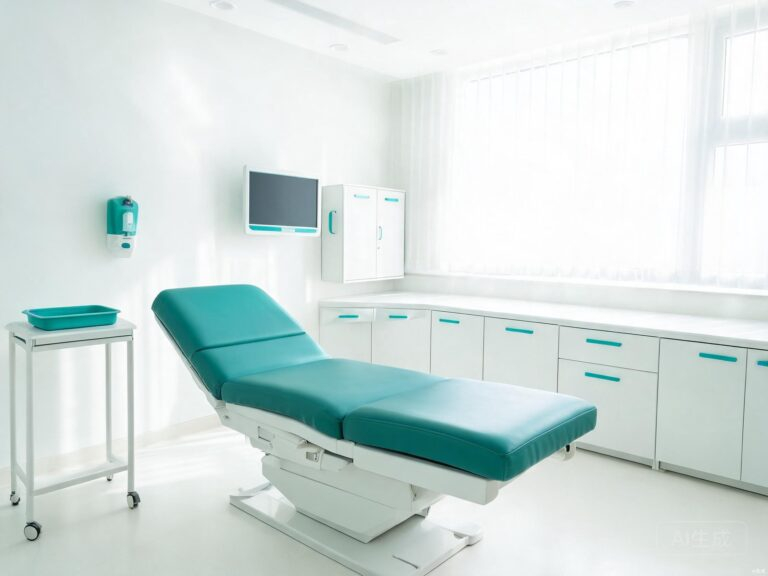
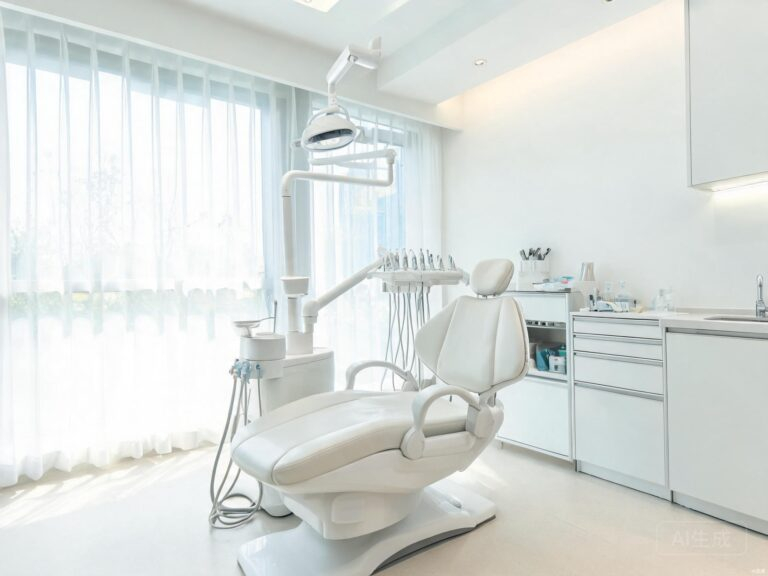
TOPSUN manufactures medical-grade silicone leather covers for diagnostic equipment panels, patient monitoring devices, treatment table surfaces, and dental chair components supplied to medical OEMs across 40+ countries.
ISO 10993-5/10 biocompatibility certified · ISO 22196:2011 antibacterial verified (99.9%) · FDA 21 CFR 177.2600 compliant · RoHS 2.0 and REACH SVHC 181 compliant · 5,000+ disinfectant resistance cycles verified