Black leather pieces are the building blocks of product manufacturing — the die-cut panels, trims, and components that become shoe uppers, bag faces, furniture accents, and automotive trim. Yet B2B buyers consistently source these black leather pieces with incomplete specifications: thickness tolerances unverified, color fastness untested, cutting yield uncalculated. The result is production waste, color mismatches between batches, and supplier disputes over what was actually agreed.
Whether you are sourcing black leather pieces for footwear, accessories, or interior components, the specifications that matter are not the ones on the supplier’s product page — they are the ones that affect your die-cutting yield, color consistency, and production timeline. Here’s what to verify.
Request Custom Die-Cut Samples
Why Black Leather Pieces Demand Tighter Specifications Than Rolls
When you buy leather by the roll, minor thickness variations average out — a 0.1mm deviation across a 50-yard roll is manageable. But when you die-cut individual pieces, that same 0.1mm variation creates problems: cutting dies designed for 1.2mm material will either under-cut at 1.1mm (leaving burrs) or over-cut at 1.3mm (damaging the cutting board). Over a 10,000-piece production run, tolerance drift translates to scrap rates of 8–15%.
Black leather pieces die cut components face an additional challenge: color consistency. Black is the most requested color across fashion, automotive, and furniture applications, and it is also the most variable. Different dye batches produce blacks that range from warm (brownish undertone) to cool (blueish undertone). Under showroom lighting these differences are invisible. Under daylight or mixed retail lighting, they are glaringly obvious — and they turn a premium product into a quality-claim incident.

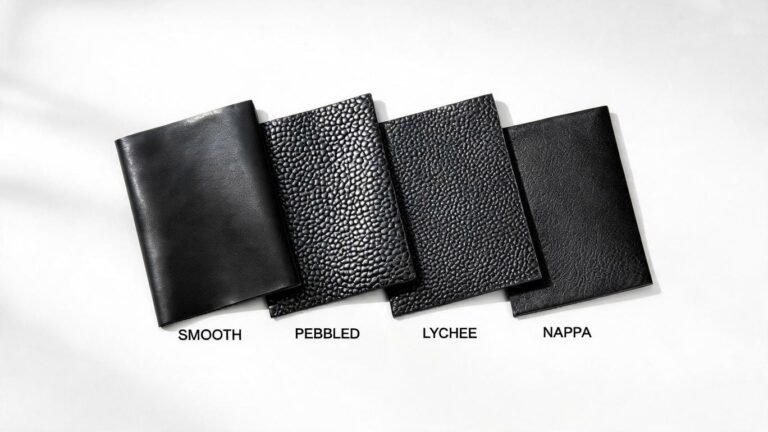
Black lychee-texture silicone leather — the grain pattern and surface consistency that affects die-cutting precision
In our production, we specify ±0.05mm thickness tolerance for die-cut applications. That is tighter than the industry standard of ±0.1mm because the cost of scrap from loose tolerances — material waste, machine downtime, labor for sorting — always exceeds the cost of tighter production control. When sourcing black leather pieces for manufacturing, ask your supplier what their thickness tolerance is. If they cannot answer with a specific number, they have not measured it.
Silicone vs PU vs Genuine: How Material Affects Cutting Performance
The material you choose for black leather pieces determines not just the final product’s performance but the manufacturing process itself. Cutting behavior, edge quality, and waste rates vary significantly between material types:
| Property | Silicone Leather | PU Leather | Genuine Leather |
|---|---|---|---|
| Die-cut edge quality | Clean, no fraying | Clean (if topcoat intact) | May require edge sealing |
| Thickness range | 0.6–2.0mm | 0.5–2.5mm | 1.0–3.0mm (variable) |
| Color fastness (ISO 105-X12) | Class 5 | Class 3–4 | Class 3–4 |
| Cutting yield (typical) | 92%+ | 85–88% | 70–80% (hide shape) |
Silicone leather’s advantage in die-cutting comes from its uniform thickness and consistent surface density. Unlike genuine leather, which has natural variations across the hide (the belly is thinner than the backbone), silicone leather is engineered to a controlled specification. Unlike PU, which can delaminate at the cut edge when the topcoat is compromised, silicone’s integral polymer structure stays intact.

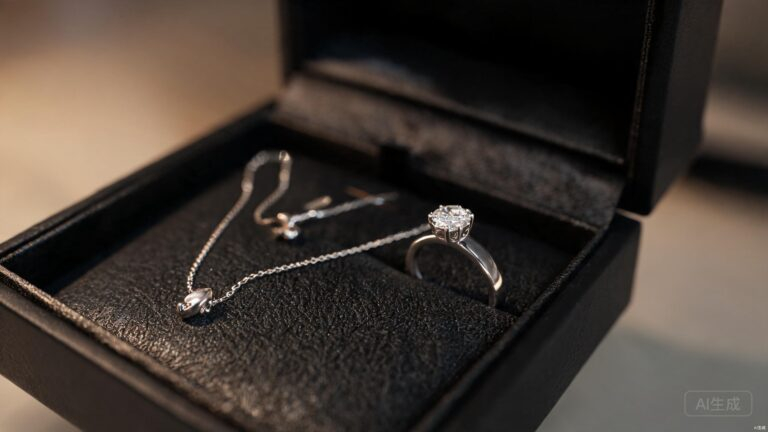
Stack of black and contrasting lychee-texture leather pieces — color consistency and uniform thickness across batches
For a deeper understanding of how the material is structured, our silicone leather introduction covers substrate options, coating chemistry, and how each affects cutting performance.
Color Stability and UV Resistance in Black Leather
Black leather pieces color fastness UV resistance is the specification that most often causes post-delivery disputes. Buyers receive material that looks perfect in the factory, then discover fading or color shift after 3–6 months of display under retail lighting or sunlight exposure. The problem isn’t that the leather was defective — it’s that color fastness was never specified.

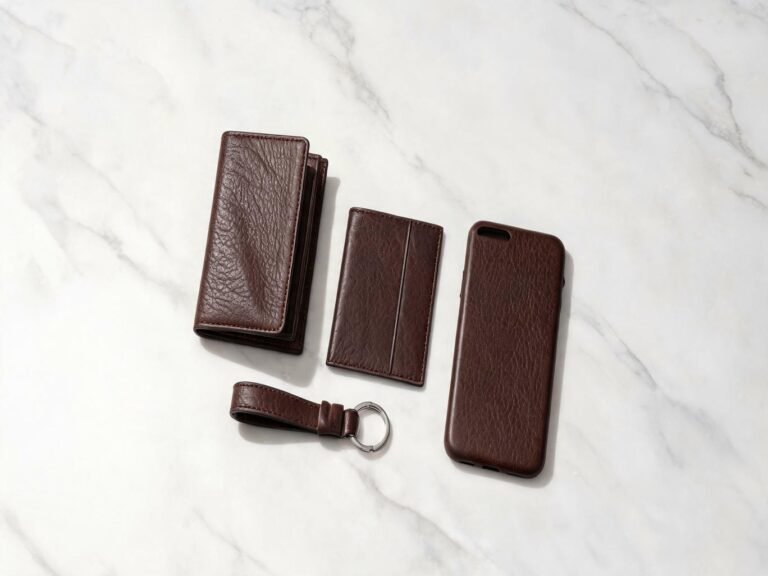
Leather material texture closeup — surface quality affects both visual consistency and die-cutting edge finish
TOPSUN silicone leather achieves ISO 105-X12 color fastness to rubbing at Class 5 — the highest rating. Color fastness to light (ISO 105-B06) reaches Class 4.5. This means the black stays black after 1,500 hours of UV exposure testing per ASTM D329-05 (QUV). For genuine leather and PU, achieving Class 4 requires expensive dye formulations and UV stabilizers that many suppliers skip to reduce cost.
Specification tip: Always include color fastness requirements in your purchase spec: “ISO 105-X12 rubbing Class 5, ISO 105-B06 light Class 4+.” These are measurable, testable properties — not subjective opinions about color quality. Per ASTM International testing protocols, UV stability is quantifiable and verifiable.
See the range of textures and surface finishes available for black leather pieces — from smooth to lychee grain
Maximizing Cutting Yield From Black Leather Pieces
Cutting yield — the percentage of raw material that becomes usable pieces versus waste — is where material choice translates directly to cost. A 92% yield means 8% of your material spend is scrap. An 80% yield means 20% is scrap. On a 10,000-yard order at $12/yard, the difference is $14,400 in wasted material.
Three factors drive cutting yield for die cut black leather pieces specifications: material uniformity, nesting efficiency, and thickness consistency. Silicone leather excels on all three. Its roll-format production ensures uniform width and consistent thickness — no hide-shape waste like genuine leather, no coating thickness variation like PU. Nesting efficiency improves because the material lies flat without curling, allowing tighter pattern placement.
- Specify tolerance: ±0.05mm thickness for die-cut applications. Tighter than industry standard, but achievable with silicone leather’s controlled production.
- Request yield data: Ask the supplier for typical cutting yield percentages for your part geometry. A supplier who knows their material will have this data.
- Test nest before bulk order: Have the supplier run a nesting simulation with your actual pattern. This reveals true material usage before you commit to volume.
For detailed guidance on tolerance specifications, our die-cut leather tolerance guide covers measurement methods, acceptance criteria, and how to write tolerance clauses into purchase orders. The faux leather sheet performance analysis provides comparative data across material types.
Frequently Asked Questions
What thickness options are available for black leather pieces?
TOPSUN silicone leather is available in thicknesses from 0.6mm to 2.0mm, with custom thicknesses available on request. For die-cutting applications, the most common specifications are 0.8mm (accessories, trims), 1.0mm (shoe uppers, bag panels), and 1.2mm (furniture accents, automotive trim). Thickness tolerance is ±0.05mm for die-cut applications, tighter than the ±0.1mm industry standard. Browse our product collections for available options.
How is cutting yield calculated for leather piece production?
Cutting yield = (total area of usable pieces ÷ total material area used) × 100. For roll-format materials like silicone leather, yield is typically 90–95% because the uniform surface allows tight nesting without defects. For genuine leather hides, yield drops to 70–80% because the irregular hide shape creates unavoidable waste. Yield directly affects your per-piece cost — a 92% yield means 8% lower effective material cost than an 84% yield at the same unit price.
Specify Tighter, Cut Smarter, Waste Less
The difference between a profitable production run and one that bleeds margin often comes down to specifications that were never written down. Black leather pieces sourced with vague specs — “black, leather-like, 1mm” — produce predictable problems: color mismatch, tolerance drift, and 15% scrap rates. The same pieces sourced with measurable thresholds — “silicone leather, 1.0mm ±0.05, ISO 105-X12 Class 5, 92%+ yield” — produce consistent, profitable production.
Silicone leather’s advantage in black leather pieces is that it is engineered to specification. Every roll meets the same thickness, color, and surface standards — which means every die-cut piece meets the same standards. When your supplier can guarantee ±0.05mm tolerance and Class 5 color fastness, your production planning becomes predictable instead of hopeful.
Request Black Leather Piece Samples
About TOPSUN
TOPSUN supplies precision die-cut and roll-format black leather pieces for footwear uppers, automotive interior trim, furniture accents, and fashion accessory components to OEM manufacturers worldwide.
Thickness range 0.6–2.0mm with ±0.05mm tolerance · ISO 105-X12 color fastness Class 5 · Martindale abrasion 150,000+ cycles · UV stability ASTM D329-05 1,500 hours · custom die-cutting and texture embossing available