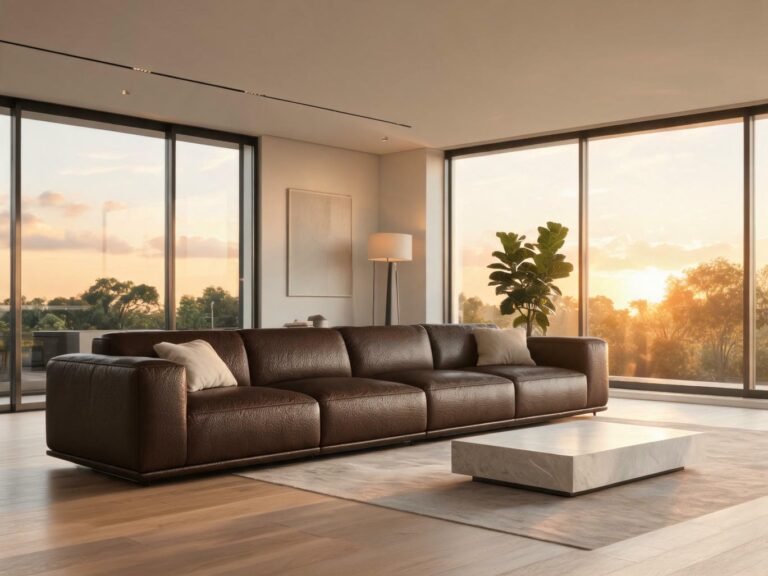
A furniture designer we work with specified bison leather for a 60-unit luxury hotel lobby project. The material’s marketing was compelling — “30% thicker and stronger than cowhide,” “will last a lifetime.” Eighteen months later, the hotel was spending $4,200 annually on professional leather conditioning, and three sofas had developed irreversible water stains from guest spills. The bison leather sofa looked magnificent on day one. The maintenance reality told a different story.
If you’re evaluating a bison leather sofa against synthetic alternatives for commercial or high-end residential projects, the strength claims are real — but they’re only half the conversation. This comparison examines what bison leather actually delivers, what it demands in return, and how silicone leather matches the performance metrics that matter most for furniture upholstery while eliminating the maintenance burden that makes bison leather impractical for many B2B applications.
What Makes a Bison Leather Sofa Sound Impressive
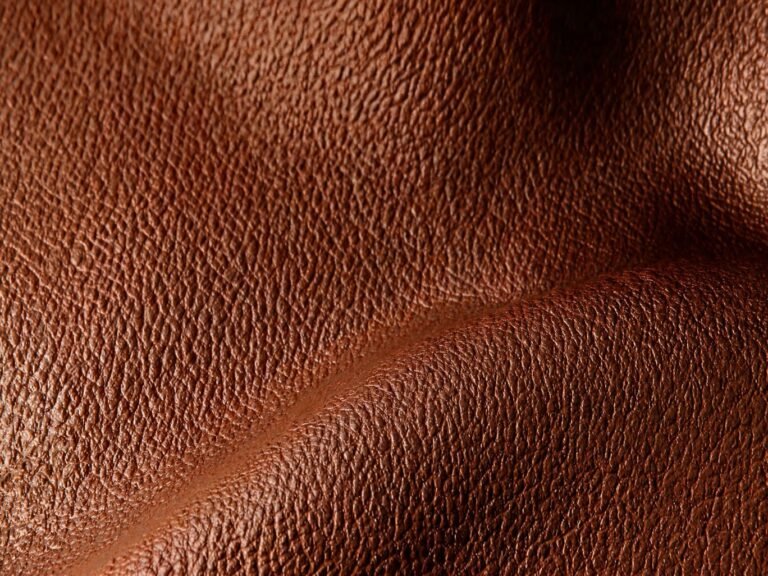
Bison leather comes from American bison hides, a byproduct of the meat industry. The material has genuine structural advantages over standard cowhide. According to the Buffalo Leather Store, bison hide fibers are thicker and more widely spaced than cowhide, giving the material roughly 30% greater thickness and tensile strength. The hides develop a rich patina over time, becoming more supple with use — a characteristic that luxury furniture brands like Fredericia have leveraged for decades in designer pieces like the Børge Mogensen Model 2323.
For a bison leather sofa, these properties translate into a material that resists tearing, feels substantial, and carries a heritage narrative that resonates with premium buyers. But the same fiber structure that provides strength also creates vulnerabilities that manufacturers rarely highlight in their marketing materials.
| Property | Bison Leather | Silicone Leather |
|---|---|---|
| Tensile strength vs cowhide | ~30% stronger | 18–25 N/mm² (3×+ PU) |
| UV resistance | Poor — fades in sunlight | 1,500+ hours |
| Conditioning required | Annual, professional-grade | None |
| Water stain risk | High — permanent marks | Immune — wipes clean |
| Hide size (for large sofas) | ~30 sq ft per hide | Roll-based, unlimited length |
| Raw material cost vs cowhide | 3–4× higher | Premium but lower TCO |

Tensile strength testing quantifies what “40% stronger” actually means — and reveals where strength alone falls short.
The Hidden Cost of a Bison Leather Sofa: Maintenance Reality
The maintenance demands of a bison leather sofa are where the material’s value proposition starts to erode for commercial applications. Bison leather is a natural, porous material. It absorbs moisture — not just water but body oils, food spills, and environmental humidity. Without annual conditioning using specialized leather conditioners, the hide dries out, cracks, and loses the suppleness that made it attractive in the first place.
The care guidelines for bison leather read like a list of prohibitions: avoid direct sunlight, avoid harsh chemicals, avoid furniture polish, avoid ammonia, avoid detergents, avoid solvents, avoid silicones, avoid oils. Spills must be cleaned immediately with mild soapy water and a woolen cloth — not cotton, not microfiber, woolen. In a residential setting with careful owners, this is manageable. In a hotel lobby, restaurant, or any commercial environment where guests exist, it’s a liability.
Compare this to silicone leather upholstery. Spills wipe off with a damp cloth. Coffee, ink, and wine clean up with water alone. Alcohol-based disinfectants — which would destroy bison leather’s finish — are safe for routine sanitation. No conditioning, no special cleaners, no annual service contract. For a deeper look at why this matters in commercial settings, this furniture durability comparison breaks down the lifecycle costs.

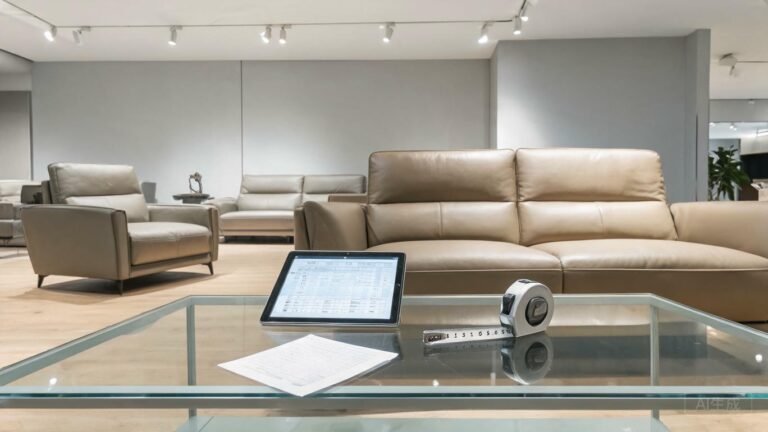
Genuine leather sofas offer aesthetic appeal but demand maintenance regimes impractical for most commercial environments.
Bison Leather Sofa Durability vs Silicone: What the Tests Show
Bison leather’s durability claim rests on tensile strength — its resistance to tearing. That’s a real advantage, but tensile strength is not the only durability metric that matters for sofa upholstery. In commercial furniture, the failure modes are abrasion, UV degradation, hydrolysis, and staining — areas where natural bison leather underperforms.
Silicone leather, by contrast, is tested against specific industry standards. It exceeds 10,000 Taber abrasion cycles — a test PU leather fails before 3,000. It survives 100,000 flex cycles without cracking, resists UV exposure for 1,500+ hours, and shows no delamination after 14+ weeks of hydrolysis testing under ASTM D3690. These are quantified, third-party-verified results from SGS and Intertek. A bison leather sofa’s “will last a lifetime” claim has no equivalent test data behind it — it’s a qualitative assertion based on the material’s general reputation, not on standardized testing of the specific hide used in your furniture.
For B2B buyers who need to justify material selection to stakeholders, the difference between “it’s known to be durable” and “here’s the SGS test report showing 100,000 flex cycles” is the difference between an opinion and a specification. Our technical data sheet provides the full parameter list for furniture-grade silicone leather.

Scratch resistance testing simulates years of daily use — data that natural leather suppliers rarely provide.
Stain resistance demonstration — why silicone leather eliminates the cleaning protocols bison leather requires.
The Sourcing Problem: Why Bison Leather Sofa Production Hits a Wall
Beyond performance, there’s a structural sourcing issue with bison leather that affects any B2B furniture project. The average bison hide yields about 30 square feet of usable leather, sourced from animals that are 2–3 years old. A standard three-seat sofa requires 200–300 square feet of leather. That means each sofa consumes 7–10 hides, and color matching across that many hides is inherently inconsistent — natural variation in hide color and grain texture makes uniform appearance nearly impossible.
For a commercial project ordering 60 sofas, you need 420–600 hides from a limited supply of ethically sourced American bison. U.S. bison hides already cost 3–4 times more than standard cowhides due to lower yield per animal and stricter culling standards. The supply simply doesn’t scale the way synthetic materials do. Silicone leather, by contrast, is produced in roll-based formats with custom color matching across batches of 2,400+ meters demonstrated in production — every sofa in a 60-unit order is color-identical. For more on how this affects large-scale furniture procurement, see our furniture and sofa application guide.

Roll-based silicone leather production ensures color consistency across entire commercial furniture orders.
5-Year Cost: Bison Leather Sofa vs Silicone Leather
The upfront cost of a bison leather sofa is undeniably higher — bison hides cost 3–4× cowhide, and limited supply drives premium pricing. But the real cost differential emerges over five years of ownership:
| Cost Factor (5-Year, Per Sofa) | Bison Leather | Silicone Leather |
|---|---|---|
| Material cost (premium) | $$$ (3–4× cowhide) | $$ (premium synthetic) |
| Annual conditioning | $400–$700/year | $0 |
| UV damage replacement risk | High (sun-exposed areas) | None (1,500+ hrs rated) |
| Stain remediation | Professional service | Damp cloth |
| Color consistency (60-unit order) | Inconsistent (natural hide variation) | Uniform (batch-matched) |
Over five years, a bison leather sofa in a commercial setting accumulates $2,000–$3,500 in maintenance costs per unit — before accounting for UV damage replacement. Silicone leather’s five-year maintenance cost is zero.
When Bison Leather Still Makes Sense
This isn’t a case where bison leather is inherently bad. For a private residential library with careful owners, no direct sunlight, and an appreciation for patina development, a bison leather sofa remains a legitimate choice. The material’s heritage narrative, its connection to American regenerative agriculture, and its tactile uniqueness are genuine values that synthetic materials don’t replicate.
But for B2B furniture procurement — hotels, restaurants, corporate lobbies, luxury developments — the calculation is different. Commercial environments need materials that maintain their appearance under unpredictable use, require minimal maintenance protocols, and deliver consistent appearance across large orders. For those applications, silicone leather delivers the durability bison leather promises, without the maintenance burden it demands.
Frequently Asked Questions
Is bison leather better than silicone leather for a sofa?
It depends on the application. Bison leather offers superior tensile strength and develops a unique patina, making it ideal for residential settings with careful maintenance. Silicone leather offers quantified durability (100,000+ flex cycles, 1,500+ hours UV resistance), zero maintenance, and color consistency across large orders — making it superior for commercial and high-traffic environments.
How much does a bison leather sofa cost to maintain?
Annual conditioning costs $400–$700 per sofa for professional-grade treatment. Additional costs include specialized cleaners, professional stain remediation for spills, and eventual re-upholstery if UV damage or cracking occurs. Over five years, maintenance alone can add $2,000–$3,500 per unit to the total cost of ownership.
About TOPSUN
TOPSUN manufactures silicone leather for furniture, automotive, and marine upholstery applications where B2B buyers require quantified durability data — not qualitative claims. Every production batch carries SGS-verified test reports for Martindale abrasion, flex endurance, UV resistance, and hydrolysis stability.
Roll-based production supports custom color matching across orders of 2,400+ meters, ensuring appearance consistency that natural bison leather cannot deliver for commercial-scale furniture projects.