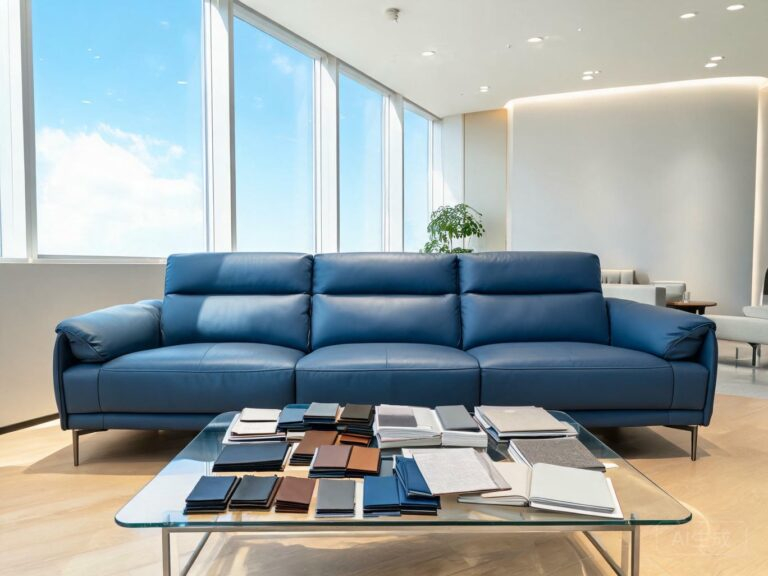
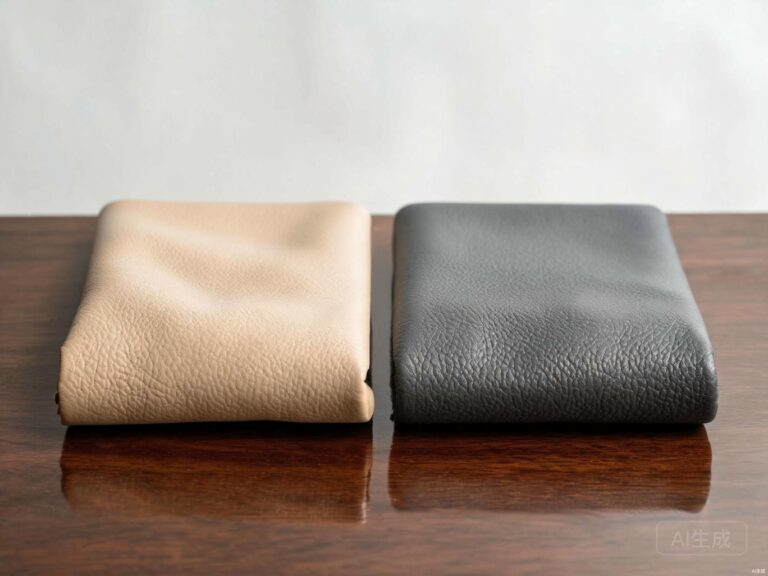
In our lab, we run the same Martindale abrasion test on every artificial leather fabric sample that crosses the bench. Most PU grades tap out between 10,000 and 30,000 cycles — the surface goes glossy, then flakes. One grade keeps spinning past 200,000 without a visible scratch, and it is not the one most buyers spec first. If you are sourcing coated fabrics for upholstery, automotive interiors, or contract furniture, that gap matters more than the unit price on a swatch card.
What Counts as Artificial Leather Fabric in 2026?
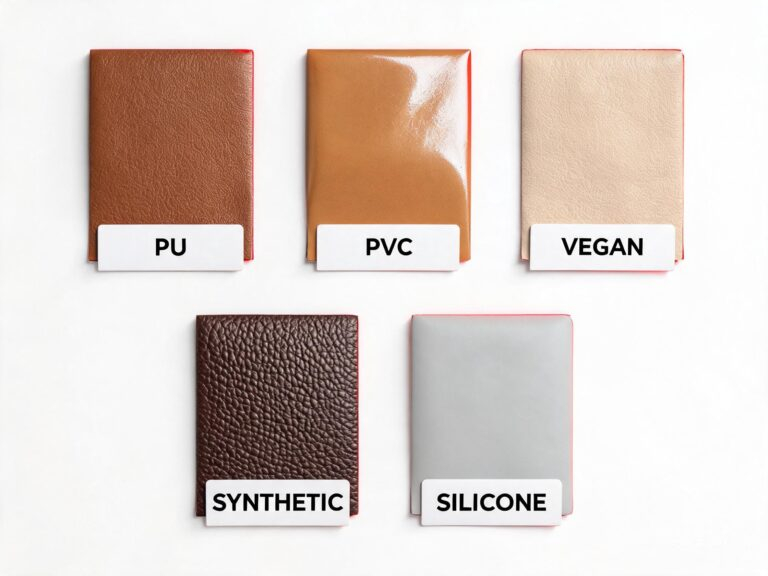
Artificial leather fabric is any textile substrate — typically polyester, cotton, or a microfiber blend — coated with a polymer layer that mimics the look and hand of genuine hide. The coating chemistry is what separates the grades, and in 2026 the market has narrowed to five families that matter for B2B procurement: PVC, solvent-based PU, water-based PU, microfiber, and silicone-coated. The global synthetic leather market sat at roughly $6.19 billion in 2023, with premium segments growing at 14% CAGR while traditional leather crawls along at 3.8% [$TRAE_REF](https://topsunsiliconeleather.com/news/synthetic-leather-vs-genuine-leather/). That growth is not random. It is driven by buyers who got burned by hydrolysis failures, VOC complaints, and phthalate recalls — and who now spec by test standard, not by catalogue photo.

Physical testing lab where every artificial leather fabric grade is benchmarked against ISO standards.
The 5 Material Grades Ranked by Real Test Data
Here is where most sourcing guides go vague — they list “pros and cons” without a single number. We pulled the actual abrasion, hydrolysis, and VOC data from our test logs and laid the five grades side by side. The spread is wider than most procurement teams expect. The table below covers the four metrics that actually predict field failure on upholstery and automotive applications.
| Material Grade | Abrasion (Martindale) | Hydrolysis Resistance | VOC Emission | Service Life |
|---|---|---|---|---|
| PVC | 15,000–30,000 | Poor (plasticizer leaches) | High (phthalates) | 3–5 years |
| Solvent PU | 10,000–30,000 | Moderate (cracks in humidity) | Moderate (DMF residue) | 4–6 years |
| Water-based PU | 20,000–40,000 | Good | Low | 5–8 years |
| Microfiber | 30,000–60,000 | Good | Low–Moderate | 6–9 years |
| Silicone-coated | 200,000+ | Excellent (no breakdown) | Zero (solvent-free) | 10+ years |
Silicone-coated artificial leather fabric delivers 6–20x the abrasion life of PU or PVC, with zero VOC and no hydrolysis degradation. The trade-off is a 15–30% higher upfront unit cost — recovered within 3 years on replacement-cycle math.

Martindale abrasion tester — the machine that separates a 30K-cycle grade from a 200K-cycle grade.
Where PU, PVC, and Silicone Leather Fabric Fail First
Knowing the failure mode is more useful than knowing the spec sheet. PVC leather fabric fails through plasticizer migration — the surface turns stiff and cracks at the stress points, usually within 3–5 years, faster in UV-exposed settings. Solvent-based PU fails through hydrolysis: the polyurethane backbone breaks down in humid environments, and we have seen samples delaminate after 18 months in tropical-climate upholstery. One of our furniture clients in Southeast Asia replaced three batches of PU sofa covers in four years before switching — the switch cut their replacement cycle from 18 months to a projected 10+ years.
Silicone-coated fabric fails differently. The silicone polymer does not hydrolyze, does not plasticizer-leach, and maintains flexibility from -40°C to 250°C. The realistic failure point is mechanical — sharp puncture or seam stress well beyond normal upholstery load. For a deeper breakdown of the chemistry gap, our silicone vs PU comparison walks through the molecular-level differences. The point for procurement: if your end-use involves humidity, disinfectant cleaning, or temperature swings, PU and PVC are not just “lower performance” — they are the wrong material class.

Silicone-coated artificial leather fabric — the texture grade that holds up past 200K abrasion cycles.
Watch silicone-coated fabric outlast PU and PVC across abrasion, waterproof, and stain tests.
How to Specify Artificial Leather Fabric That Lasts
Specifying well means translating end-use conditions into test-standard requirements, then demanding the data sheet. Start with these four questions before you issue a PO:
- What is the expected wear cycle? Contract furniture and automotive seats need 100,000+ Martindale (ISO 12947-2). Residential upholstery can accept 30,000+. If a supplier cannot produce the test report, assume 15,000.
- Will the surface see humidity or liquid disinfectant? Medical, marine, and tropical-climate applications demand hydrolysis resistance per ISO 11507. PU fails here — silicone and microfiber pass.
- Is there a VOC or indoor-air-quality mandate? EU E1 (EN 717-1) and zero-VOC (ISO 16000-6) limits apply to furniture, automotive cabins, and children’s products. Solvent PU carries DMF residue; silicone is solvent-free.
- What certifications must the material carry? Automotive needs EN 13773 flame retardancy. Medical and food-contact surfaces need ISO 10993 biocompatibility. Children’s goods require REACH and PAHs compliance. Ask for the certificate, not the claim.
One frequent question: is silicone-coated fabric just “premium PU”? No. The coating is a silicone resin, not a polyurethane — different polymer backbone, different failure mode, different test results. The silicone vs PU vs PVC breakdown covers the full property matrix if your engineering team needs the comparison on paper.
Frequently Asked Questions
Is all artificial leather fabric the same material?
No. The term covers at least five distinct coating chemistries — PVC, solvent PU, water-based PU, microfiber, and silicone — each with different abrasion, hydrolysis, and VOC profiles. Treating them as interchangeable is the most common sourcing mistake we see.
Why does silicone-coated fabric cost more than PU?
Silicone resin raw material runs 15–30% above polyurethane, and the solvent-free coating process requires higher-temperature curing equipment. But the 200K+ abrasion life and 10+ year service span means fewer replacements — on total cost of ownership, silicone wins within 3 years for high-wear applications.
The Spec That Saves Three Replacement Cycles
The procurement teams that win on artificial leather fabric are the ones who stop shopping by swatch color and start shopping by Martindale cycle count. A 200,000-cycle silicone-coated grade at a 20% price premium beats a 25,000-cycle PU grade on total cost within three years — and that is before you factor in the warranty claims, VOC compliance, and hydrolysis failures that PU generates in the field. Specify by the test standard, demand the data sheet, and source the material class that matches your failure risk. If your application involves wear, humidity, or indoor air requirements, the math points one direction.
About TOPSUN
TOPSUN manufactures solvent-free silicone-coated artificial leather fabric for automotive interiors, contract furniture upholstery, and medical equipment surfaces. Our coating line produces grades tested to 200,000+ Martindale cycles with a -40°C to 250°C operating range.
ISO 10993 biocompatibility · REACH & PAHs compliant · Zero VOC (ISO 16000-6) · EN 13773 flame retardant · 500m MOQ · 7–15 day lead time