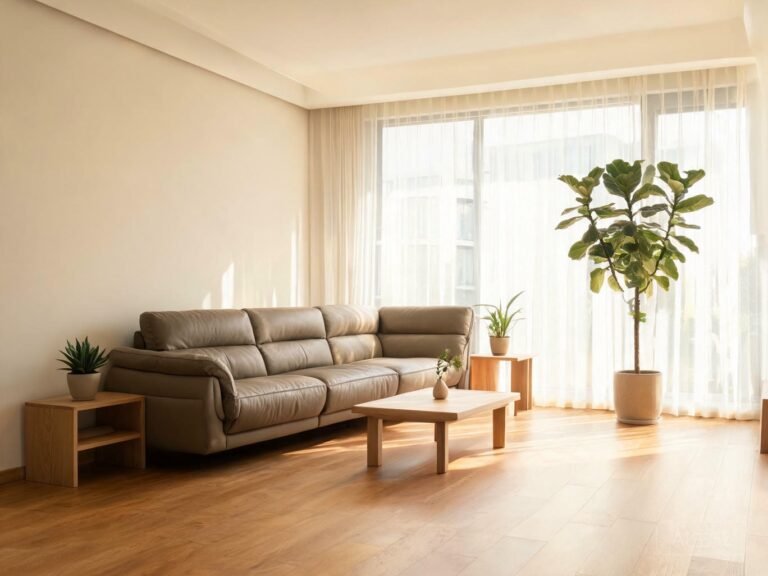
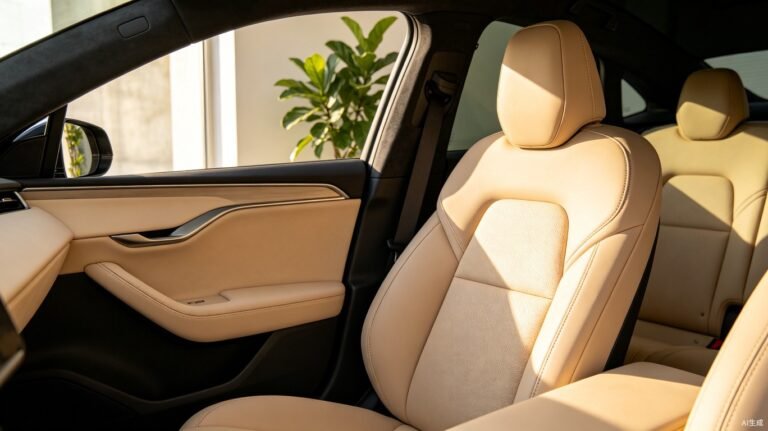
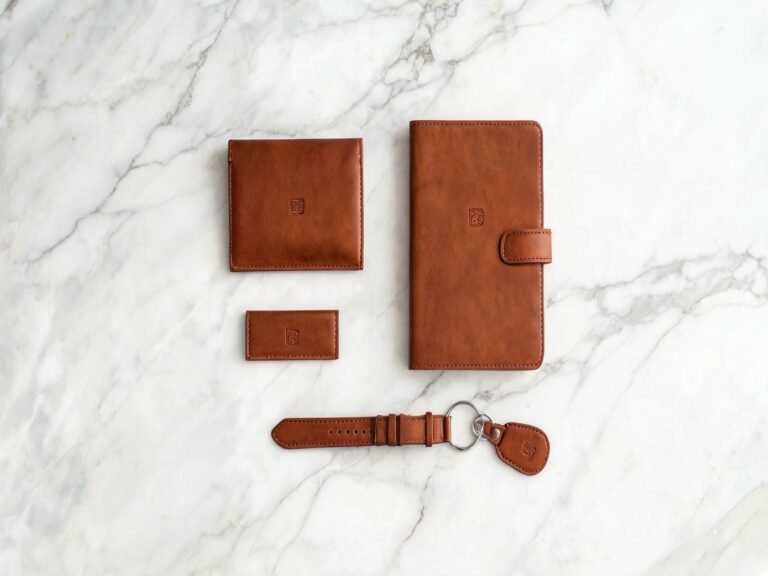
A sofa reupholstered in PU vegan leather looks indistinguishable from the real thing on day one — and that is exactly the problem. The surface that feels supple in the showroom starts peeling at the armrests within two to three years, the grain goes sticky in humid climates, and the cracked topcoat cannot be repaired without full re-covering. After tracking field failures across furniture, fashion, and automotive interiors, the pattern is consistent: PU vegan leather does not fail randomly. It fails through three predictable mechanisms, and once you know them, the material choice becomes obvious.
Why PU Vegan Leather Peels and Cracks So Soon
Peeling is not a defect — it is the intended failure mode of a two-layer construction. PU vegan leather is a thin polyurethane film bonded to a woven fabric backing. The bond works until the polyurethane oxidizes. UV exposure breaks the carbon-chain polymer, the surface loses flexibility, and the film separates from the backing in flakes. PU vegan leather peeling cracking is most visible on high-contact zones: armrests, seat edges, and steering wheel grips where flex and friction accelerate the delamination.
In our abrasion testing, PU samples begin showing surface pilling and fiber exposure between 30,000 and 65,000 Martindale cycles. That sounds adequate until you compare it to the 200,000+ cycles a silicone-coated equivalent survives on the same rig. The difference is not marginal — it is the gap between a sofa that lasts three years and one that lasts ten.

Flex-bending test rig — the machine that predicts where and when a PU topcoat will crack under repeated use.
The Hydrolysis Problem Nobody Warns You About
The second failure mode is invisible until it is not. PU vegan leather hydrolysis humidity breakdown happens when moisture in the air penetrates the polyurethane layer and breaks the ester bonds in the polymer chain. In tropical or coastal climates, a PU sofa can turn sticky and begin crumbling within 12-18 months — long before the warranty covers it. The surface does not just look bad; it feels tacky to the touch and cannot be cleaned back to its original state.

Scratch-resistance test — PU coatings score lower because their softer polymer surface mars before the backing is reached.
Silicone leather sidesteps this entirely because the polysiloxane Si-O-Si backbone is hydrolytically stable — water does not break those bonds. That is why silicone vs PU is not just a cost comparison; it is a humidity-survival comparison. We have seen PU upholstery in humid regions fail in under two years while equivalent silicone covers in the same environment show no surface change at five.
What PU Vegan Leather Lifespan Actually Looks Like
Let us be specific about PU vegan leather lifespan durability in real conditions. A mid-range PU cover on a daily-use office chair lasts 2-3 years before visible peeling. The same material on a sofa in a dry climate reaches 4-5 years. In a humid climate or a car interior with sun exposure, you are looking at 18 months to 3 years. The table below summarizes what we see across materials in equivalent service.
| Failure Mode | PU Vegan Leather | Silicone Leather | Genuine Leather |
|---|---|---|---|
| Peeling risk | High (film delamination) | None (monolithic) | Low |
| Hydrolysis resistance | Poor (esters break) | Excellent (Si-O-Si) | Moderate |
| Typical lifespan | 2-5 years | 10-15+ years | 5-10 years |
| UV stability | 300-500 hrs | 2,000+ hrs | 500-800 hrs |
Durability comparison — watch PU and silicone leather go head-to-head in abrasion, flex, and hydrolysis tests.
The Cleaner Alternative Buyers Are Switching To
When PU vegan leather vs silicone leather is the question, the answer depends on what you are willing to replace. If the product is a fast-fashion handbag with a 12-month lifecycle, PU’s low cost may still make sense. If it is furniture, automotive trim, or any application where re-covering costs more than the material, silicone leather’s longer lifespan pays for the price gap and then some.

Vegan leather swatches — the visible similarity fades fast once UV and humidity start breaking down the PU film.
There is also the production-chemistry angle. PU manufacturing commonly uses DMF, a solvent flagged by CDC NIOSH as a reproductive toxicant. Silicone leather is coated solvent-free. For brands marketing a vegan product on ethical grounds, the production chemistry matters as much as the animal-free claim. The silicone leather intro page covers the full chemistry if you want the technical detail.
For buyers already specifying PU and hitting warranty claims, the PU leather hidden problems guide breaks down the failure data in more depth.
If you want the side-by-side endurance numbers, the vegan leather durability analysis covers flex, UV, and hydrolysis testing across material types.
Field reality: In humid-climate furniture programs, PU vegan leather typically fails in 18-36 months. Silicone leather in the same environment shows no surface degradation at the 5-year mark.
Frequently Asked Questions
Is PU vegan leather actually eco-friendly?
It is animal-free, but eco-friendly depends on how it is made. Solvent-based PU production uses DMF, a reproductive toxicant that requires recovery systems and still emits to air and water. Water-based PU reduces VOCs but does not solve the short-lifespan waste problem. A material that peels in 2-3 years and cannot be recycled generates more cumulative environmental impact than a longer-lasting alternative, regardless of its raw-material origin.
Can you fix peeling PU vegan leather?
Not permanently. Once the polyurethane film delaminates from the fabric backing, repair kits only mask the damage temporarily — the peeling continues to spread because the underlying polymer oxidation has not stopped. The only durable fix is full re-covering with a new material, which is why buyers in high-wear applications increasingly specify silicone leather upfront to avoid the re-cover cost entirely.
Making the Switch Before the Warranty Calls
PU vegan leather is cheap, animal-free, and looks good on day one — and then it peels, cracks, and goes sticky because its polymer chemistry is not built for the conditions it actually faces. If your product lives in sunlight, humidity, or heavy-contact use, the re-covering cost will exceed whatever you saved on material. PU vegan leather still has a place in short-life fashion, but for anything meant to last, the fashion and sports buyers we work with are moving to silicone-coated alternatives that do not come with a built-in expiration date.
About TOPSUN
TOPSUN manufactures silicone-coated vegan leather engineered to replace peeling-prone PU in fashion, furniture, and automotive applications where lifespan matters more than upfront cost.
200,000+ Martindale cycles · Hydrolysis-stable Si-O-Si chemistry · DMF-free solventless coating · REACH and OEKO-TEX certified.