When B2B buyers evaluate fabric and upholstery for commercial furniture, the conversation usually stops at a single number: the Martindale rating. That’s a mistake. In our testing lab, we’ve watched polyester velvet score 40,000 cycles on the abrader yet flatten and pill within 18 months of hotel-lobby service. The headline rub count tells you nothing about cleanability, stain callbacks, or how the surface holds up under repeated chemical cleaning. If you’re sourcing upholstery fabric for high-traffic environments, four specs matter more than the one everyone quotes — and one of them explains why silicone-coated upholstery outlasts woven textiles by years.
Request Free Upholstery Samples
What “Fabric and Upholstery” Really Means in B2B Specs
The phrase fabric and upholstery covers a wide category: woven textiles like cotton, linen, wool, and polyester; engineered performance fabrics such as Crypton and Sunbrella; coated fabrics including PU and PVC; and increasingly, silicone-coated fabric. For procurement teams, the category label matters less than the performance tier behind it. Residential-grade upholstery fabric often ships at 15,000–30,000 Martindale cycles, while commercial contract grade starts at 30,000 and premium surfaces exceed 50,000. The problem is that spec sheets rarely separate these tiers clearly, so two products carrying the same “commercial” tag can perform nothing alike.

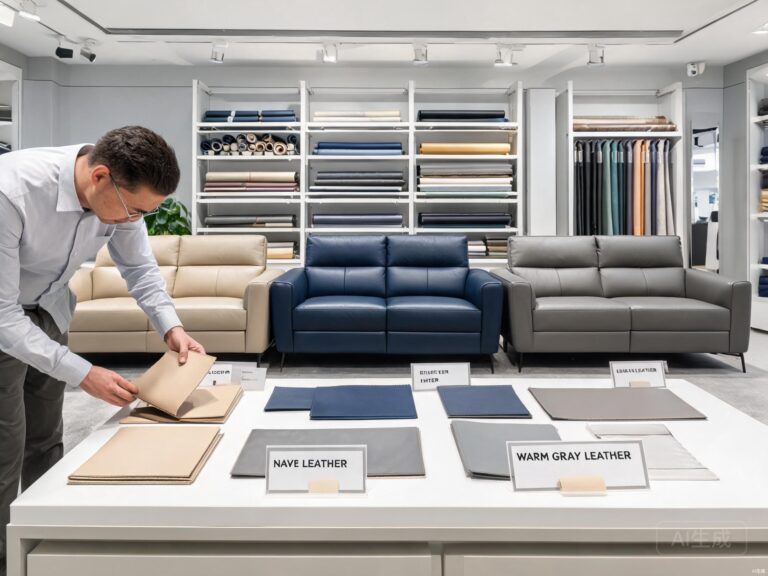
Physical testing lab where Martindale abrasion and tensile specs are verified before release.
The Martindale Trap: Why 30,000 Cycles Isn’t Enough
Here’s the thing — 30,000 Martindale cycles is the published floor for contract fabric, and it’s also exactly where most suppliers stop testing. Real commercial use combines dry abrasion with moisture, UV exposure, and daily chemical cleaning. A textile that passes Martindale in a dry lab can still fail in under two years when housekeeping hits it with solvent every morning. The rating measures one failure mode; furniture dies from several at once. When we benchmark traditional silicone vs PU and woven fabric under combined stress, the gap between “passes 30,000 cycles” and “survives five years” is enormous.
| Material | Martindale Rating | Stain Callback Rate | Commercial Lifespan | Cleaning Code |
|---|---|---|---|---|
| Cotton velvet | 15,000–25,000 | High | 1–2 years | S |
| Polyester velvet | 30,000–45,000 | Medium | 2–3 years | WS |
| Performance fabric (Crypton-type) | 50,000+ | Low | 3–5 years | W |
| Silicone-coated upholstery | 100,000+ | Near-zero | 5–8 years | W |
Fabric and Upholstery: Why Silicone Leather Hits 100K+ Cycles
Silicone-coated fabric isn’t a woven textile in the traditional sense — it’s a silicone elastomer bonded to a base fabric, so the silicone surface takes the abrasion, not the fiber. That structural difference is why it clears 100,000+ Martindale cycles and shrugs off the moisture, UV, and solvent that unravel woven fabric. For high-traffic applications like furniture sofa upholstery in hotels, cinemas, and senior living, that means fewer reupholstery cycles and a lower total cost over the furniture’s life. One of our hospitality clients swapped polyester velvet for silicone-coated upholstery across a 120-room refurbishment; after three years, not a single panel had been replaced for pilling or staining.

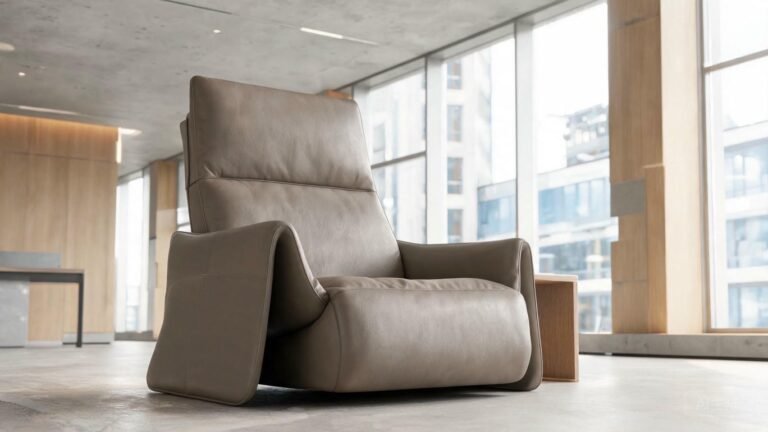
Silicone-coated upholstery swatches in production-ready colors, verified for commercial durability.
Cleaning Codes and Stain Resistance: The Hidden TCO Driver
The cleaning code printed on the back of every upholstery swatch — W, S, WS, or X — drives total cost of ownership more than the per-yard price ever will. W-cleanable surfaces survive daily water-based wiping, which is what housekeeping actually does. S-only fabrics require solvent and specialist crews, and X means vacuum-only, which is unusable in any environment where spills happen. Stain callbacks cost more than the original fabric, and they’re the line item that quietly erodes hospitality margins. If you want to understand why untreated faux leather furniture durability and woven textiles both struggle here, follow the cleaning code.
Performance fabric jobs generate roughly 90% fewer stain callbacks than untreated textiles — and silicone-coated upholstery, cleanable with just soap and water, pushes that figure even lower because the surface doesn’t absorb at all.

Inspection station verifying coating uniformity and surface cleanability before shipment.
4 Specs to Put on Every B2B Upholstery Purchase Order
If you take one thing from this, make your purchase orders specific. Vague “commercial grade” language is how buyers end up replacing fabric in 18 months. Put these four lines on every upholstery PO and ask suppliers to prove each one with a test report, not a brochure claim:
- Martindale rating ≥ 50,000 cycles for commercial environments — demand the actual test certificate, and ask whether it was run dry or under combined conditions.
- Cleaning code W or WS only — anything requiring solvent (S) or vacuum-only (X) is a maintenance liability in high-traffic settings.
- Low-VOC certification — look for OEKO-TEX or equivalent; furniture standards bodies like BIFMA increasingly tie indoor air quality to material selection.
- Stain resistance verified, not claimed — request the stain-recovery test data, not a marketing word. Silicone-coated upholstery should show near-zero absorption.
These four specs shift the conversation from “does it feel nice?” to “will it still be in service in year five?” For a deeper look at how silicone leather is engineered to clear every one of them, our technical introduction breaks down the chemistry and test data behind the numbers.
Frequently Asked Questions
What Martindale rating should I specify for commercial fabric and upholstery?
Minimum 30,000 cycles for low-traffic contract use; 50,000+ for lobbies, restaurants, and transit seating. Silicone-coated upholstery typically exceeds 100,000 cycles and is the safer spec when daily cleaning frequency is high, because the rating reflects combined-stress performance, not just dry abrasion.
Is silicone leather classified as fabric or leather in upholstery specs?
It’s a coated fabric — a silicone elastomer bonded to a textile base — so it carries fabric specifications like Martindale rating, weight, and roll width, while delivering leather-class cleanability and lifespan. On a B2B spec sheet it sits in the coated-fabric category, not the woven-textile category.
Making the Right Fabric and Upholstery Call
The single Martindale number everyone quotes is the least reliable predictor of how long your fabric and upholstery will actually last in service. Combine it with cleaning code, verified stain resistance, and a low-VOC certification, and you get a spec set that predicts real-world survival instead of lab performance. Silicone-coated upholstery clears all four by a wide margin, which is why more B2B buyers are specifying it for furniture that has to look new in year five, not just year one.
About TOPSUN
TOPSUN manufactures silicone-coated upholstery fabric engineered for commercial furniture and high-traffic seating applications across hospitality, cinema, and senior-living environments.
Our silicone leather surfaces deliver 100,000+ Martindale cycles, OEKO-TEX certified low-VOC performance, and soap-and-water cleanability verified against ISO stain-recovery standards — backed by full OEM/ODM customization and stable bulk supply.