Vinyl fabric for chairs has been the default budget choice for decades. But procurement teams who track total cost of ownership are noticing a pattern: what saves $2 per yard upfront costs $15 per chair in replacement within five years. The material cracks, releases phthalates, and fails compliance audits. This article breaks down the performance data, regulatory risks, and alternatives every B2B buyer should evaluate before specifying vinyl for chair upholstery.
Request Chair Upholstery Samples
What Is Vinyl Fabric for Chairs?
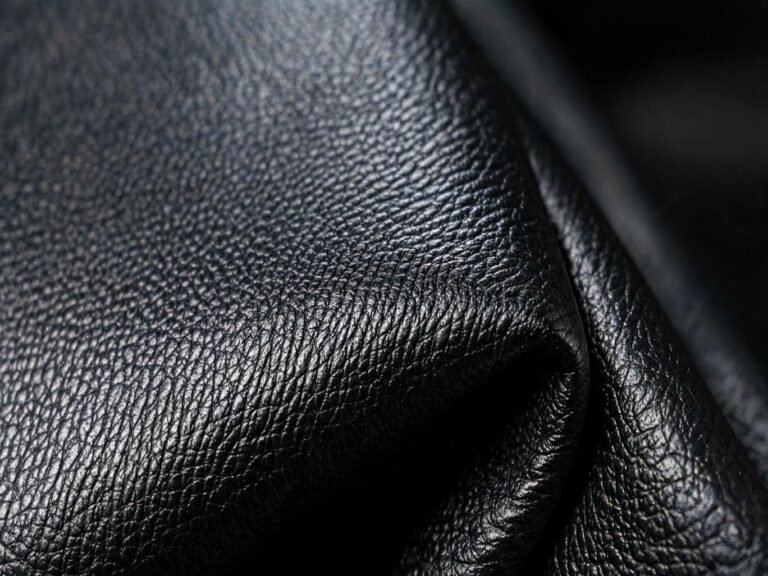
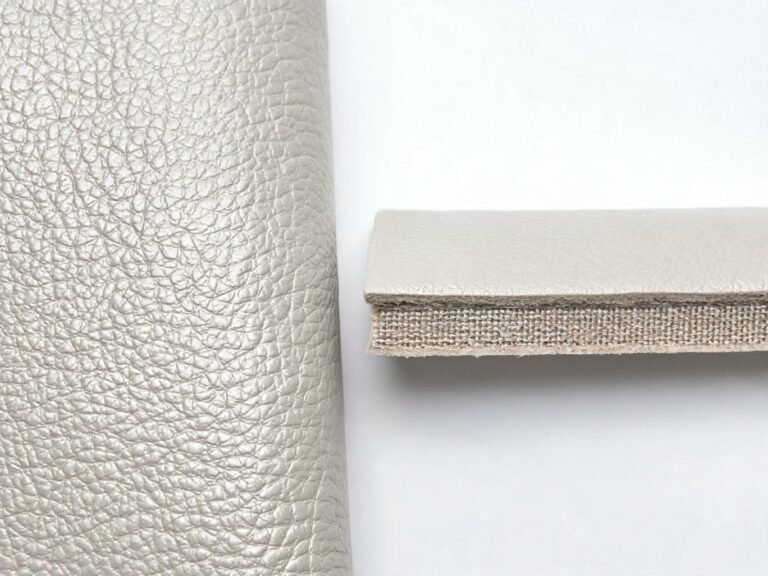
Vinyl fabric is a PVC (polyvinyl chloride) coated material used for chair upholstery. Manufacturers apply liquid PVC resin mixed with plasticizers onto a polyester or cotton backing, then emboss a texture to mimic leather grain. The result is a waterproof, wipe-clean surface that costs $3 to $8 per yard — roughly one-third the price of genuine leather.
In our experience reviewing spec sheets from hospitality and office furniture projects, most “commercial grade” vinyl fabric for chairs durability claims top out at 30,000 to 50,000 Wyzenbeek double rubs. That sounds impressive on paper. But the Wyzenbeek test measures surface abrasion in controlled lab conditions — it does not account for UV degradation, plasticizer migration, or temperature cycling that real chairs endure daily.

Martindale abrasion tester evaluating chair upholstery material durability
The material shows up everywhere: dining chairs in restaurants, furniture and sofa upholstery in hotel lobbies, office task chairs, and bar stools. Its appeal is obvious — low cost, easy cleaning, and wide color availability. But the performance gap between lab ratings and real-world lifespan tells a different story.
The 3 to 5 Year Failure Window
Here’s the problem that procurement teams discover too late. Vinyl fabric on chairs typically fails within 3 to 5 years — sometimes faster in high-traffic commercial settings. The failure mode is predictable: plasticizers migrate to the surface and gradually evaporate, leaving the PVC coating brittle and stiff.
Once the plasticizers depart, the material cracks along stress points — seat edges, backrest folds, and anywhere the sitter’s weight concentrates. UV exposure accelerates this process dramatically. Standard vinyl begins yellowing and micro-cracking after 200 to 500 hours of UV exposure, compared to silicone leather’s 1,500+ hours.

Color fastness testing equipment simulating UV exposure on upholstery materials
Temperature swings compound the damage. Vinyl becomes rigid below 10°C and turns sticky above 35°C — both common conditions for chairs near windows or in vehicles. One of our clients replaced vinyl dining chairs in a sunlit restaurant after just 28 months; the seats had cracked along the front edge where sunlight hit daily.
A 200-chair restaurant project at $15/chair replacement cost = $3,000 in material alone — plus labor, downtime, and guest dissatisfaction during refit.
Phthalates and Compliance Risks in Vinyl Fabric
Vinyl fabric requires plasticizers to stay flexible — and the most common ones are phthalates. DEHP, DBP, and BBP have been restricted under EU REACH regulation since 2007, and California’s Prop 65 requires warning labels on products containing listed phthalates. The U.S. EPA has identified phthalates as chemicals of concern for endocrine disruption and reproductive toxicity [$TRAE_REF](https://www.epa.gov/assessing-and-managing-chemicals-under-tsca/phthalates).
For B2B buyers, the compliance landscape is shifting fast. Several U.S. states have banned phthalates in childcare products and are expanding restrictions to furniture. Healthcare facilities increasingly specify phthalate-free upholstery. If you specify vinyl fabric containing restricted phthalates for chairs in regulated environments, you carry the liability — not the material supplier.

Commercial dining chairs require upholstery that withstands daily use and cleaning chemicals
Even “phthalate-free” vinyl uses alternative plasticizers — DINCH, DOTP — whose long-term health profiles are still under study. The eco-friendly silicone leather alternative eliminates this concern entirely, as silicone requires no plasticizers to maintain flexibility.
Vinyl vs PU vs Silicone Leather: Chair Upholstery Compared
| Property | Vinyl Fabric | PU Leather | Silicone Leather |
|---|---|---|---|
| Lifespan | 3-5 years | 3-5 years | 10-15 years |
| Abrasion (Martindale) | 30K-50K cycles | 30K-80K cycles | 100K-200K+ cycles |
| UV Resistance | Poor (200-500 hrs) | Moderate (300-500 hrs) | Excellent (1,500+ hrs) |
| Plasticizers | Yes (phthalates/DINCH) | Yes | None |
| VOC Emissions | Moderate to high | Moderate | Near zero |
| Material Cost/Yard | $3-$8 | $5-$15 | $15-$30 |
| 10-Year TCO/Chair | $45-$80 | $40-$70 | $25-$40 |
Silicone Leather as a Vinyl Alternative for Chairs
The core difference is chemistry. Silicone leather uses PDMS (polydimethylsiloxane) polymer — inherently flexible without plasticizers, UV-stable by molecular design, and thermally stable from -40°C to 250°C. No plasticizers means no migration, no cracking, and no phthalate compliance risk.
For chair applications, this translates to measurable performance advantages over both vinyl and PU leather. Martindale abrasion ratings of 100,000 to 200,000+ cycles mean the seat surface survives commercial use for a decade. Level 5 stain resistance means coffee, wine, and food wipe off with water alone — no specialty cleaners, no chemical residue.

Full color swatch wall showing silicone leather options for chair upholstery customization
Watch how silicone leather performs on office chair upholstery — flexibility, durability, and easy cleaning demonstrated
Yes, the upfront material cost is higher — $15 to $30 per yard versus vinyl’s $3 to $8. But when you calculate 10-year TCO per chair, silicone leather wins. One replacement cycle eliminated, zero specialty cleaner purchases, and no compliance remediation. For a 200-chair hospitality project, that is $4,000 to $8,000 in net savings over a decade. Readers interested in the broader material comparison can also review our analysis of vinyl fabric furniture vs leather and faux leather options for chairs.
Get a Custom Chair Material Quote
Frequently Asked Questions
How long does vinyl fabric last on commercial chairs?
In high-traffic commercial settings — restaurants, offices, waiting areas — vinyl fabric typically lasts 2 to 4 years before visible cracking and peeling appear. Chairs near windows or heat sources fail faster due to UV and temperature stress. Residential use extends the timeline to 4 to 5 years, but the failure mode is the same: plasticizer depletion leads to brittleness and surface cracking.
Are phthalates still used in vinyl upholstery fabric?
Many vinyl manufacturers have switched to alternative plasticizers like DINCH or DOTP, but DEHP and other restricted phthalates still appear in budget-grade vinyl from unregulated supply chains. B2B buyers should request full material disclosure and third-party test reports — not just a “phthalate-free” label — before specifying vinyl for chairs in regulated environments like healthcare or childcare facilities.
The Bottom Line for Chair Procurement
Vinyl fabric for chairs made sense when alternatives were limited and compliance standards were looser. Today, the math has shifted. A material that cracks in 3 to 5 years, carries phthalate liability, and fails UV resistance tests is not a budget choice — it is a deferred cost. Silicone leather eliminates every one of vinyl’s failure modes while delivering a lower 10-year total cost of ownership per chair. The question for procurement teams is not whether to switch, but how soon.
About TOPSUN
TOPSUN manufactures silicone leather specifically engineered for chair upholstery across hospitality, office, healthcare, and residential applications — with Martindale ratings of 100,000 to 200,000+ cycles verified on factory testing equipment. Our solvent-free coating process produces materials with near-zero VOC emissions, and every batch ships with REACH, FDA 21 CFR Part 177.2600, and CA Prop 65 compliance documentation. We support Pantone and RAL custom color matching with Delta E ≤ 1.0 accuracy across 100+ texture options, enabling furniture manufacturers to specify chair upholstery that passes both performance benchmarks and regulatory audits on the first submission.
Related reading: Silicone vs PU comparison · Eco-friendly silicone leather · Furniture and sofa applications