On a 38°C summer afternoon, the interior of a parked car can reach 70°C. If your car’s upholstery is PVC-based, that heat does more than make the seat uncomfortable to touch — it accelerates plasticizer off-gassing, releasing volatile organic compounds into the cabin air you breathe on your drive home. Most drivers never connect the “new car smell” with chemical emissions, yet fabric upholstery in car interiors is regulated by specific material standards precisely because this connection matters.
Whether you are evaluating a new vehicle, reupholstering a fleet, or specifying materials for an automotive aftermarket product, understanding what goes into your car’s interior fabric changes how you think about comfort, safety, and long-term value. This guide translates the technical standards into practical driver-facing knowledge.
What Fabric Upholstery in Cars Really Means
When we talk about fabric upholstery in car seats, we are not describing a single material. The term covers everything from woven textiles (polyester, nylon blends) to coated synthetics (PU, PVC, silicone leather) to natural leather. Each material behaves differently under the three stressors that define automotive interior performance: heat, UV radiation, and mechanical wear.
Woven fabric seats — the standard in economy vehicles — offer breathability and low cost but absorb stains, retain odors, and degrade under UV within 3–5 years. Coated synthetic leather (PU or PVC) provides a premium look but introduces VOC concerns and heat-related surface issues. Silicone leather material represents the newest category: it combines the cleanability of coated synthetics with the thermal stability and VOC profile of woven fabric, without plasticizers or solvent residues.
The material choice affects three things you experience every time you drive: how the seat feels against your skin in summer heat, what you breathe when the cabin is sealed, and how the interior looks after 50,000 kilometers of daily use. For a deeper dive into how manufacturers evaluate these materials, see our automotive-grade silicone leather overview.
Automotive Material Standards Every Driver Should Recognize
You do not need to memorize standard numbers, but knowing what they measure helps you ask the right questions when evaluating a vehicle or replacement material. Three automotive upholstery fabric safety standards directly affect driver and passenger health.
FMVSS 302 (Federal Motor Vehicle Safety Standard) governs flammability of interior materials in the US market. Every fabric used inside a passenger vehicle must self-extinguish within a specified rate after exposure to a flame. This is non-negotiable — if a material cannot pass FMVSS 302, it cannot legally be used in a vehicle interior sold in the United States. The European equivalent is EN 13773, which applies similar burn-rate criteria.
VDA 270 is the German automotive industry’s odor evaluation standard. It rates interior material odor on a 1–6 scale, where 1 is imperceptible and 6 is intolerable. German OEMs typically require a rating of 3 or better. This standard matters because VOC emissions and odor are correlated — a material that smells strongly is likely off-gassing chemicals you do not want to breathe in a sealed cabin.
GB/T 27630 is China’s national standard for VOC limits in vehicle interiors, setting maximum concentrations for eight substances including benzene, toluene, and formaldehyde. Similar regulations exist in Japan (JAMA voluntary guidelines) and Korea. The trend is clear: regulators worldwide are tightening cabin air quality requirements, and materials that cannot meet these limits are being phased out of new vehicle platforms. Learn more about how silicone meets these benchmarks in our article on VDA 277 VOC compliance.

Flame retardancy testing — FMVSS 302 compliance is the baseline safety requirement for all car interior materials
Heat, UV, and VOC: The Hidden Performance Factors
Three environmental factors silently degrade car interior materials — and most drivers only notice the damage when it is already advanced. Understanding how car seat fabric durability heat resistance interacts with UV and VOC gives you a framework for predicting material lifespan.
Heat is the primary aggressor. A dashboard surface in direct sun can reach 90°C; seat surfaces routinely hit 60–70°C in summer. At these temperatures, PVC upholstery releases plasticizers — the same chemicals that give PVC its flexibility. The result is a sticky surface film and airborne VOCs. PU leather softens and begins hydrolytic degradation. Silicone leather remains dimensionally stable up to 250°C, which is why it increasingly appears in automotive interior leather design for premium and electric vehicle platforms.
UV radiation through car windows causes color fading and surface embrittlement. Standard automotive glass blocks most UVB but transmits significant UVA. After 2–3 years of daily sun exposure, budget PU upholstery shows visible fading and micro-cracking. Premium materials specify xenon arc test hours (ISO 105-B02) — 1,000+ hours indicates a material that will maintain color for 5+ years in real-world conditions.
VOC emissions are the invisible factor. A study by the National Highway Traffic Safety Administration and independent researchers has shown that cabin VOC concentrations can be 2–5x higher than outdoor levels in new vehicles, primarily from upholstery, adhesives, and trim materials. The concentrations drop significantly over the first 6 months as materials off-gas — but materials with high initial VOC (PVC, low-grade PU) continue emitting at lower levels for years.

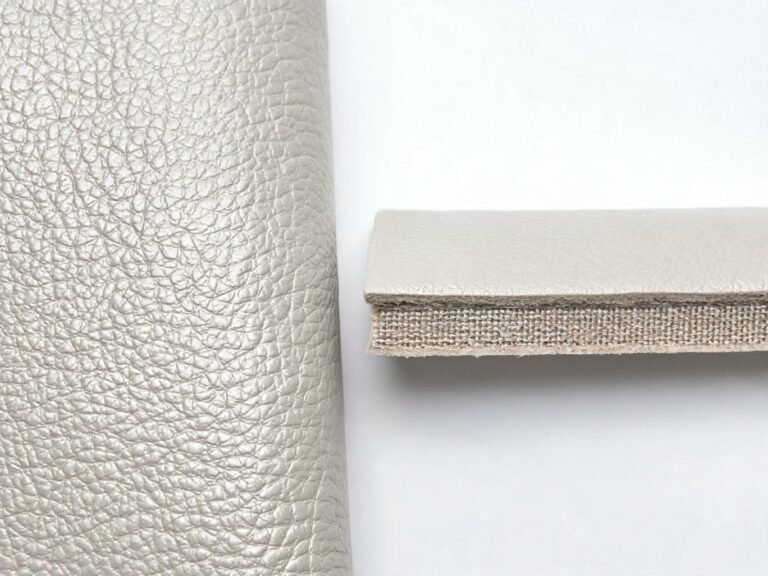
Physical testing laboratory — where automotive materials prove they meet FMVSS, VDA, and ISO standards
Fabric Upholstery in Car Interiors: Daily Comfort and Maintenance
Standards and test data matter, but the daily driving experience is where material choice becomes personal. Fabric upholstery in car interiors influences how hot your seat feels in August, how easy it is to clean a coffee spill, and whether your interior still looks good after three winters. Different car interior fabric material types solve these problems differently.
Breathability and temperature feel: Woven fabric seats stay cooler in summer because air circulates through the weave. Coated synthetics (PU, PVC) trap heat — anyone who has worn shorts on a vinyl seat in July knows this. Silicone leather sits between the two: its surface does not reach the scalding temperatures of PVC, and its slight breathability prevents the sweat-trapping effect of fully sealed coatings.
Cleaning and stain resistance: Woven fabric absorbs liquids — a spilled coffee becomes a permanent stain without immediate treatment. Coated synthetics repel liquids but require specific cleaners to avoid damaging the surface coating. Silicone leather offers the best of both: liquids bead on the surface, and most spills wipe away with a damp cloth. No special cleaners, no conditioning, no risk of coating damage from harsh chemicals.
Winter performance: In cold climates, PVC upholstery becomes brittle and can crack when flexed at sub-zero temperatures. PU leather maintains flexibility but may develop surface fogging from plasticizer migration. Silicone leather remains flexible down to -40°C — no cracking, no stiffness, no cold-weather degradation. This is particularly relevant for fleet vehicles and commercial fleets operating in northern regions.
Driver’s tip: If your current car seats feel sticky in summer, smell strongly when parked in the sun, or show visible cracking at seams — your upholstery material is degrading. These are not cosmetic issues; they indicate chemical breakdown that affects cabin air quality.

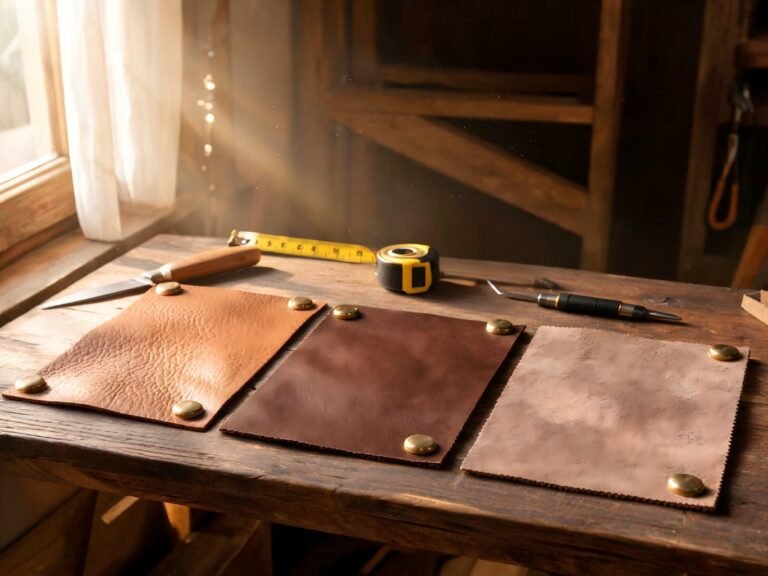
Scratch resistance testing — simulating years of daily use, keys, and pet claws on car seat surfaces
When to Upgrade Your Vehicle’s Interior Material
Car interiors do not last forever. The question is whether you wait for visible failure or proactively upgrade before the material starts affecting air quality and comfort. Here is what to look for when evaluating the best fabric for car interior replacement or reupholstering projects.
Three signs indicate material end-of-life. First, surface cracking or peeling — especially at stress points like seat bolsters and seams. This means the coating has lost flexibility, and further degradation will accelerate. Second, persistent odor that does not dissipate after ventilation — this signals ongoing VOC off-gassing from material breakdown. Third, color fading at different rates between exposed and covered areas — UV degradation that will eventually lead to surface embrittlement.
When replacing, the silicone vs PU comparison is the most relevant decision point. PU remains the cost-effective option for budget-conscious replacements, but it will repeat the same degradation cycle in 3–5 years. Silicone costs more upfront but eliminates the recurring replacement, the VOC concerns, and the summer stickiness — a 10+ year lifespan means you reupholster once instead of twice.

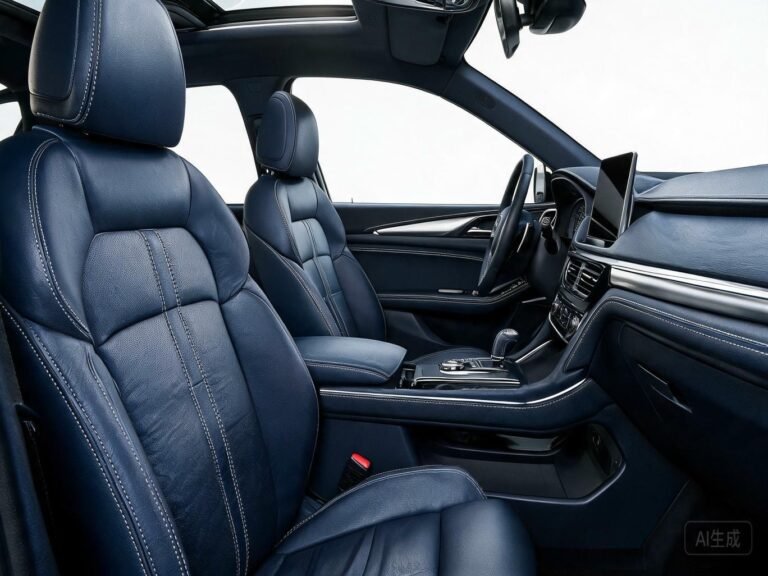
Modern car interior — material choice determines comfort, air quality, and appearance for the vehicle’s entire lifespan
| Material Type | Summer Comfort | Winter Performance | VOC Risk | Typical Lifespan |
|---|---|---|---|---|
| Woven fabric | Good (breathable) | Good | Low | 5–7 years |
| PVC leather | Poor (sticky, hot) | Poor (cracks) | High | 3–5 years |
| PU leather | Fair (warm) | Fair | Medium | 4–6 years |
| Silicone leather | Good (cool-touch) | Excellent (-40°C) | Very Low | 10–15+ years |
Frequently Asked Questions
Does fabric upholstery in cars off-gas harmful chemicals?
It depends on the material. PVC-based upholstery off-gasses the most — phthalate plasticizers and VOCs are released continuously, with peaks during hot weather. PU leather off-gasses moderately, primarily in the first 6 months. Woven fabric and silicone leather emit negligible VOCs. If you notice a strong chemical smell when entering a parked car on a hot day, that is off-gassing — and it indicates the material is releasing compounds you are breathing. Materials certified to VDA 270 (odor rating ≤3) or GB/T 27630 (VOC limits) have been tested to confirm emissions are within safe thresholds.
How long does car upholstery fabric typically last before needing replacement?
Woven fabric seats typically last 5–7 years before showing significant wear, fading, or odor retention. PVC upholstery degrades fastest — expect 3–5 years before cracking and peeling appear, especially in sunny climates. PU leather lasts 4–6 years but begins hydrolytic degradation in humid environments sooner. Silicone leather is rated for 10–15+ years with minimal maintenance, making it the longest-lasting option for both OEM and aftermarket applications. The key variable is UV exposure — vehicles parked outdoors in sunny climates will see 30–40% faster material degradation across all types.
Making Sense of Your Car’s Interior Material
The fabric upholstery in your car is not just a surface you sit on — it is a material system that affects thermal comfort, cabin air quality, fire safety, and long-term vehicle value. Understanding the standards (FMVSS 302, VDA 270, GB/T 27630) gives you a vocabulary for asking informed questions. Recognizing the three silent degraders — heat, UV, and VOC — helps you predict when replacement is necessary. And knowing that material options extend far beyond the traditional fabric-vs-leather binary opens the door to upgrades that solve multiple problems at once. Whether you are a daily driver, a fleet manager, or an automotive aftermarket specifier, the right interior material is the one that stays comfortable, safe, and clean for the life of the vehicle — not just the first three years.
About TOPSUN
TOPSUN manufactures silicone-based automotive upholstery materials that meet OEM interior standards for vehicles sold in European, North American, and Asian markets.
200,000+ Martindale cycles · FMVSS 302 / EN 13773 flame retardant · 1500+ hr xenon arc UV resistance · VDA 270 odor-free certified · -40°C cold crack resistance · Zero plasticizer migration