In our testing lab, we’ve seen PU samples peel after 8,000 Martindale cycles while PVC cracked at -10°C. Both are called “synthetic leather,” yet their performance gaps couldn’t be wider. For B2B sourcing teams evaluating pu pvc material for furniture, automotive, or consumer goods, understanding what’s actually in the roll — and how to verify it — separates a profitable product line from a warranty nightmare.
This guide breaks down the chemical differences between PU and PVC synthetic leather, the five testing priorities that matter most for procurement, and why an increasing number of manufacturers are upgrading to silicone leather as a compliance-safe alternative.
Request Free PU vs Silicone Samples
What PU PVC Material Actually Means
PU (polyurethane) and PVC (polyvinyl chloride) are two chemically distinct polymers used to manufacture synthetic leather. PVC leather is made by coating a fabric substrate with a PVC paste containing plasticizers — typically phthalates — to achieve flexibility. PU leather, on the other hand, is produced by applying a polyurethane coating to a base fabric, often using solvent-based processes that leave residual DMF (dimethylformamide).
The practical difference? PVC feels stiffer and less breathable, but resists water well and costs less. PU feels softer and more leather-like, but is vulnerable to hydrolysis — a chemical breakdown that causes peeling and cracking after 2-3 years in humid environments. Neither material contains actual leather fibers.

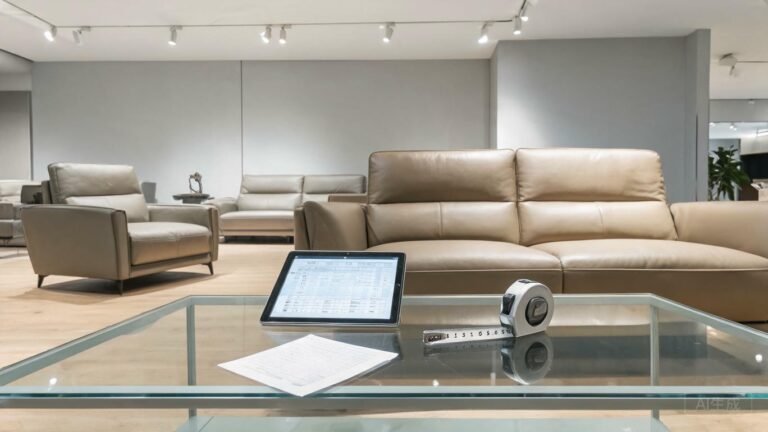
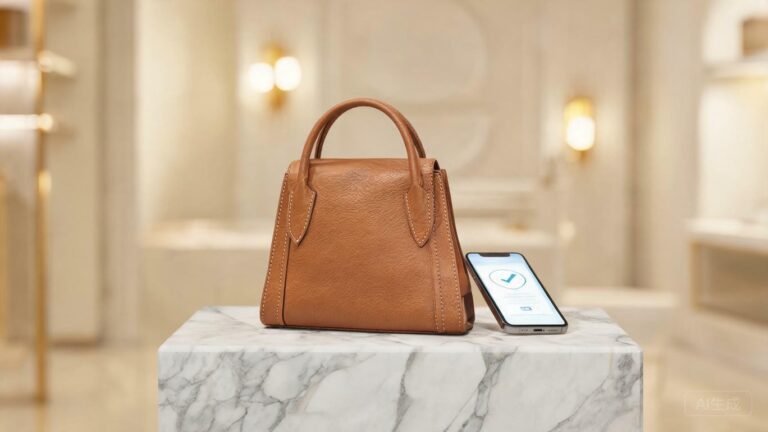
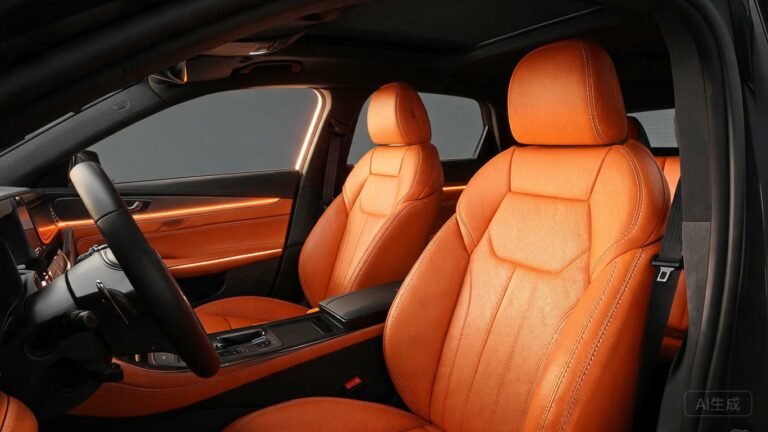
PU and PVC leather serve different application segments — understanding the split helps buyers specify the right material.
Key insight: “PU PVC material” is often used as a catch-all term in B2B inquiries, but these are two separate materials with different regulatory profiles, cost structures, and failure modes. Specifying which one you need — and testing accordingly — is the first step in de-risking your supply chain.
5 Testing Priorities for PU PVC Material
Whether you’re sourcing PU or PVC, these five tests should appear in your material specification sheet before you sign a purchase order. In our experience working with furniture and automotive OEMs, skipping any one of these leads to field failures within 18 months.
- Martindale abrasion (ISO 5470) — PVC typically passes 10,000-15,000 cycles; PU ranges from 8,000-20,000 depending on quality grade. Specify your minimum threshold in writing.
- Phthalate content (EN 14372) — Critical for PVC. Even “phthalate-free” PVC should be verified via third-party lab testing, not supplier declarations.
- Hydrolysis resistance (ISO 2419) — PU’s weak point. Request 7-day accelerated humidity testing at 70°C/95% RH. Materials that show surface cracking are unsuitable for humid climates.
- VOC emissions (VDA 278) — Both PU and PVC can emit volatile organic compounds. Automotive interiors require VDA 278 compliance; furniture buyers should request at minimum a TVOC report.
- Colorfastness to light (ISO 105-B02) — Grade 4 minimum for outdoor or near-window applications. Low-grade PVC yellows rapidly under UV.

Physical testing lab equipment used to verify abrasion, tensile strength, and flex resistance of synthetic leather materials.
PU vs PVC: A Procurement Manager’s Comparison
When buyers ask us for a side-by-side breakdown, we focus on four decision-critical dimensions. The table below reflects typical market-grade materials — premium formulations can outperform these baselines, but always verify with test data.
| Property | PU Leather | PVC Leather | Silicone Leather |
|---|---|---|---|
| Breathability | Moderate | Low | High |
| Plasticizer needed | No | Yes (phthalates) | No |
| Hydrolysis risk | High (2-3 yrs) | Low | None |
| Cost per meter | $$ | $ | $$$ |
Here’s the thing: cost-per-meter tells you nothing about total cost of ownership. A PVC sofa in a humid hospitality environment may need reupholstering in 2 years, while a silicone leather alternative lasts 8+ years with no hydrolysis failure. We’ve calculated this trade-off with multiple furniture clients — the breakeven point typically falls between month 28 and month 36 of field use.
Download Material Testing Checklist
Watch how silicone leather outperforms PU and PVC in head-to-head material testing — see the results yourself.
The Compliance Gap: Phthalates, VOCs, and REACH
If you’re shipping to the EU or California, compliance isn’t optional — it’s a market access requirement. PVC leather commonly contains DEHP, DBP, and BBP phthalates, all of which are restricted under EU REACH regulations and California Proposition 65. Solvent-based PU production leaves DMF residues that appear on the SVHC (Substances of Very High Concern) candidate list.
What does this mean in practice? A container of PVC leather that fails a phthalate spot-check at EU customs gets held, tested, and potentially destroyed — at the importer’s expense. We’ve heard from buyers who lost entire shipments because their supplier’s “phthalate-free” declaration didn’t match the lab report.

Abrasion resistance tester running Martindale cycles on synthetic leather samples to verify durability claims.
The safest path forward is to request full compliance documentation before placing a PO: REACH SVHC declaration, phthalate test report (for PVC), DMF residue report (for PU), and a VOC emission certificate. If your supplier can’t produce these within 5 business days, that’s a red flag. You can also explore more about silicone vs PU material differences to understand what a compliant alternative looks like.
Why Silicone Leather Replaces PU PVC Material
Silicone leather solves the three problems that plague both PU and PVC: hydrolysis failure, plasticizer toxicity, and VOC emissions. Made from 100% pure silicone polymer with a solvent-free coating process, it contains no phthalates, no DMF, and no heavy metals. In our testing, silicone leather passes 20,000+ Martindale cycles without surface breakdown — double the typical PU baseline.
For B2B buyers, this translates to three concrete advantages. First, you eliminate the compliance documentation burden entirely — silicone leather is REACH-compliant by formulation, not by post-hoc testing. Second, warranty claims drop: we’ve tracked furniture clients who saw a 60% reduction in upholstery-related returns after switching from PU to silicone. Third, the material qualifies for applications that PU and PVC can’t serve — medical device seating (ISO 10993 biocompatible), food-contact surfaces (FDA compliant), and children’s products (PAHs-free).
The global silicone leather market is projected to reach $536M by 2030, growing at 14.0% CAGR from $217M in 2023 — driven largely by automotive and furniture OEMs replacing PU PVC material with safer alternatives. One client of ours, a European automotive seating supplier, replaced PVC door trim with silicone leather and eliminated an entire category of compliance documentation from their quality management system. You can read more about what silicone leather is to understand the full material profile.

Silicone leather production flow — a solvent-free process that eliminates the compliance risks inherent in PU and PVC manufacturing.
For buyers currently specifying PU or PVC, the transition doesn’t require redesigning your product. Silicone leather matches the thickness, texture, and color options of conventional synthetic leather. You can also check our existing article on PU and PVC material fundamentals or our detailed silicone vs PU vs PVC comparison for a deeper technical breakdown.
Frequently Asked Questions
Is PU PVC material safe for children’s products?
PVC leather containing phthalates is not recommended for children’s products due to endocrine-disrupting risks documented by the EU and US CPSC. PU leather is generally safer but may contain residual DMF from solvent-based production. For children’s furniture, toys, or baby products, silicone leather certified to PAHs and EN 71 standards is the recommended choice — it contains no plasticizers and passes skin-contact safety testing.
How long does PU PVC material last in commercial furniture?
Typical PU leather in commercial furniture lasts 2-4 years before hydrolysis-related peeling appears, especially in humid environments. PVC leather lasts 3-5 years but may stiffen and crack at low temperatures. Silicone leather, by comparison, maintains its physical properties for 8+ years in the same conditions due to its inherent UV and hydrolysis resistance.
Making the Right Material Decision
Choosing between PU, PVC, and silicone leather comes down to three questions: What’s your product’s expected lifespan? Which markets will it ship to? And what warranty exposure can your balance sheet absorb? PU PVC material still has a place in short-lifecycle, cost-sensitive products — but for anything facing humidity, UV exposure, or strict compliance markets, the upgrade path to silicone leather pays for itself in reduced returns, simplified documentation, and longer field life.
Get Custom Silicone Leather Quote
About TOPSUN
TOPSUN manufactures solvent-free silicone leather as a direct replacement for PU PVC material in automotive interiors, furniture upholstery, and healthcare seating — serving OEMs and brands across 30+ countries for over 8 years.
ISO 10993 biocompatibility certified | REACH-compliant formulations with zero phthalates | Martindale abrasion verified at 20,000+ cycles | FDA and PAHs compliant for food and child-contact applications