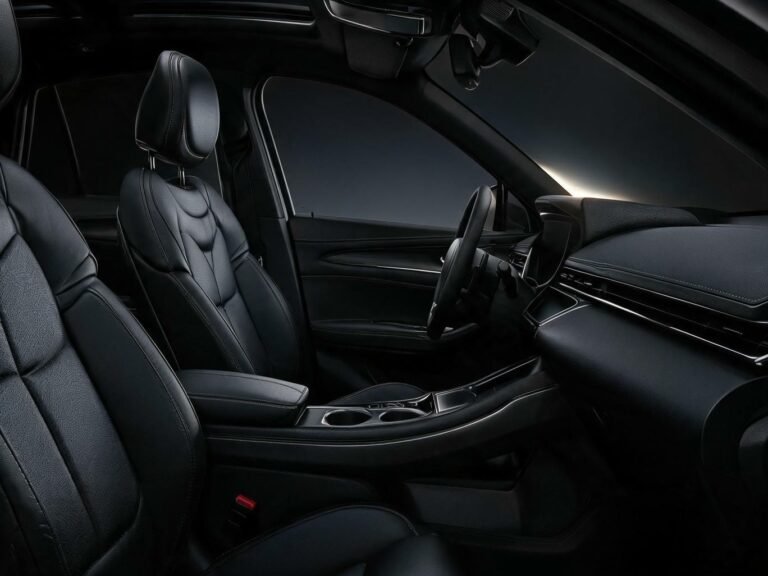
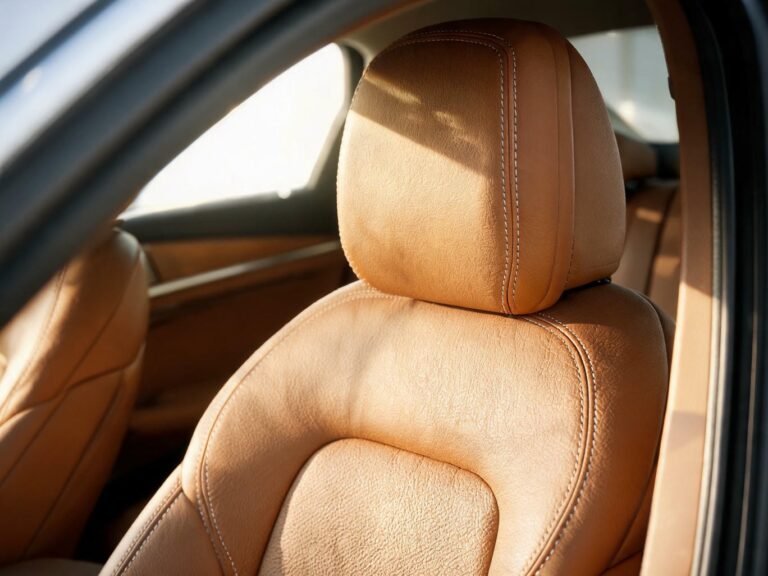
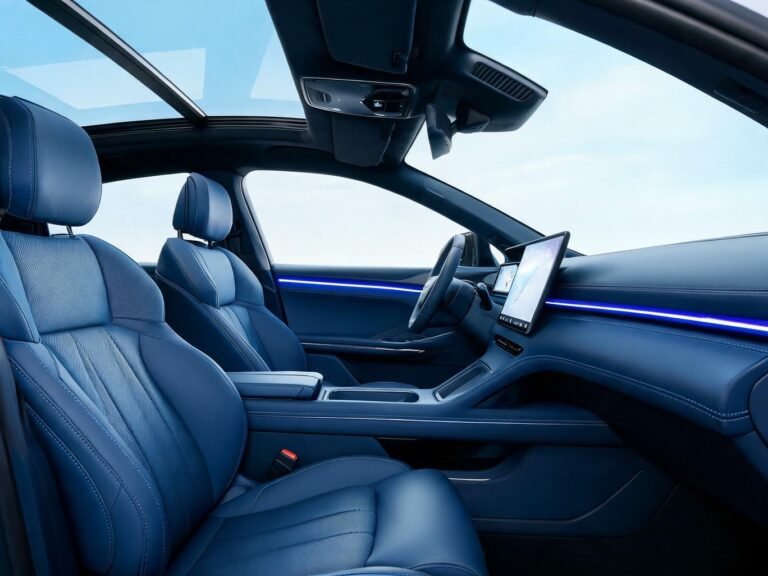
Car door panels endure more physical contact than almost any other interior surface. Every time a driver or passenger enters or exits the vehicle, their hands, fingernails, belts, bags, and jewelry scrape across the armrest and door panel surface. A typical vehicle accumulates thousands of these contact events monthly—each one capable of leaving micro-scratches that progressively dull the car door panel material and diminish the interior’s perceived quality. For automotive OEMs and Tier-1 suppliers, selecting a door panel material that maintains its appearance despite this constant abuse is a critical quality and warranty consideration.
Request Door Panel Material Samples
The Mechanical Stress Profile of Door Panels
Understanding why door panel materials fail requires analyzing the specific mechanical forces involved. The armrest area receives concentrated pressure from elbows and forearms during driving—averaging 15-25 PSI of sustained force on a surface area of just 15-20 square inches. Door pull handles experience sharp directional forces from fingers gripping and pulling with varying intensity. The lower door panel (map pocket area) faces abrasion from objects being inserted and removed—water bottles, keys, phones, wallets. The window switch area receives thousands of fingertip contacts that can wear through surface coatings over time.
These stress patterns differ significantly from seat upholstery, which primarily experiences compression forces. Door panel materials must resist shear forces (side-to-side scraping), puncture forces (fingernails, keys), and concentrated point loads (elbows, rings) simultaneously. The failure modes are also different: seats show wear through surface flattening and color fading, while door panels show wear through visible scratching, edge peeling at seams, and color transfer from clothing rubbing against armrest surfaces.
Door Panel Material Comparison
| Property | Silicone Leather | PU Leather | PVC Vinyl | Woven Fabric |
|---|---|---|---|---|
| Scratch Resistance | Excellent (hard surface) | Moderate | Poor (visible scratches) | N/A (no surface) |
| Abrasion Rating | 200,000+ cycles | 100,000 cycles | 50,000 cycles | 40,000-60,000 cycles |
| UV/Fade Resistance | 1,500+ hrs xenon | 500 hrs | 300-500 hrs | Moderate (varies) |
| Seam Durability | No peeling (integrated) | Peeling at 2-3 years | Cracking/peeling | Thread wear |
| Color Transfer | None (non-porous) | Moderate (jeans, belts) | Low | High (absorbs dyes) |
Scratch Resistance: The Door Panel’s Most Critical Property
Scratch resistance distinguishes door panel materials more than any other single property. Fingernail scratches, key marks, and belt buckle abrasions are the most common consumer complaints related to car door panel material quality. These micro-scratches accumulate progressively—barely visible individually but creating a dull, worn appearance that makes the entire interior feel older and lower-quality than it actually is.
Silicone leather’s superior scratch resistance comes from its silicone-based surface chemistry. Unlike PU leather, which uses a relatively soft polyurethane topcoat that scratches easily, silicone leather’s surface has higher hardness and inherent elasticity that resists marking from common contact objects. The surface flexes under point loads (fingernails, keys) and returns to its original appearance without permanent deformation. For OEMs designing interiors that must maintain showroom quality through years of use, this scratch resistance translates directly to higher customer satisfaction scores and lower warranty claims.
Scratch resistance testing: silicone leather withstands abrasive contact that damages traditional materials

Abrasion testing specifically designed for automotive interior surfaces provides quantitative data for material comparison. The Martindale abrasion test, widely used in automotive material specifications, simulates years of contact wear in compressed time frames.
Silicone leather consistently exceeds 200,000 cycles—well above the automotive industry’s typical requirement of 40,000-60,000 cycles for door panel surfaces. This 3-5x safety margin means silicone leather door panels maintain their appearance long after the warranty period, reducing replacement part inventory and warranty claim costs for manufacturers.
Color fastness testing confirms that door panel materials must also resist fading from UV exposure through side windows. The abrasion-color fastness tester evaluates both mechanical wear and color retention simultaneously—a dual challenge that silicone leather handles exceptionally well.
Armrest Wear: The Most Visible Failure Point
The door panel armrest is where material failure becomes most visible to vehicle occupants. Every time a driver rests their elbow on the armrest during a 30-minute commute, the material experiences concentrated compression and shear forces. Over months, this repeated loading creates surface flattening, color darkening from body oils, and eventually cracking at stress concentration points. The armrest is also where passengers instinctively grab for support during vehicle maneuvers, adding nail gouges and grip marks to the wear pattern.
Silicone leather’s non-porous surface eliminates the body oil darkening that’s the most common armrest complaint in vehicles with PU leather panels. Its flexibility prevents the surface cracking that appears at armrest edges after 18-24 months on traditional materials. And its color fastness ensures that the armrest color remains consistent with the rest of the door panel—no differential fading between high-contact and low-contact areas that creates an unintentional two-tone effect. For teams sourcing automotive interior materials, silicone leather’s armrest performance alone justifies the material upgrade for premium vehicle segments.

Manufacturing Advantage: Silicone leather can be deep-drawn and heat-formed for complex door panel geometries without cracking—a capability that simplifies manufacturing compared to PVC, which requires higher forming temperatures and is more prone to splitting during deep-draw operations. This formability reduces scrap rates and improves production yield for injection-molded door panel substrates with complex surface contours.
Integration with Door Panel Manufacturing
Door panel production involves several material-specific manufacturing considerations. The car door panel material must bond reliably to the substrate (typically injection-molded PP or ABS), accommodate sewing and stitching operations for premium designs, and survive the high-temperature environment of the automotive painting and assembly process. According to the SAE J2910 standard for automotive interior trim materials, door panel surfaces must meet specific abrasion, color fastness, and adhesion requirements that vary by vehicle segment and expected service life. Silicone leather performs well across all these requirements—it bonds effectively with standard automotive adhesives, sews cleanly without edge fraying, and tolerates temperatures up to 250°C without degradation.
The material’s dimensional stability is particularly valuable for door panels, which experience significant temperature fluctuations from sun exposure (panel surface temperatures can exceed 80°C in hot climates). Silicone leather maintains consistent dimensions across this temperature range without the shrinkage or warping that affects some PVC formulations. This dimensional stability prevents the edge lifting and seam separation that creates quality defects in assembled door panels. For OEMs following automotive upholstery material standards, silicone leather simplifies compliance by meeting the most demanding specifications across all door panel performance criteria.

Frequently Asked Questions
Is silicone leather compatible with injection-molded door panel substrates?
Yes. Silicone leather bonds reliably with standard automotive adhesives (polyurethane and acrylic-based) to PP, ABS, and TPO substrates commonly used in injection-molded door panels. Its dimensional stability prevents the delamination issues common with PVC on high-temperature substrates, and it can be laminated during the injection molding process using standard automotive lamination equipment.
How does silicone leather perform on door panels exposed to direct sunlight?
Silicone leather provides excellent UV resistance with 1,500+ hours of xenon arc testing showing no yellowing or surface degradation. Door panels receive significant sun exposure through side windows—particularly in vehicles without window tinting. The material’s thermal stability (-40°C to 250°C) ensures it maintains flexibility and appearance even when panel surface temperatures exceed 80°C in hot climates. For vehicles following automotive interior design trends with larger glass surfaces, this UV resistance becomes increasingly important.
Can silicone leather door panels be repaired if scratched?
Minor scratches in silicone leather can be reduced with gentle heat application (hair dryer at low setting softens the surface, allowing light polishing). However, silicone leather’s high scratch resistance means that most everyday contact—fingernails, clothing, keys—does not produce visible scratches in the first place, making repair rarely necessary. Unlike PU leather that shows scratch marks from routine use, silicone leather’s harder surface resists marking from the objects that typically damage door panels.
Specifying Door Panel Materials for Long-Term Quality
The ideal car door panel material must resist scratching from daily contact, maintain color consistency under UV exposure, bond reliably to injection-molded substrates, and survive the thermal extremes of automotive interiors. Silicone leather delivers measurable performance advantages across all these criteria—200,000+ abrasion cycles, 1,500+ hours UV stability, -40°C to 250°C thermal range, and proven bonding compatibility with standard automotive adhesives and substrates.
For Tier-1 suppliers and OEM teams evaluating door panel material strategies, silicone leather offers a proven solution that reduces warranty claims, improves long-term interior quality perception, and simplifies manufacturing processes. Request TDS documents, sample rolls, and bonding test data to evaluate fitment for your door panel program.
Download Door Panel Material TDS
About TOPSUN
TOPSUN is an automotive-grade silicone leather manufacturer supplying door panel, dashboard, and seat materials to OEMs and Tier-1 suppliers worldwide. With 500,000 meters monthly capacity, FMVSS 302 compliance, and full automotive testing capabilities, we deliver materials engineered for the specific demands of automotive interior surfaces.
Automotive Certifications: FMVSS 302, EN 13773, VDA 277, REACH, PAHs, California Prop 65.