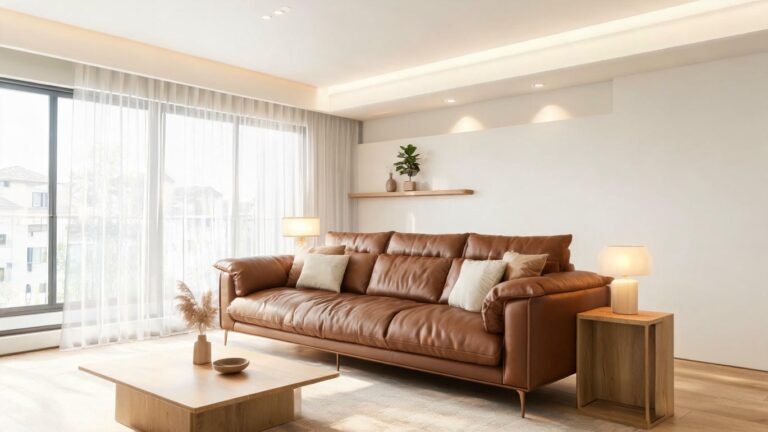
Furniture manufacturers face a relentless cost-pressure equation: material costs must stay competitive while warranty periods keep getting longer, environmental regulations get stricter, and consumer expectations for cleanability keep rising. The Furniture Today industry report notes that material durability and cleanability have become the top two purchasing criteria for contract furniture buyers — a shift from just five years ago when price dominated. Silicone leather furniture has emerged as a material solution that reshapes this equation — offering 10+ year service life, zero VOC emissions, inherent flame retardancy, and resistance to alcohol-based disinfectants that destroy PU surfaces within months. In this article, we explain why OEMs in hospitality, senior living, and contract furniture are increasingly switching to silicone leather, and what buyers need to know about specifying it for furniture production.
Request Furniture Grade Samples
What Makes Silicone Different for Furniture Applications
The furniture industry has relied on PU leather as its primary synthetic upholstery material for decades. It is affordable, reasonably soft, and available in hundreds of colors and textures. But PU has well-documented weaknesses that become critical in commercial and high-end residential furniture: hydrolysis degradation in humid climates, surface cracking under repeated flex stress, discoloration from UV exposure, and rapid degradation when cleaned with alcohol-based products.
Silicone leather furniture addresses all of these failure modes at the molecular level. The Si-O (silicon-oxygen) backbone that gives silicone its properties is fundamentally different from the polyurethane chains in PU. This bond is resistant to hydrolysis, UV radiation, thermal oxidation, and chemical attack from alcohols, oxidizers, and acids. The practical result? Furniture upholstered with silicone leather simply lasts longer — typically three to four times longer than the same design in PU.

Flexibility testing confirms silicone leather furniture can endure thousands of seat adjustments without cracking.
Head-to-Head: Silicone vs. PU vs. PVC for Furniture
For furniture specifiers, the comparison comes down to numbers. Data from our Technical Data Sheet:
| Property | Silicone Leather | PU Leather | PVC Leather |
|---|---|---|---|
| Martindale Abrasion | ≥ 200,000 cycles | 40,000-80,000 | 30,000-60,000 |
| Flex Endurance | ≥ 100,000 cycles | 30,000-50,000 | 20,000-40,000 |
| Waterproof | 100% waterproof | Resistant (seam penetration) | Water-resistant |
| Alcohol Cleaning | No degradation (1,000+ wipes) | Cracking after 50-200 wipes | Surface damage |
| Hydrolysis Resistance | Excellent (1,000+ hrs) | Degrades in humidity | Moderate |
| Flame Retardancy | Inherent (no additives) | Requires treatment | Self-extinguishing (additives) |
| Service Life | 10+ years | 3-5 years | 2-4 years |
Real-World Example: A European senior living chain specified silicone leather for 800 sofa units across 12 facilities. Their previous PU furniture required reupholstering every 3.5 years due to incontinence-related cleaning with bleach solutions. After 5 years with silicone leather, zero sofas have needed reupholstering, and the maintenance team reports a 70% reduction in cleaning time since the silicone surface wipes clean without absorbing fluids.
Furniture Segments Where Silicone Leather Delivers the Most Value
Silicone leather is not the optimal choice for every furniture segment. Here is where it delivers the strongest value proposition:
Hospitality & Hotel Furniture. Hotel lobbies, restaurant booths, and lobby seating face continuous guest use and daily cleaning. Silicone leather’s stain resistance and easy-clean surface reduce housekeeping labor while maintaining a premium appearance. For furniture and sofa applications in hospitality, the total cost of ownership strongly favors silicone.
Senior Living & Healthcare Furniture. Incontinence exposure, frequent disinfection with bleach and alcohol, and the need for non-toxic materials make silicone leather the only synthetic option that handles all three. The material passes EN 717-1 E1 grade for formaldehyde and contains no phthalates — critical for eldercare compliance.
Office & Task Seating. Ergonomic chairs with adjustable mechanisms create constant flex stress at the seat and backrest pivot points. Silicone leather’s ≥100,000 cycle flex endurance means the upholstery outlasts the mechanical components. For premium commercial environments, the material communicates quality that justifies a higher price point.
Outdoor & Patio Furniture. UV resistance (1,000-1,500 hours without cracking), salt spray tolerance (500+ hours), and waterproof performance make silicone leather suitable for outdoor and marine furniture where PU and PVC fail within 1-2 seasons.

Furniture manufacturing — silicone leather cuts, sews, and upholsters like conventional materials on standard equipment.
See Silicone Leather Furniture in Production
Understanding how silicone leather performs in real furniture manufacturing helps buyers make informed specification decisions. The video below showcases silicone leather in luxury furniture applications:
Silicone leather in luxury furniture production — see how it cuts, sews, and performs like premium upholstery material.
Explore Our Furniture Grade Collections
Working with Silicone Leather in Furniture Manufacturing
One of the practical advantages of silicone leather is that it processes on standard furniture manufacturing equipment. No special tooling, adhesives, or sewing machines are needed. Here is what furniture manufacturers should know:
- Cutting. Silicone leather cuts cleanly on CNC knife cutters, die presses, and manual cutting tables. Recommended blade types: PTFE-coated or titanium for clean edges. Standard cutting parameters from PU upholstery work well.
- Sewing. Use PTFE-coated needles (size 16-18 for standard furniture weight, 140-200 GSM backing). Tension settings may need minor adjustment — silicone has slightly more surface drag than PU. Stitch type: lockstitch or chain stitch as per standard upholstery practice.
- Adhesives. Contact adhesives compatible with PU and PVC work with silicone leather. For high-heat applications (e.g., heated seats), verify adhesive temperature ratings match the operating range.
- Thickness Options. Silicone leather for furniture is available from 0.8mm to 2.5mm total thickness. Seating surfaces typically use 1.2-1.5mm; backrests and side panels can use 0.8-1.0mm for material savings.

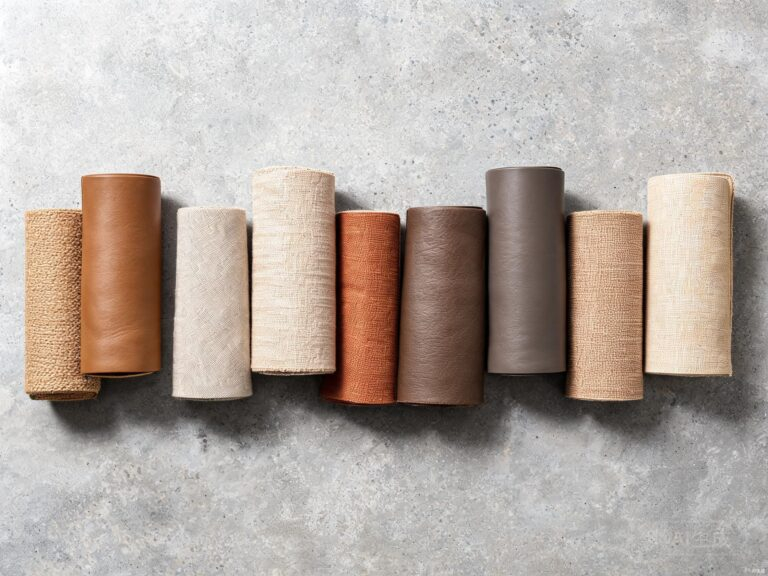
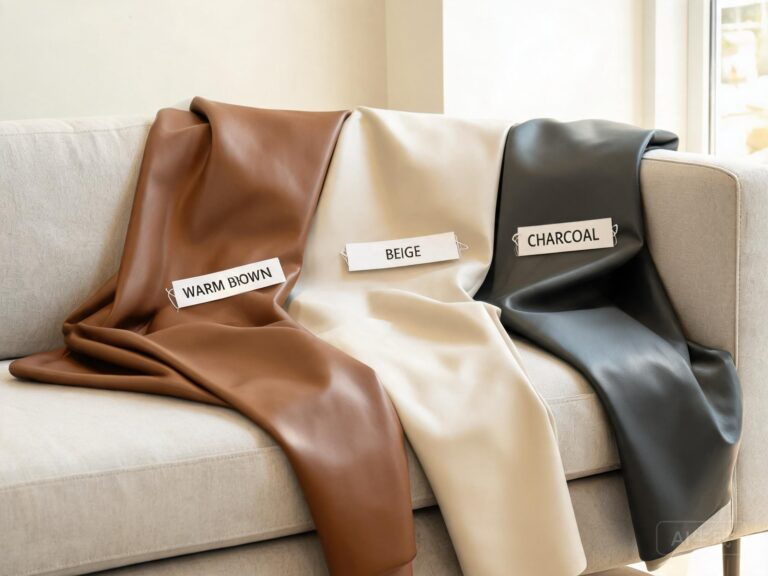
Color swatches — silicone leather furniture grades are available in a wide palette for matching any design specification.
Frequently Asked Questions
Is silicone leather good for sofas?
Yes — it is arguably the best synthetic material for sofas in demanding environments. Silicone leather combines the look and feel of genuine leather with superior durability (Martindale ≥200,000), inherent flame resistance, and easy-clean waterproof performance. For residential sofas, the 10+ year lifespan means the upholstery will likely outlast the frame. For commercial sofas, the extended life reduces total cost of ownership significantly.
Can silicone leather furniture be used outdoors?
Yes, silicone leather is one of the few synthetic leather materials suitable for outdoor furniture. It passes 1,000+ hours of UV testing without cracking or fading, 500+ hours of salt spray testing, and is 100% waterproof. The material maintains its flexibility and color in extreme temperatures (-40°C to 250°C), making it ideal for patio furniture, poolside lounges, and garden seating.
How much does silicone leather furniture cost compared to PU?
The material cost is typically 30-50% higher than PU leather per meter. However, the total cost of ownership — including installation labor, replacement frequency, and maintenance — often favors silicone leather over a 10-year period. When you factor in that one silicone installation outlasts three PU installations, the labor savings alone can offset the material premium. See our leather fabric sofa guide for detailed cost modeling.
The Furniture Material Decision That Pays for Itself
Silicone leather furniture is not the cheapest option on a per-meter basis. But for OEMs and specifiers who think in terms of product lifecycle cost, warranty exposure, and brand reputation for quality, the numbers make a compelling case. A material that lasts three to four times longer, requires no chemical flame retardants, survives real-world cleaning protocols, and meets the strictest VOC regulations is not a luxury — it is a strategic material choice.
Request physical samples, run your own wear and cleanability tests, and calculate the total cost of ownership for your specific product. The evidence will speak for itself.
Get a Furniture Material Quote
About TOPSUN
TOPSUN is a silicone leather manufacturer supplying furniture-grade materials to OEMs in hospitality, senior living, office, and outdoor furniture sectors. Our 60,000 sqm facility with 18 production lines and 600,000 sqm monthly capacity provides reliable supply for high-volume furniture programs worldwide.
Relevant Certifications: EN 13773 Class 4 | California TB 117-2013 | REACH | ISO 16000-6 Zero VOC | EN 717-1 E1 | SGS & Intertek Tested