When sourcing managers compare synthetic leather options, most discussions quickly turn to PU and PVC. But there is a third category gaining serious traction among OEM buyers and procurement teams: silicone coated fabric. Unlike conventional coated textiles that rely on solvent-based chemistry, silicone coated fabric is produced through a solvent-free dry process that delivers dramatically different performance characteristics — zero VOC emissions, inherent flame resistance, and a temperature tolerance spanning -40°C to 250°C. In this article, we break down exactly how the coating technology works, what parameters matter most for specifiers, and why an increasing number of automotive, furniture, and marine brands are making the switch.
What Is Silicone Coated Fabric?
Silicone coated fabric is a composite textile material in which a layer of liquid silicone polymer is bonded to a woven or knitted substrate — typically polyester or cotton — through a precision coating and thermal curing process. The result is a flexible, durable surface that looks and feels like premium leather, but without the environmental and performance trade-offs of animal hide or solvent-based synthetics.
The key distinction lies in the chemistry. Traditional PU-coated fabrics use dimethylformamide (DMF) solvents, while PVC-coated textiles depend on plasticizers and chlorine-based processing. Silicone coated fabric, by contrast, uses a platinum-catalyzed addition cure system with no solvents, no plasticizers, and no halogens at any stage of production. This fundamental difference is what drives the material’s environmental and performance profile. The U.S. EPA Safer Choice program recognizes solvent-free manufacturing as a key pathway to reducing hazardous chemical exposure in industrial textile production.

TOPSUN’s solvent-free coating production line — liquid silicone is precision-applied to release paper before lamination with textile substrates.
The Five-Step Coating Process Behind Silicone Fabric
Understanding how silicone fabric coating works helps buyers evaluate suppliers more effectively. Here is the production flow we use at TOPSUN, which is representative of industry best practice:
| Step | Process | Key Parameters |
|---|---|---|
| 1 | Material Compounding | Silicone polymer + crosslinker + catalyst + pigments, mixed under vacuum at -0.095 MPa; viscosity 8,000–15,000 mPa·s |
| 2 | Release Paper Coating | Knife-over-roll or reverse roll coating onto embossed release paper; 2–3 layers, 0.15–0.50 mm per layer |
| 3 | Multi-Zone Thermal Curing | Platinum-catalyzed addition curing at 150–200°C; 3–5 oven zones, 60–120 s per zone |
| 4 | Substrate Lamination | Textile substrate bonded at 120–160°C under 2–4 kg/cm² pressure while silicone surface retains tack |
| 5 | Cooling, Peeling & Winding | Cooled to ≤40°C, peeled from release paper, QC inspected, wound into 30–50 m rolls at 1,370–1,500 mm width |
Three coating configurations are available depending on end-use requirements: standard double-coat for general applications, roller-coat for specialized surface treatments, and triple-coat for premium high-performance grades. The entire line runs at 5–15 meters per minute, giving manufacturers the throughput needed to meet large-volume OEM orders.

Precision coating machine rollers apply liquid silicone at controlled thickness across the full fabric width.
First-Hand Insight: In our experience at TOPSUN, the substrate lamination step is where most quality problems originate. If the silicone surface has cooled too much before bonding, adhesion drops. We control this by maintaining lamination zone temperatures at 120–160°C and monitoring peel strength on every batch. Buyers should always ask their supplier about lamination temperature controls — it is a reliable indicator of manufacturing discipline.
Performance Benchmarks: How Silicone Upholstery Fabric Compares
For sourcing teams running material comparisons, the numbers tell a clear story. Silicone textiles outperform conventional coated fabrics across virtually every durability metric. Here is a side-by-side look using data from our Technical Data Sheet:
| Property | Silicone Coated Fabric | PU Coated Fabric | PVC Coated Fabric |
|---|---|---|---|
| Temperature Range | -40°C to 250°C | -20°C to 80°C | -20°C to 60°C |
| Martindale Abrasion | ≥ 200,000 cycles (ISO 12947-2) | 40,000–80,000 cycles | 30,000–60,000 cycles |
| Flex Endurance | ≥ 100,000 cycles (ISO 5402) | 30,000–50,000 cycles | 20,000–40,000 cycles |
| VOC Emissions | Zero (ISO 16000-6 compliant) | DMF / solvent off-gassing | Plasticizer migration + HCl |
| Flame Resistance | Inherent (no halogen additives needed) | Requires flame retardant treatment | Self-extinguishing with additives |
| UV Resistance | 1,000–1,500 hrs, no cracking (ASTM G154) | 300–500 hrs, yellowing/cracking | 200–400 hrs, embrittlement |
| Hydrolysis Resistance | 1,000+ hrs (ISO 11507) | Degradation in humid environments | Moderate |
| Typical Service Life | 10+ years | 3–5 years | 2–4 years |
The practical implication? For furniture and sofa manufacturers targeting hospitality or contract markets, a silicone fabric upholstery can endure five times the Martindale cycles of PU — meaning fewer warranty claims and lower total cost of ownership over the product lifecycle.
Where Silicone Textiles Are Making the Biggest Impact
The versatility of sewable silicone fabric makes it relevant across a wide range of industries. Here are the application segments where we are seeing the strongest demand growth:
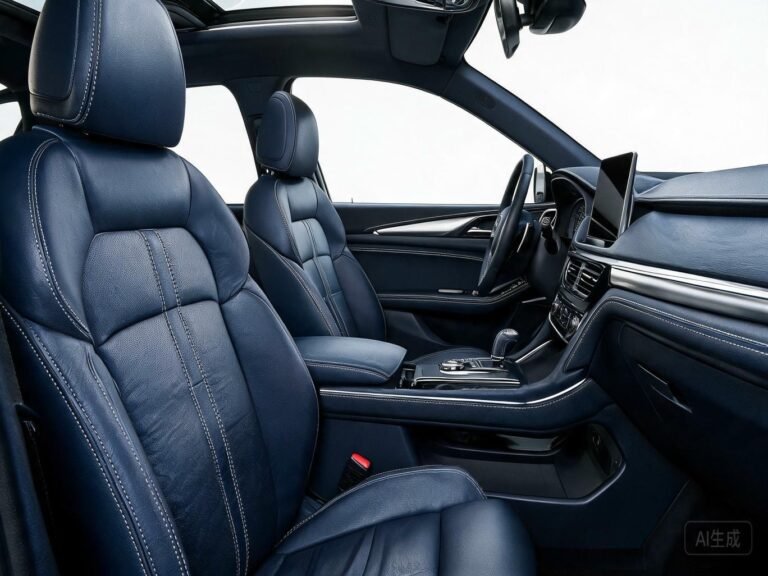
Automotive Interiors. Carmakers increasingly specify silicone-coated materials for seats, dashboards, and door panels — driven by strict low-fogging requirements (FMVSS 302, EN 13773 Class 4) and the shift toward EV interiors that demand high-temperature tolerance for heated seating. Our automotive interiors page details the specific grades available.
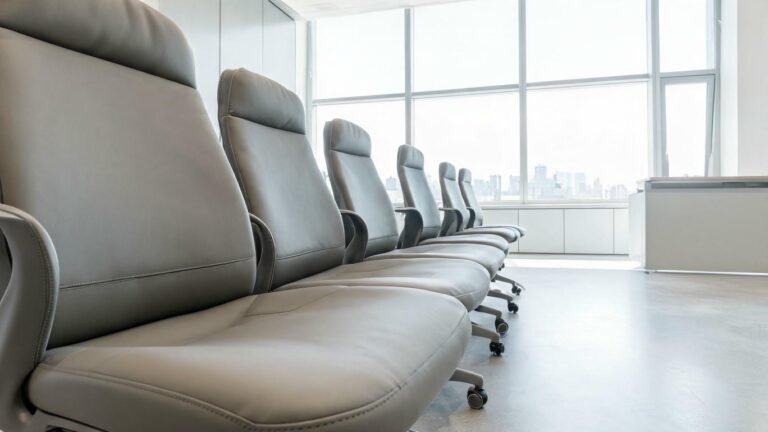
Contract Furniture & Hospitality. Hotel chains, cinema operators, and restaurant groups need upholstery that survives heavy daily use and aggressive cleaning protocols. Silicone fabric holds up against alcohol-based disinfectants, bleach solutions, and repeated steam cleaning — something PU simply cannot match.
Marine & Outdoor. Salt spray, UV exposure, and temperature extremes destroy most coated fabrics within a few seasons. Silicone coated fabric passes 500+ hours of salt spray testing and maintains its color and flexibility under prolonged UV exposure, making it ideal for yacht upholstery, outdoor furniture, and camping equipment.

Comparing material structures: the silicone-to-substrate bond creates a fundamentally different performance profile compared to solvent-based alternatives.
Seeing the Process in Action
Technical specs on paper are one thing — watching the actual production process gives you a much clearer picture of quality control. The video below walks through our release paper coating process, the step where the silicone surface texture and appearance are determined.
Watch how liquid silicone is coated onto embossed release paper — the foundation of every silicone leather product.
What to Look for When Sourcing Silicone Fabric Coating
Not all silicone coated fabric is created equal. Here is a practical checklist we recommend to procurement teams evaluating potential suppliers:
- Coating Process Transparency. Ask for a detailed production flowchart. A reputable supplier will explain their curing zones, lamination temperatures, and quality checkpoints. If a supplier is vague about process parameters, that is a red flag.
- Third-Party Testing. Verify that performance claims are backed by independent test reports from recognized labs (SGS, Intertek). Martindale abrasion, ISO 12947-2 flex endurance, and ASTM G154 UV testing are the non-negotiable benchmarks.
- Certification Coverage. Ensure the material meets your target market requirements — REACH for Europe, FDA 21 CFR 177.2600 for food-contact applications, ISO 10993 for medical-grade use, and FMVSS 302 for automotive.
- Customization Capability. Can the supplier adjust coating thickness, substrate type, texture, and color? OEM buyers often need bespoke specifications that off-the-shelf products cannot meet.
- Minimum Order & Lead Time. Silicone coated fabric typically requires a minimum order of 300–500 meters per color. Lead times should be 7–15 days for stocked items, longer for custom runs.

Every roll of silicone coated fabric undergoes visual and mechanical inspection before shipping — peel strength, color consistency, and surface defects are checked.
Frequently Asked Questions
Is silicone coated fabric the same as silicone leather?
They are closely related. “Silicone coated fabric” refers more broadly to any textile with a silicone surface layer, while “silicone leather” specifically denotes coated fabrics engineered to replicate the appearance, hand-feel, and performance of genuine leather. At TOPSUN, our silicone leather products are a specialized category of silicone coated fabric optimized for upholstery applications.
Can silicone fabric be sewn like regular upholstery material?
Yes. Sewable silicone fabric maintains the tensile strength and flexibility of its textile substrate, so it can be cut, sewn, and upholstered using standard industrial equipment. The silicone surface layer is flexible enough to fold without cracking, which is critical for automotive and furniture manufacturing. We recommend using PTFE-coated needles to reduce friction during high-speed sewing.
How does the cost compare to PU leather?
Silicone coated fabric carries a higher per-meter cost than standard PU — typically 30–50% more at the material level. However, the total cost of ownership often favors silicone when you factor in service life (10+ years versus 3–5 years), reduced warranty claims, and lower maintenance. For a deeper cost analysis, see our silicone vs PU vs PVC comparison.
What substrate materials are compatible with silicone coating?
The most common substrates are polyester and cotton woven fabrics. Polyester offers superior dimensional stability and tensile strength, making it the standard for automotive and contract furniture. Cotton provides a softer hand-feel suited to residential upholstery. Blended substrates are also available for applications requiring a balance of both properties.
The Bottom Line for Buyers
Silicone coated fabric represents a genuine leap forward in coated textile technology. The solvent-free dry coating process eliminates VOC emissions at the source, the platinum-cure chemistry delivers inherent flame resistance without additives, and the Si-O bond backbone provides a temperature and UV tolerance that PU and PVC simply cannot achieve. For sourcing teams evaluating materials for automotive, hospitality, marine, or medical applications, the performance numbers make a compelling case — especially when total lifecycle cost is factored in.
The best way to assess whether silicone coated fabric is right for your next project is to test it yourself. Feel the hand, run your own abrasion tests, and see how it performs under your specific end-use conditions. We have seen firsthand that once buyers work with silicone-coated materials, few go back to conventional PU.
About TOPSUN
TOPSUN is a specialized manufacturer of silicone leather and silicone coated fabric, operating a 60,000 sqm facility with 18 production lines and a monthly capacity of 600,000 sqm. We serve OEM and ODM buyers across automotive, furniture, marine, medical, and consumer electronics sectors worldwide.
Relevant Certifications: REACH (EC 1907/2006) | FDA 21 CFR 177.2600 | ISO 10993 Biocompatibility | EN 13773 Class 4 Flame Retardant | FMVSS 302 Automotive | RoHS | SGS & Intertek Tested