Selecting upholstery fabric for a commercial project is fundamentally different from choosing material for residential use. A hotel sofa endures 10-50 times more sit cycles than a living room couch. A restaurant booth faces weekly wipe-downs with degreasing agents. Airport seating must comply with strict fire codes while withstanding 24/7 use and occasional vandalism. The wrong material choice leads to premature wear, warranty claims, and expensive reupholstering — often within the first two years. This guide helps procurement teams and specifiers navigate the key material options, performance benchmarks, and supplier evaluation criteria for commercial upholstery fabric.
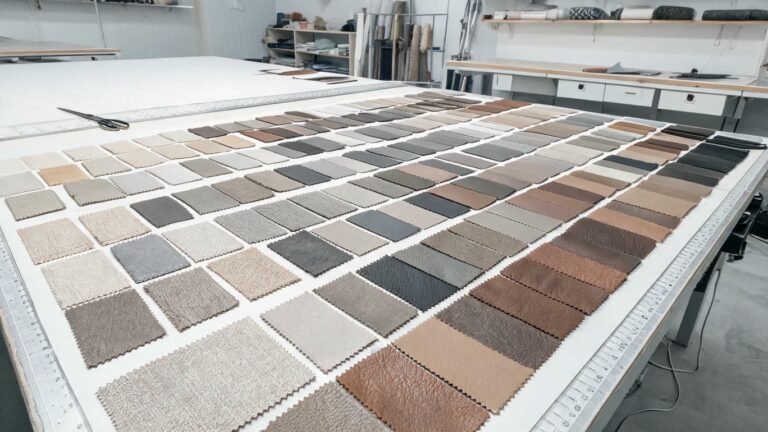
Request Commercial Fabric Samples
Upholstery Material Options for Commercial Spaces
Commercial upholstery fabric falls into four broad categories. Each has a performance profile suited to specific traffic levels and maintenance regimes:
Woven Textile Fabric. Cotton-polyester blends, wool blends, and solution-dyed acrylics. These offer a wide range of colors and patterns with a natural hand-feel, but they absorb stains, are difficult to disinfect, and typically require professional cleaning. Martindale ratings range from 20,000 to 100,000 cycles depending on weave density.
PVC Vinyl. The workhorse of commercial upholstery for decades — inexpensive, water-resistant, and available in hundreds of colors. However, PVC contains plasticizers that migrate over time, causing cracking and surface tackiness. It also faces growing environmental scrutiny from sustainability-conscious buyers.
PU Upholstery Material. A step up from PVC in hand-feel and aesthetics. PU offers a softer, more leather-like texture with better color consistency. The downside: limited service life (3-5 years in commercial settings), vulnerability to alcohol-based cleaners, and hydrolysis in humid environments.
Silicone Upholstery Fabric. The newest option and the strongest performer for demanding commercial environments. Silicone-coated fabric combines zero-VOC production, inherent flame resistance, 100% waterproof performance, and exceptional durability (Martindale ≥200,000 cycles). It is also alcohol- and bleach-resistant — a decisive advantage for healthcare and hospitality. Explore our furniture and sofa applications for specific grades.

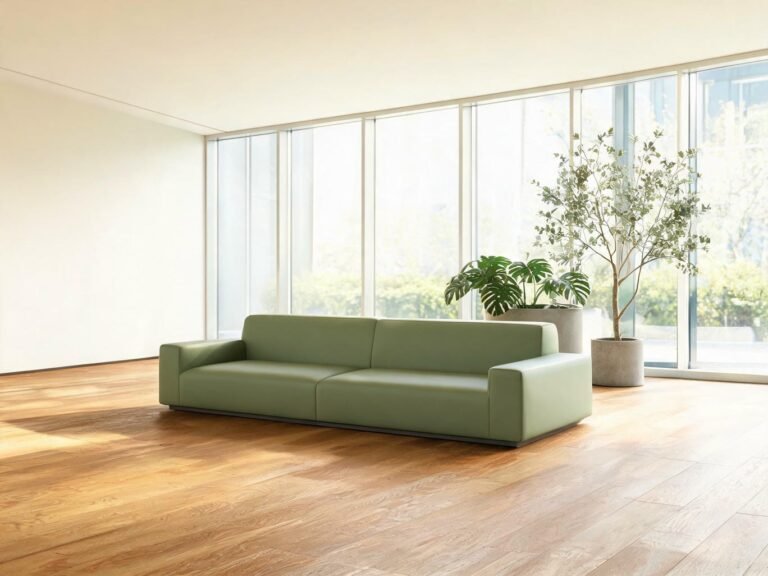
Silicone upholstery fabric demonstrates exceptional softness and flexibility — critical for comfortable commercial seating.
Performance Benchmarks for Contract Upholstery Fabric
When specifying fabric for contract use, test data matters more than marketing claims. Here is a comparison across the performance metrics that directly affect commercial durability:
| Performance Metric | Woven Textile | PVC Vinyl | PU Material | Silicone Fabric |
|---|---|---|---|---|
| Martindale | 20,000-100,000 | 30,000-60,000 | 40,000-80,000 | ≥ 200,000 |
| Stain Resistance | Low — absorbs liquids | Moderate | Moderate | Excellent — wipes clean |
| Alcohol/Bleach | Cannot be disinfected | Poor — surface damage | Poor — cracking | No degradation |
| Flame Retardancy | Requires treatment | Self-extinguishing | Requires treatment | Inherent (no additives) |
| Service Life | 3-7 years | 2-4 years | 3-5 years | 10+ years |
| VOC Emissions | Low (natural fibers) | Moderate (plasticizers) | Moderate (DMF solvents) | Zero |
Project Experience: We recently supplied silicone upholstery fabric to a hotel group renovating 2,000 rooms across three properties. Their previous PU upholstery needed replacement every 3 years at roughly $180 per room. After switching to silicone, the projected replacement cycle extended to 10+ years — saving an estimated $720,000 in reupholstering costs across the portfolio. The housekeeping team also reported a 60% reduction in cleaning time since the silicone surface wipes clean in a single pass.
Choosing Fabric by Traffic Level and Environment
Not every commercial space demands the same level of material performance. Here is a practical framework for matching upholstery fabric to the specific stressors of each environment:
High-Traffic Public Spaces (Airports, Transit, Stadiums). These environments demand the toughest materials — 24/7 use, UV exposure from skylights, and cleaning protocols that include industrial-grade disinfectants. Silicone upholstery fabric is the strongest candidate, with PVC vinyl as a budget alternative where shorter replacement cycles are acceptable. Woven textiles should be avoided entirely.
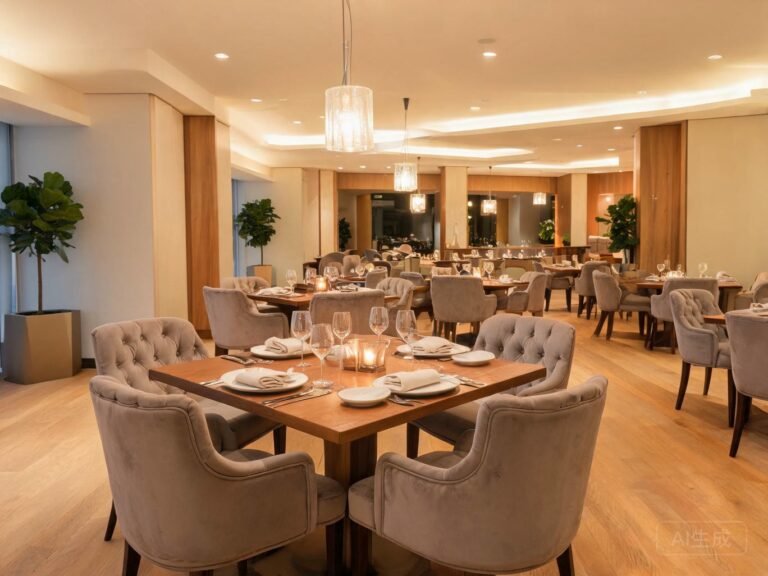
Hospitality (Hotels, Restaurants, Bars). Aesthetic appeal matters alongside durability. Hotel lobbies and fine dining rooms need fabric that looks premium while surviving daily cleaning and guest use. Silicone and high-quality PU both work; woven textiles are acceptable for low-contact decorative elements like wall panels and drapery. See our hotel upholstery fabric guide for hospitality-specific recommendations.
Healthcare & Senior Living. Infection control is the top priority. Fabric must withstand bleach, alcohol, and hydrogen peroxide disinfection without degrading. Silicone is the only material that handles this without special coatings or additives. For medical healthcare upholstery, silicone is increasingly becoming the default specification.
Office & Corporate. Moderate traffic with an emphasis on professional appearance and comfort. PU and premium woven textiles are common choices, with silicone gaining traction among companies with strong sustainability commitments.

Commercial sofa production — the choice of upholstery fabric determines the product’s performance and lifespan.
Fire Codes: Why Flame Retardancy Matters in Upholstery Fabric
Commercial upholstery fabric must meet fire safety codes that vary by region and application. Understanding these codes is non-negotiable for specifiers:
| Fire Standard | Region | Typical Application |
|---|---|---|
| EN 13773 (Class 1-5) | European Union | Contract furniture (Class 4+ for public spaces) |
| California TB 117-2013 | United States (California) | Upholstered furniture (smolder test) |
| FAR 25.853 | Aviation (Global) | Aircraft seating and interior panels |
| FMVSS 302 | Automotive (Global) | Vehicle interior materials |
| BS 5852 | United Kingdom | Furniture and furnishings in public buildings |
Here is the key advantage of silicone upholstery fabric: it passes all major fire standards without requiring chemical flame retardant treatments. The National Fire Protection Association (NFPA) recognizes inherently flame-resistant materials as the preferred approach for life safety, as they do not rely on chemical treatments that can degrade or leach over time. The silicone polymer itself is inherently flame resistant due to its Si-O bond structure, which forms a protective silica layer when exposed to fire. This eliminates the health concerns associated with halogenated flame retardants — a growing issue for European buyers subject to REACH restrictions.
See how silicone upholstery fabric passes flame retardancy tests without chemical additives — critical for commercial fire code compliance.
Get a Contract Upholstery Quote
Evaluating Upholstery Fabric Manufacturers
For procurement teams sourcing contract upholstery fabric, the manufacturer evaluation should go beyond price quotes. Here is what separates professional suppliers from commodity traders:
- Complete Test Data Package. Martindale abrasion, Wyzenbeek abrasion (for US specifiers), ISO 105 color fastness (light and rubbing), and flame retardancy certificates for every color and texture in their range.
- Fire Certification Documentation. Original fire test certificates — not copies, not summaries. Verify that the specific SKU you are ordering has been tested, not just a “similar” product.
- Batch Consistency Samples. Request production samples from at least two different batches and compare color, thickness, and hand-feel. Color variance is the number-one complaint in commercial fabric sourcing.
- Width and Yield Options. Standard widths (1,370-1,500 mm) vs. wide-width (1,800+ mm) affect cutting yield and material cost per seat. A supplier offering wider fabric can reduce your material waste by 10-15%.
- Cleaning Protocol Compatibility. Ask for documentation showing the fabric’s performance after repeated exposure to your specific cleaning chemicals — isopropyl alcohol, quaternary ammonium, hydrogen peroxide, or enzymatic cleaners.

Finished upholstery fabric rolls in the warehouse — organized by color and width for efficient order fulfillment.
Frequently Asked Questions
What Martindale rating do I need for commercial upholstery?
For general commercial use, a minimum of 40,000 Martindale cycles is recommended. For high-traffic public spaces (airports, transit, stadiums), specify 100,000+ cycles. Contract hospitality furniture typically requires 80,000-100,000 cycles. Silicone upholstery fabric consistently delivers ≥200,000 cycles — well above even the most demanding specifications.
Can upholstery fabric be disinfected between guests?
It depends on the material. Woven textiles cannot be effectively disinfected — they absorb liquids and harbor bacteria in the fiber structure. PVC and PU can be wiped but degrade after repeated alcohol exposure. Silicone upholstery fabric is the only option that withstands industrial-grade disinfection (70% IPA, sodium hypochlorite, hydrogen peroxide) without surface degradation. This is why it is increasingly specified for hotel and healthcare environments.
Is silicone fabric more expensive than PU vinyl for upholstery?
At the material level, yes — typically 30-50% more per meter. However, when you calculate total cost of ownership (material cost + installation labor + replacement frequency), silicone often delivers lower costs over a 10-year period. One installation of silicone upholstery at 10-year life versus three installations of PU at 3.5-year life means the labor savings alone can offset the material premium.
Specifying Upholstery Fabric That Performs Under Pressure
Commercial upholstery fabric selection is a decision that echoes through years of product life — or, if made poorly, months of warranty headaches. The most effective approach is to start with the application’s specific stressors (traffic level, cleaning protocol, fire code, UV exposure) and match those requirements to verified material performance data, not marketing claims.
Request physical samples, run them through your own cleaning and wear simulations, and make the decision based on evidence. The upfront time investment in proper material evaluation pays for itself many times over in reduced replacement costs and fewer warranty claims.
Request Your Commercial Samples
About TOPSUN
TOPSUN manufactures silicone upholstery fabric for commercial furniture, automotive, healthcare, and marine applications. Our solvent-free coating process produces zero-VOC materials with inherently flame-retardant properties, backed by 18 production lines and a 600,000 sqm monthly capacity.
Relevant Certifications: EN 13773 Class 4 | FMVSS 302 | FAR 25.853 | California TB 117-2013 | REACH | RoHS | ISO 16000-6 Zero VOC | SGS & Intertek Tested