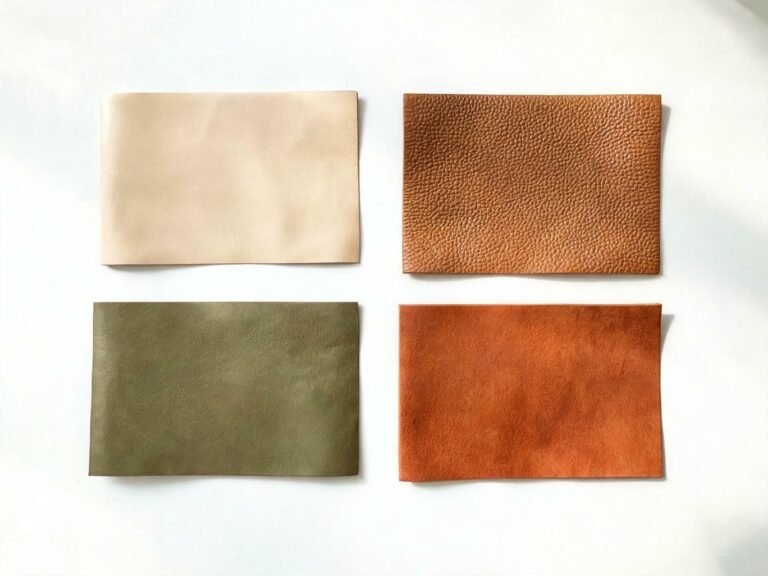
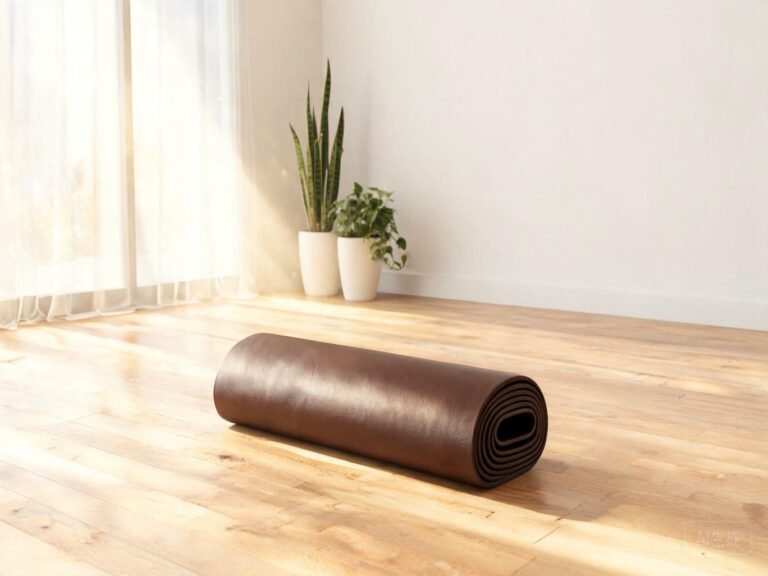
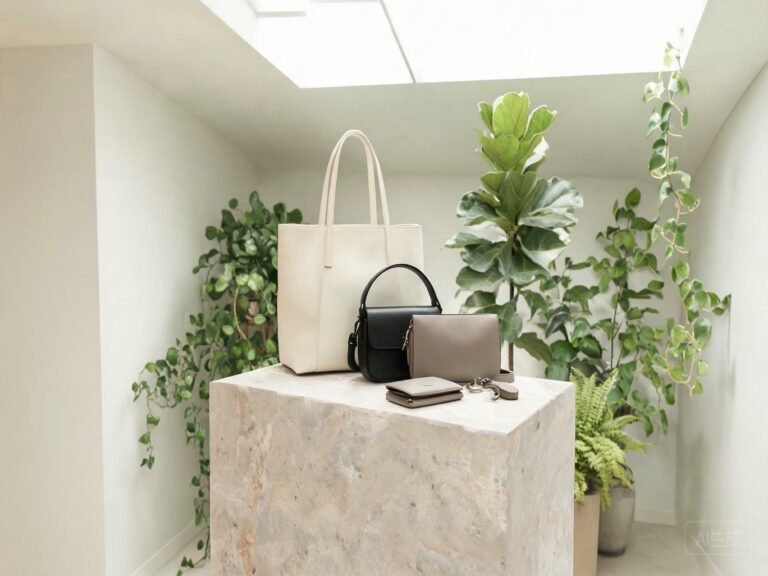
If you are sourcing upholstery materials for furniture, automotive interiors, or fashion accessories, you have probably noticed one term showing up everywhere: vegan leather. But what exactly is it? The reality is that vegan leather is not a single material. It is an entire category of animal-free alternatives that range from petroleum-based synthetics to plant-based innovations and high-performance silicone coatings. For B2B buyers, the challenge is not finding vegan leather. It is finding the right type that meets your durability, compliance, and budget requirements. In this guide, we break down what vegan leather is made of, how it compares to animal leather, and what to look for when choosing a supplier.
What Is Vegan Leather Made Of?
At its core, vegan leather is any material engineered to look and feel like animal hide without using animal products. The most common types include polyurethane (PU), polyvinyl chloride (PVC), and an emerging wave of plant based leather options derived from pineapple leaves, mushroom mycelium, or apple waste. Each offers a different balance of cost, texture, and sustainability.
PU leather dominates the mid-market because it is soft, lightweight, and easy to color-match. PVC leather is cheaper and more rigid, but it carries a heavier environmental footprint due to plasticizers and chlorine content. For buyers focused on brand positioning, vegetarian leather made from organic waste streams offers a compelling story. However, plant-based options can struggle with scalability and consistent grain texture at high volumes.
That gap is exactly why silicone faux leather has gained traction among OEM buyers. It delivers the hand-feel of premium PU without the petroleum dependency. If you want a deeper dive into composition, see our post on what vegan leather is made of.

How Animal-Free Leather Stacks Up Against Animal Hide
Animal leather still sets the benchmark for tensile strength and natural patina. But for many commercial applications, vegan alternatives now offer comparable performance at a lower unit cost, with the added benefit of batch-to-batch consistency. Here is a side-by-side look at what procurement teams actually care about.
| Property | Animal Leather | High-Grade Vegan Leather |
|---|---|---|
| Tensile Strength | Excellent | Good to Excellent (silicone-based) |
| Water Resistance | Requires treatment | Inherent in most synthetics |
| Color Consistency | Varies by hide | Highly consistent |
| Unit Cost | High | Low to Medium |
| Customization | Limited by hide size | Wide (embossing, color, thickness) |
| Maintenance | Oiling, conditioning | Wipe-clean |
The takeaway? If your project demands maximum biocompatibility or a specific aesthetic aging effect, animal leather may still win. But for scalable production across furniture, automotive, or fashion, modern vegan materials have closed the gap significantly.
Silicone Faux Leather: The Performance Upgrade
Not all vegan leathers are created equal. In our experience supplying B2B clients across automotive and furniture sectors, the most common complaint about standard PU leather is hydrolysis degradation. In humid environments or after extended contact with skin oils, PU can crack or peel within two to three years. That is a warranty headache OEM buyers cannot afford.
Silicone faux leather solves this. Its surface is built on a silicone polymer network rather than a urethane coating. The result is a material that resists UV aging, maintains color fastness under harsh lighting, and tolerates temperature swings from -30C to 120C without cracking. For automotive seating and outdoor furniture, that durability threshold matters.
See why manufacturers are switching to silicone-based upholstery.
Another advantage is the clean chemistry. Silicone leather does not rely on solvents, plasticizers, or heavy metals during production. That makes it easier to pass REACH, RoHS, and CA Prop 65 compliance tests. If your brand story centers on cruelty free leather and verifiable eco friendly leather credentials, silicone offers a data-backed narrative rather than marketing fluff.
Explore Silicone Leather Collections
Top Industries Adopting Animal-Free Upholstery Materials
Demand for animal-free upholstery is no longer limited to niche fashion labels. Here are the three sectors where we see the strongest procurement growth.
Fashion & Sports. Bags, footwear, and wearable tech straps need lightweight materials with consistent dye lots. Vegan leather delivers predictable color matching and embossing across large orders. Check our fashion and sports applications for specific grade recommendations.
Furniture & Sofa. Residential and commercial furniture buyers prioritize stain resistance and ease of cleaning. A quick wipe with mild soap is usually enough for daily maintenance. Our furniture upholstery solutions cover everything from residential sofas to high-traffic public seating.
Automotive Interiors. Car manufacturers and aftermarket suppliers need materials that pass fogging, flammability, and abrasion tests. The latest silicone-coated vegan leathers meet FMVSS 302 and OEM low-VOC standards, making them ideal for flame-retardant and hydrolysis-resistant grades.

Choosing a Reliable Animal-Free Leather Supplier
Once you have narrowed down the material type, the next challenge is vetting your vegan leather manufacturer. Not every factory that claims to produce eco-friendly materials can back it up with documentation. Here is what we recommend checking before placing a bulk order.
- Certification stack. Ask for REACH, RoHS, and ISO 9001 as a baseline. For medical or baby products, add ISO 10993 and FDA compliance.
- Customization depth. Can the supplier adjust thickness, embossing patterns, and color to your spec? A true vegan leather supplier should offer R&D support, not just off-the-shelf rolls.
- Production scale. Minimum order quantities matter. Some boutique plant-based producers cap at a few hundred meters per batch. If you need tens of thousands of meters, confirm monthly capacity upfront.
- Sample-to-production consistency. Request A4 swatches, then compare them against the first production batch for color delta and hand-feel.
Pro tip from our sourcing team: Always request a hydrolysis resistance report if you are specifying PU or silicone leather for humid climates. A 5-year accelerated aging test is the industry standard for furniture and automotive contracts.
Frequently Asked Questions
Is vegan leather the same as faux leather?
Yes and no. Faux leather is a broad term for any synthetic leather imitation. Vegan leather specifically implies no animal derivatives were used. All vegan leather is faux leather, but not all faux leather is marketed as vegan. For a full breakdown, PETA offers a helpful overview of vegan leather types.
How long does vegan leather last?
Lifespan varies by chemistry. Entry-level PVC may show surface wear within one to two years. High-quality PU lasts three to five years with normal use. Silicone-coated vegan leather can exceed seven years in residential furniture and automotive seating applications thanks to its UV and hydrolysis resistance.
Is sustainable leather actually better for the environment?
It depends on the metric. Plant-based leathers score well on biodegradability but often require water-intensive processing. PU reduces animal agriculture impact yet relies on petroleum. Silicone leather is not biodegradable, but its extremely long lifespan means less frequent replacement and lower total lifecycle waste. According to Grand View Research, the global vegan leather market is projected to grow at over 7% CAGR through 2030, driven largely by durability improvements rather than just ethical branding.

Is Vegan Leather Right for Your Next Project?
The shift toward vegan leather is not a passing trend. It is a structural change in how brands source upholstery, driven by consumer demand, regulatory pressure, and genuine material innovation. Whether you need sustainable leather for a furniture line, durable seating for fleet vehicles, or fashion-forward finishes for accessories, the key is matching the right chemistry to your performance requirements.
Do not settle for generic “eco-friendly” claims. Ask for test data, request production samples, and verify certifications before you commit. The best vegan leather supplier is the one that can prove performance, not just promise it.
About TOPSUN
TOPSUN is a specialized silicone leather manufacturer serving B2B clients across automotive, furniture, fashion, and medical sectors. We offer OEM/ODM customization, color-matching, and texture design services with production capacity scaled for global brands.
Certifications: REACH, RoHS, FDA, ISO 9001 | Key strengths: Flame-retardant grades, hydrolysis resistance, low-VOC automotive compliance, free sample program.