When you source upholstery for airports, hospitals, or cinemas, one specification sits above all others: silicone leather fire safety. A single non-compliant material choice can shut down projects, trigger liability issues, or worse, endanger lives. That is why procurement teams now demand proof of flame resistance before signing bulk orders.
At TOPSUN, we engineer super flame-retardant silicone leather that passes EN 13773 Class 4, FMVSS 302, UL 94 V0, and FAR 25.853. In this guide, we break down every standard that matters. You will learn what each test measures. You will see how silicone leather achieves these ratings. And you will discover where it performs best in real-world public spaces.
Explore Super Flame-Retardant Collection
Why Fire Safety Matters in Public Space Upholstery
Public spaces share one trait: high occupancy, limited exits, and zero tolerance for fire risk. Traditional upholstery materials—standard PU leather, PVC, or even natural leather—can ignite quickly and release toxic smoke. Regulators across the EU, North America, and Asia have responded with increasingly strict flammability codes.
The global flame-retardant silicone leather market reached $618 million in 2024. It is projected to hit $759 million by 2031, growing at a 3.2% CAGR, according to QYResearch. That growth is not driven by trend. It is driven by regulation, liability, and the simple fact that buyers now refuse to compromise on safety.
Key fact: Smoke inhalation causes more fire-related deaths than burns. That is why modern standards test both flame spread and smoke toxicity.

Key Global Flammability Standards Explained
Not all flame-resistant labels are equal. Each standard tests a different ignition source, burn rate, or smoke profile. Below is a side-by-side comparison of the five certifications that matter most for public-space upholstery.
| Standard | Region | What It Tests | Key Requirement |
|---|---|---|---|
| EN 13773 | EU | Curtains, drapes, upholstery flame spread | Class 4 = no flame propagation |
| FMVSS 302 | USA | Automotive & transport interior materials | Burn rate ≤ 102 mm/min |
| UL 94 | International | Plastic material flammability | V0 = self-extinguishes in 10s |
| BS 5852 | UK | Upholstered furniture ignition resistance | Pass cigarette & flame ignition sources |
| FAR 25.853 | Aviation | Aircraft cabin interior materials | 12s vertical burn test, self-extinguishing |
Here is the catch: passing one standard does not guarantee compliance in another market. A fabric rated for FMVSS 302 may still fail BS 5852 because the UK test uses different ignition sources. That is why multi-certification matters. TOPSUN’s super flame-retardant series carries full certification coverage for EU, US, UK, and aviation markets in one material.
How Silicone Leather Achieves Flame Retardancy
Conventional synthetic leather relies on halogenated flame retardants—chemicals that release toxic fumes when burned. Silicone leather takes a fundamentally different path. Its base chemistry, polydimethylsiloxane (PDMS), contains silicon-oxygen bonds that are inherently heat-resistant.
At TOPSUN, we use an inorganic flame-retardant system. When exposed to flame, the silicone matrix forms a stable ceramic-like char layer. This char insulates the underlying material and blocks oxygen, effectively self-extinguishing the fire. The result?
- No halogen gases. No dioxin release.
- Smoke density stays below 200 Ds max.
- Toxicity index (ITC) remains under 1.0.
- Operating range from -40°C to 250°C.
This inorganic approach is one of three primary technology routes in the industry. The other two are halogen-based and phosphorus-based systems. In our experience, inorganic silicone delivers the cleanest burn profile. That is exactly what regulators now demand for high-traffic public environments.
Watch how TOPSUN silicone leather performs under direct flame exposure.
Testing and Certification: What the Numbers Mean
Buyers often ask us: “What do Class 4 or V0 actually mean in practice?” Here is the reality behind the ratings.
EN 13773 Class 4 is the highest classification for curtains and drapes. In practical terms, the material must not propagate flame beyond the ignition zone. For seating upholstery, this translates to localized burn with zero spread—critical in a crowded theater or airport lounge.
UL 94 V0 demands that a vertically mounted specimen self-extinguish within 10 seconds after flame removal. No dripping flaming particles are allowed. V0 is not a participation trophy. It is the toughest rating in the UL 94 hierarchy. It is reserved for materials that actively stop fire rather than merely slow it.
FAR 25.853 adds another dimension. Aviation regulators require materials to pass a 12-second vertical burn test while also meeting strict smoke and toxicity thresholds. Few upholstery materials clear this bar. TOPSUN’s super flame-retardant collection does.

Applications in High-Risk Environments
Fire safety is not abstract. It is specific to the environment. We have supplied flame-retardant silicone leather to projects across five continents. Here is where it delivers the most value.
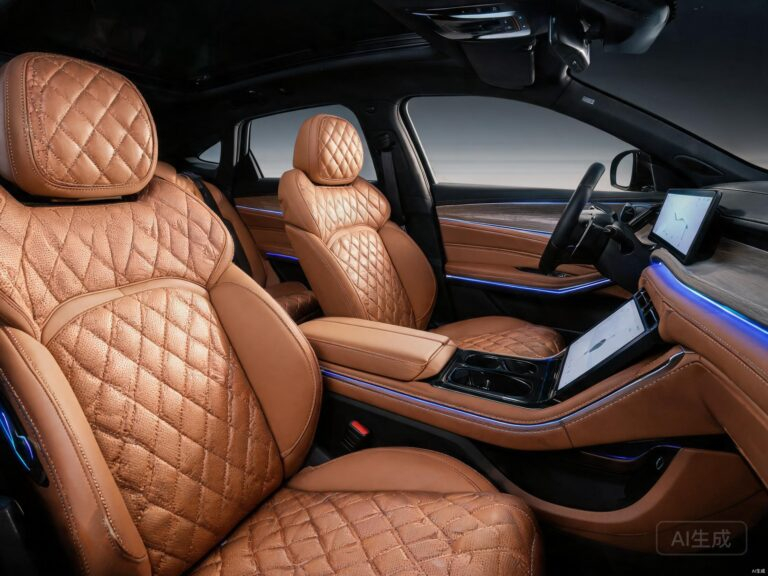
Mass Transit & Aviation: Aircraft cabins, airport terminals, and rail systems operate under the strictest fire codes. Airport seating must pass FAR 25.853 or equivalent national standards. Our silicone leather meets both the burn resistance and the low-smoke requirements that keep passengers safe during evacuation.
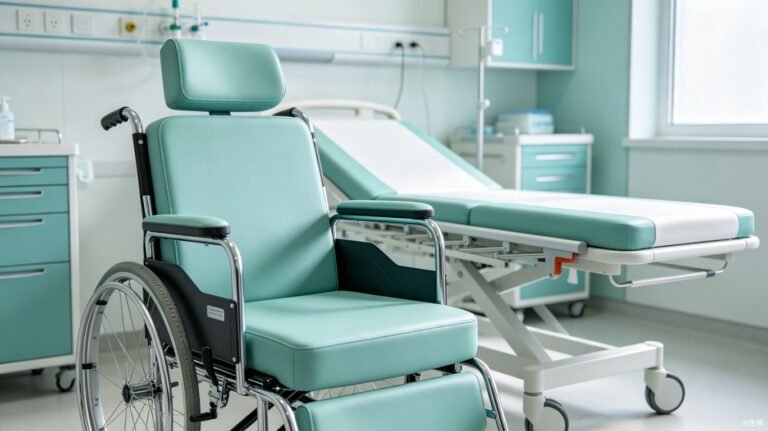
Healthcare: Hospital beds, waiting chairs, and examination tables face constant disinfection and wear. Fire safety adds another layer. Our material holds up to commercial cleaning protocols while maintaining its flame-retardant properties over years of use.
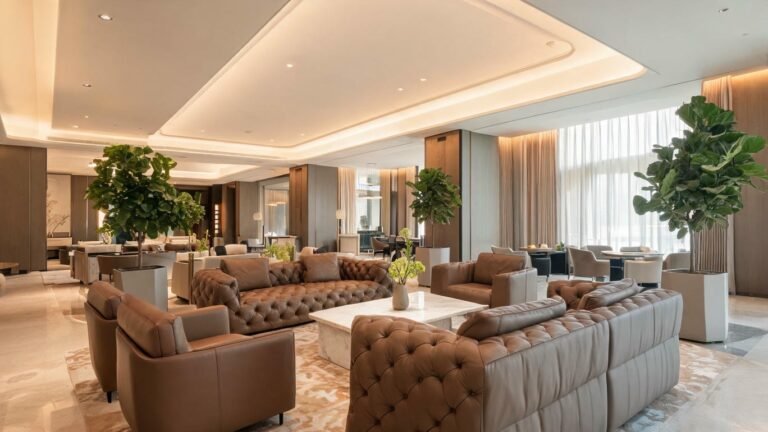
Cinema & Hospitality: Enclosed theaters with hundreds of seats in a dark room represent a concentrated fire load. The material must resist both open flame and cigarette ember ignition. Silicone leather passes BS 5852 ignition source tests, making it suitable for premium cinema seating and hotel upholstery.

Frequently Asked Questions
Is flame-retardant silicone leather more expensive than standard silicone leather?
Yes, but the gap is modest. The inorganic flame-retardant additives and additional testing add cost. For most B2B buyers, the price difference is offset by reduced liability. It is also offset by broader market access. And it covers compliance with projects that mandate fire-rated materials.
Does fire certification affect color or texture options?
No. TOPSUN’s flame-retardant series supports the same custom colors, embossed textures, and thickness ranges as our standard collections. You do not sacrifice design flexibility for safety.
How do I verify these certifications with my own testing?
We provide full certification documents and test reports with every order. For large projects, we also coordinate third-party testing at accredited labs in the EU, USA, or China. Contact our team to arrange sample testing against your specific market requirements.
Can silicone leather replace traditional leather in aviation interiors?
Absolutely. Our FAR 25.853-certified silicone leather is already used in aviation seating and cabin panels. It offers comparable tactile quality to genuine leather while delivering superior fire resistance, lighter weight, and easier maintenance.
Make Fire Safety a Specification, Not an Afterthought
Silicone leather fire safety is no longer a niche concern. It is a baseline requirement for any public-space upholstery project. With EN 13773, FMVSS 302, UL 94 V0, and FAR 25.853 all covered in one material, TOPSUN gives procurement teams a single-source solution that ships globally.
If you are specifying materials for transit, healthcare, cinema, or hospitality, silicone leather deserves a place on your shortlist. The certifications are real. The test data is documented. And the supply chain is ready.
Request Free Samples & Certifications
About TOPSUN
TOPSUN is a leading manufacturer of silicone leather for B2B OEM buyers worldwide. We supply custom flame-retardant, medical-grade, and automotive-grade silicone leather. Our clients span furniture, aviation, healthcare, and mass transit sectors. Our in-house R&D lab and full production line support color-matching and texture customization. We handle bulk orders from 500 meters to full container loads.
Fire Safety Certifications: EN 13773 Class 4 | FMVSS 302 | UL 94 V0 | FAR 25.853 | REACH | RoHS | ISO 10993