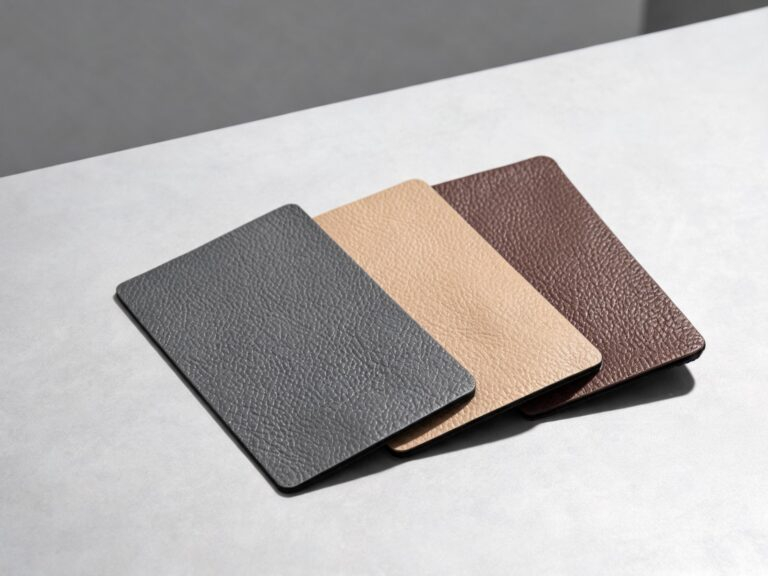
Airport terminals never close. Gates rotate passengers every few hours, and every seat absorbs relentless wear — spilled coffee, luggage scrapes, body oils, UV exposure through glass facades, and occasional deliberate vandalism. For procurement teams sourcing airport seating material, the stakes are unusually high: one wrong specification can trigger replacement costs across hundreds of units within months.
Silicone leather has emerged as a strong candidate for this punishing environment. It pairs the abrasion resistance that transit hubs demand with the cleanability and UV stability that conventional PU and PVC cannot sustain over a decade of daily use. This guide breaks down exactly what to look for when specifying public seating fabric for 24/7 transit — and why more specifiers are switching to silicone-based upholstery.
Why Airport Seating Material Must Survive 24/7 Public Use
The gap between domestic and public seating performance is enormous. A sofa in a living room might see two or three users a day. A single seat in a busy airport concourse can host 40+ different passengers in 24 hours.
That math changes everything. Abrasion cycles add up faster. Cleaning crews run disinfectant wipes across surfaces multiple times daily. UV exposure through terminal glass facades accelerates material breakdown. And then there is the human factor — luggage drag, shoe scuffs, intentional cutting. Bodies like BIFMA set dedicated public and lounge seating standards because the demands on waiting area furniture differ sharply from office or domestic use.

Modern airport terminals demand seating materials engineered for continuous high-volume use.
We have seen firsthand what happens when specifiers underestimate this load. In one project, a PVC-upholstered gate seating row showed surface cracking within 18 months — long before the projected five-year mark. The replacement cost, covering 200 seats, ran well into six figures. That is the real price of choosing the wrong airport seating material.
Key takeaway: In 24/7 transit environments, material failure is not a question of “if” but “when.” The right specification pushes that timeline past the 10-year mark.
Performance Demands for High Traffic Upholstery
When evaluating high traffic upholstery for transit environments, a handful of lab metrics separate materials that last from materials that fail. Here is what we test for — and what the numbers should look like:
| Property | Standard | Silicone Leather Spec |
|---|---|---|
| Martindale Abrasion | ISO 12947-2 | ≥200,000 cycles |
| Flex Resistance | ISO 5402 | ≥100,000 cycles |
| Tensile Strength | ISO 3376 | ≥15 N/mm |
| Tear Strength | ISO 34-1 | ≥20 N |
| Temperature Range | — | -40°C ~ 250°C |
| UV Resistance | ASTM G154 | No cracking/fading |
| VOC Emission | ISO 16000-6 | Zero |
| Water Resistance | AATCC 127 | Excellent |

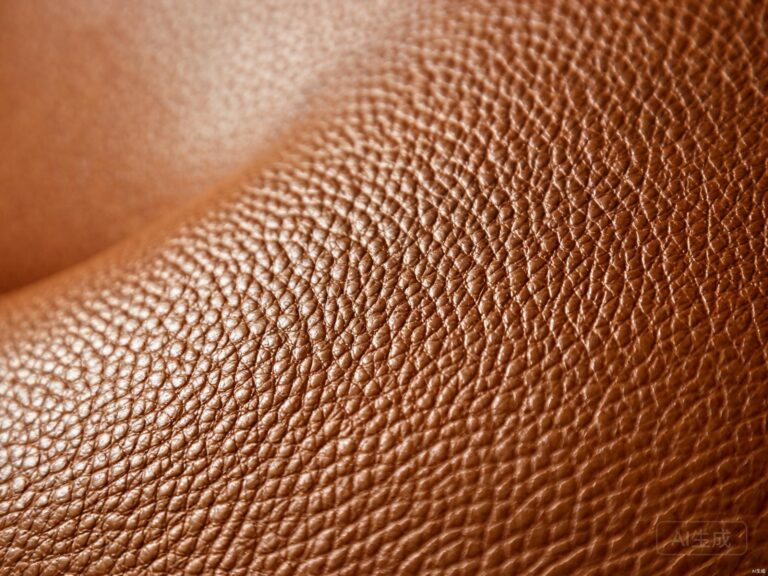
In-house Martindale abrasion testing confirms wear resistance before any material ships to transit furniture manufacturers.
The Martindale abrasion figure deserves special attention. Standard commercial PU leather typically tests around 25,000–50,000 cycles. Silicone leather rated at 200,000+ cycles offers roughly 4–8 times the wear headroom — the difference between replacing seats in year two versus year ten.
Temperature range matters more than most specifiers realize. Airport terminals in the Middle East see surface temperatures soar, while Scandinavian gate areas in winter can drop well below zero. A material rated for -40°C to 250°C handles both extremes without embrittlement or softening. For a deeper look at how these figures compare across material types, our faux leather furniture durability breakdown covers the full testing methodology.
Airport Seating Material: Anti-Vandal Solutions for Public Spaces
Vandalism is the unspoken variable in every transit furniture budget. Slashing, burning, and graffiti are not rare incidents — they are recurring costs that compound across hundreds of seats over a service life.
Anti-vandal seating starts with the upholstery. Silicone leather resists cuts better than standard PU thanks to its high tensile and tear strength (≥15 N/mm and ≥20 N respectively). Even when surface damage occurs, the material does not propagate tears the way coated fabrics do. That matters for commercial and hospitality environments where visible damage undermines the entire space.

Silicone leather delivers cut resistance and cleanability that conventional public seating fabric cannot match.
Cleanability is the second line of defense. Permanent markers, chewing gum, and adhesives that would permanently stain PVC wipe off silicone surfaces with standard cleaning agents. This matters because any public seating fabric that cannot be restored on-site gets replaced — and replacement is where budgets bleed.
Specifying anti-vandal transit seating material with silicone chemistry does not eliminate vandalism. But it does shift the cost equation from frequent replacement to occasional maintenance.
From Airport Lounge Seating to Waiting Area Furniture
Airport seating is not one uniform category. The performance demands shift depending on where the seat sits:
- Gate area seating: Maximum throughput, minimal comfort expectations, highest vandalism risk.
- Airport lounge seating: Premium feel required, moderate traffic, spill resistance critical.
- General waiting area furniture: Moderate traffic, balanced durability and comfort needs.

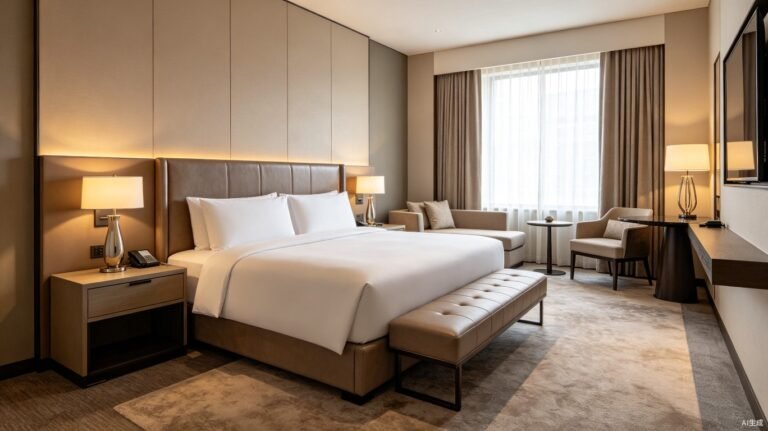
Airport lounge seating demands both premium aesthetics and the durability to handle daily spills and UV exposure.
Silicone leather adapts across all three tiers. For gate seating, the high abrasion and anti-vandal properties carry the day. For lounge environments, the soft hand feel and fade-resistant color retention deliver the premium aesthetic operators want. The same chemistry also performs in furniture sofa applications where both comfort and longevity matter.

UV and weather resistance proven in outdoor conditions translates directly to sun-exposed terminal facades.
We have worked with furniture manufacturers who supply both budget gate seating and high-end lounge collections. In both cases, silicone upholstery outperformed PU alternatives in lifecycle cost analysis — primarily because the 10+ year service life eliminated mid-cycle reupholstering. For specifiers evaluating material options across chair applications, additional comfort and ergonomics factors come into play.
Frequently Asked Questions
How long does silicone leather last in airport seating?
With proper specification, silicone leather delivers a 10+ year service life in airport environments. The material’s Martindale rating of ≥200,000 cycles and zero VOC emissions ensure performance holds up under continuous use without degradation or off-gassing.
Can silicone leather withstand frequent disinfectant cleaning?
Yes. Silicone chemistry is inherently resistant to chemical cleaning agents, including alcohol-based disinfectants used in airports. Unlike PU, which can embrittle and crack after repeated solvent exposure, silicone surfaces maintain flexibility and structural integrity.
What is the MOQ and lead time for airport seating material orders?
The minimum order quantity is 500 meters, with a lead time of 7–15 days. This supports both full terminal refit projects and phased rollout schedules common in airport renovation programs.
Is silicone leather fire-resistant enough for airport terminals?
Silicone leather meets EN 13773 and FAR 25.853 flammability standards. These certifications cover the fire safety requirements applicable to public transit environments, including airport terminals and aviation-adjacent spaces.
Making the Right Material Decision for Transit Environments
Specifying airport seating material is a decision that reverberates for a decade or more. The wrong choice means reupholstering hundreds of seats mid-cycle, disrupting terminal operations, and absorbing costs that should never have been necessary. The right choice — silicone leather with verified abrasion, flex, and tear performance — turns seating from a recurring liability into a stable, long-term asset.
For procurement teams evaluating airport seating material against PU, PVC, or genuine leather alternatives, the technical case is clear: 200,000+ Martindale cycles, zero VOC emissions, 10+ years of service life, and full REACH and FDA compliance. The next step is hands-on validation.
About TOPSUN
TOPSUN is a specialized silicone leather manufacturer serving B2B clients across furniture, automotive, medical, and public transit sectors. Our silicone upholstery materials are engineered for high-traffic environments where durability, safety, and cleanability are non-negotiable.
Certifications: REACH, FDA, PAHs, EN 13773, FAR 25.853 — MOQ 500 meters, lead time 7–15 days.