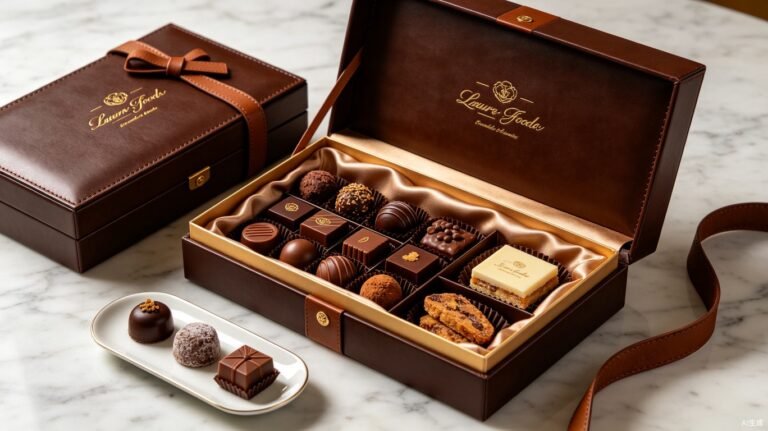
In the luxury goods industry, the packaging is the first physical touchpoint between your brand and the customer. A well-crafted leather box or case doesn’t just protect the product — it sets expectations before the lid is even opened. For procurement teams sourcing leather packaging material, the challenge is balancing premium aesthetics with manufacturing practicality, cost efficiency, and increasingly, sustainability expectations.
Request Free Material Swatches
Types of Leather Used in Premium Packaging
Not all leather packaging is created equal. The material you choose affects the visual impression, the manufacturing complexity, the unit cost, and the environmental profile of the final product. Here are the four main options:
Genuine Leather
Calfskin, lambskin, and cowhide remain the gold standard for ultra-luxury packaging — think watch boxes, jewelry cases, and limited-edition product presentations. The tactile warmth, natural grain variation, and heritage association are hard to replicate synthetically.
The problem? Cost and consistency. A single cowhide produces limited usable area after trimming defects, and natural variation means no two boxes look identical. For brands producing at scale, this creates inventory and QC headaches. Lead times also tend to be longer, especially for specific colors or finishes.
PU Leather
PU (polyurethane) leather is the workhorse of the packaging industry. It’s cost-effective, available in a wide range of colors and textures, and can be produced to consistent specifications batch after batch. Most mid-to-high-end packaging you encounter — from electronics boxes to wine gift sets — uses PU.
The trade-off is longevity. PU can hydrolyze in humid environments, leading to peeling and cracking over time. For packaging that’s meant to be kept and reused, this is a real concern. Our hydrolysis resistance guide explains this failure mode in detail.
PVC Leather
PVC is the most economical option and works well for high-volume, lower-price-point packaging. However, its environmental profile is increasingly problematic. EU REACH restrictions on certain phthalate plasticizers used in PVC production have made it less attractive for brands selling into European markets.
Silicone Leather
A newer entrant to the packaging space, silicone leather offers a different value proposition. It’s free of solvents, plasticizers, and volatile organic compounds (VOCs). It doesn’t hydrolyze, doesn’t crack in temperature extremes, and maintains its appearance over years of storage. For brands that want their packaging to endure as a keepsake — not just a disposable wrapper — it’s worth serious consideration.

Key Considerations When Sourcing Packaging Leather
Beyond the base material, several factors determine whether a leather packaging project succeeds or becomes a headache:
- Thickness and flexibility. Packaging typically requires material between 0.5mm and 1.2mm. Too thin, and it won’t hold shape around box corners. Too thick, and it becomes difficult to wrap tightly, causing visible creases.
- Adhesion compatibility. The material must bond reliably to the box substrate (MDF, cardboard, or plastic) using the manufacturer’s adhesive process. Some materials repel common adhesives, requiring specialized bonding agents.
- Color consistency across batches. If you’re ordering 10,000 boxes delivered in four shipments over six months, the leather must match. This is where synthetic materials have a clear advantage over genuine hides.
- Surface finish options. Matte, gloss, embossed, printed — the finish should align with your brand identity. Silicone leather supports custom texture design and color customization with excellent repeatability.
- Environmental compliance. AZO-free dyes, CA PROP 65 compliance, and REACH registration are table stakes for any material entering the EU or US markets.

Material Comparison for Packaging Applications
| Factor | Genuine Leather | PU Leather | Silicone Leather |
|---|---|---|---|
| Unit Cost | High | Low to medium | Medium |
| Longevity (5+ years) | Excellent (if maintained) | Poor; hydrolysis risk | Excellent; hydrolysis-resistant |
| Batch Consistency | Variable | Good | Excellent |
| Environmental Profile | Animal-derived; tanning concerns | Petroleum-based; solvent use | Solvent-free, VOC-free, REACH |
| Custom Texture/Color | Limited; natural constraints | Good flexibility | Highly customizable |
Common Packaging Applications by Material Type
Different products demand different packaging materials. Here’s a practical mapping:
- Watch and jewelry boxes: Genuine leather or high-end silicone leather for the premium feel and lasting quality
- Electronics (headphones, speakers): PU or silicone leather — good balance of aesthetics and cost
- Wine and spirits gift sets: PU leather — cost-effective at volume with good visual impact
- Cosmetics and perfumes: Silicone leather — clean, non-reactive surface that won’t transfer chemicals
- Corporate gifts and presentation sets: Silicone leather — consistent color, customizable embossing, eco-friendly positioning

Frequently Asked Questions
Can silicone leather be embossed or hot-stamped for branding?
Yes. Silicone leather accepts embossing, debossing, and foil stamping well. The material’s thermal stability means it holds embossed patterns without deforming or losing definition over time.
What’s the minimum order quantity for custom packaging leather?
At TOPSUN, custom color and texture orders typically start at 500 meters. Standard colors from our existing catalog can be ordered in smaller quantities. Contact our team for specific MOQ details.
Is silicone leather more expensive than PU for packaging?
Generally yes, but the gap has narrowed. When you factor in the longer shelf life, no hydrolysis-related returns, and the premium brand positioning it enables, silicone leather often delivers better total value — especially for products designed to be kept.
Getting Started with Your Packaging Project
The right leather packaging material depends on your product category, brand positioning, production volume, and how long the packaging is expected to last. We’d recommend starting with physical samples — feeling the material, testing how it wraps, and seeing how your branding looks on it. Our custom production guide walks through the typical process from concept to delivery.
Get a Custom Packaging Material Quote
About TOPSUN
TOPSUN manufactures silicone leather materials with full customization capabilities for color, texture, and thickness. Our packaging-grade leather is used by brands worldwide for gift boxes, product cases, and premium presentation materials.
Relevant certifications: REACH, FDA, PAHs-free, AZO-free. Solvent-free and VOC-free. All certificates issued by SGS and Intertek.