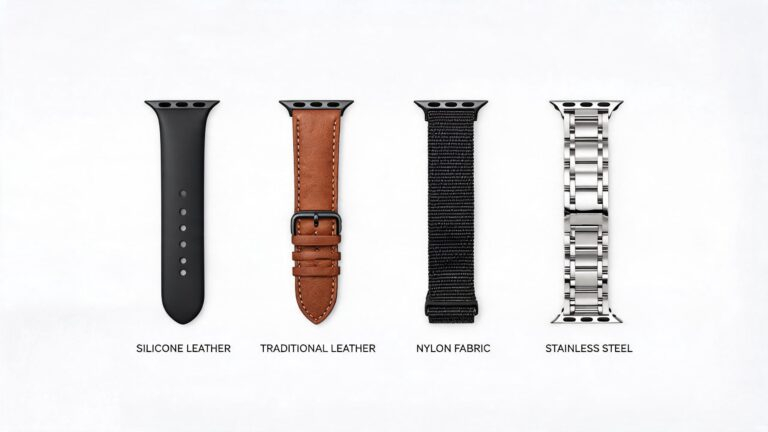
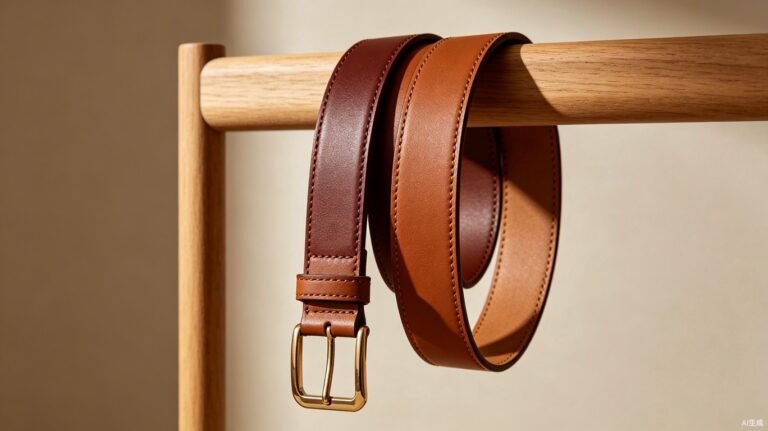
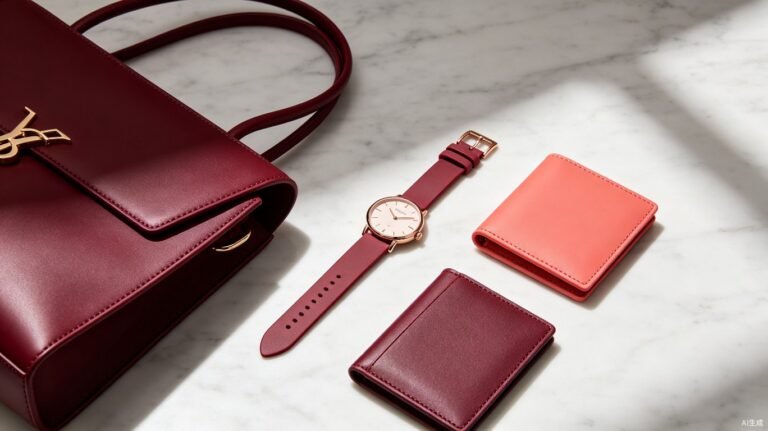
The watch industry has a materials problem it can no longer ignore. Traditional leather straps come with well-documented environmental and ethical costs. PU-based “vegan” alternatives trade one problem for another — solvent pollution and landfill waste. Meanwhile, a growing segment of watch buyers, particularly under 40, are asking where their strap comes from and what happens to it when they are done. The search for a genuinely sustainable watch strap has become one of the most active conversations in horology sourcing today.
This article compares the leading eco-friendly watch band materials on the metrics that matter to watch brands: longevity, comfort, aesthetics, and verifiable environmental credentials. The goal is to help sourcing teams move past marketing labels and make decisions based on material science.
The Problem With Conventional Watch Strap Materials
Before evaluating alternatives, it helps to understand why the current options fall short. Genuine leather — the traditional choice for dress watches — carries a heavy environmental footprint. Tannery operations are among the most polluting industrial processes globally, with chrome tanning in particular generating toxic wastewater. The leather supply chain also raises animal welfare concerns that an increasing number of brands prefer not to be associated with.
PU leather, the most common “vegan” alternative, avoids the animal issue but introduces its own problems. The manufacturing process relies on DMF solvent, which is regulated under REACH and restricted in the EU. PU straps crack, peel, and delaminate within 12–24 months of daily wear, and the material cannot be recycled — it ends up in landfill. Calling this “sustainable” requires a generous definition of the word.
Even metal bracelets, which last indefinitely, carry a carbon footprint from mining and refining that brands are increasingly expected to account for. The watch industry needs a strap material that is durable, comfortable, aesthetically versatile, and genuinely low-impact. That is a narrow target — but it is not empty.

Comparing Eco-Friendly Watch Band Materials
Several materials are competing for the sustainable strap position. Each comes from a different philosophy of what “eco-friendly” means in practice:
| Material | Eco Strength | Durability | Aesthetic | Key Limitation |
|---|---|---|---|---|
| Silicone leather | Solvent-free, recyclable, silica-based | 3–5 years, no cracking | Leather-like, premium | Higher cost than PU |
| Cork | Renewable, biodegradable | 1–2 years, frays at edges | Natural, textured | Brittle, limited color range |
| Recycled PET fabric | Diverts plastic waste | 2–3 years, pills over time | Fabric, casual | Not leather-like, absorbs odor |
| Plant-based (apple/grape) | Bio-content, story-driven | 6–18 months, inconsistent | Variable | Often PU-bonded, small scale |
| PU “vegan” leather | No animal content | 1–2 years, peels | Leather-like initially | DMF solvent, not recyclable |
The comparison reveals a clear hierarchy. Cork and recycled PET have genuine environmental merits but fall short on the aesthetics and longevity that watch straps demand. Plant-based leathers are promising but not yet production-ready at the quality and scale watch brands require. PU “vegan” leather is the least sustainable of the alternatives despite the marketing. Silicone leather stands alone as a material that delivers on all fronts — which is why it is increasingly the eco friendly watch band material of choice for brands that take sustainability seriously. For more on the broader sustainability case, see our analysis of vegan leather sustainability.

Why Silicone Chemistry Makes the Difference
The environmental advantage of a silicone watch strap comes down to chemistry. Silicone is a synthetic polymer derived from silica — essentially, refined sand. Unlike petroleum-based polyurethane, silicone does not require oil extraction, does not release solvents during manufacturing, and does not break down into microplastics in the environment.
When applied as a leather coating, silicone creates a surface that is hydrophobic, UV-stable, and inherently resistant to the sweat, sunscreen, and soap that watch straps encounter daily. This is not a coating that wears off — it is the material itself. The color is locked into the silicone matrix, which means a rich brown or navy strap will look the same after two years of sun exposure as it did on day one.

Color fastness testing — critical for straps exposed to daily sunlight and sweat
What this means for brands: A silicone leather watch strap can be marketed with verifiable sustainability claims — solvent-free production, recyclable material, silica-based chemistry — without the greenwashing risk that attaches to PU-based “vegan” alternatives. This is the kind of substantiation that EU Green Claims Directive compliance will increasingly require.
Comfort and Wearability: The Daily Test
Sustainability means nothing if the strap is uncomfortable. Watch straps are unique among accessories — they are worn snugly against the wrist for hours at a time, in all weather conditions, through activities ranging from desk work to swimming. The material needs to breathe, flex, and resist moisture simultaneously.
Cork straps, while eco-friendly, tend to be stiff and can chafe in hot weather. Recycled PET fabric straps are comfortable but absorb sweat and develop odor over time — a problem for a product that is supposed to last years. PU leather traps heat and, as it degrades, the cracking surface becomes abrasive against skin.
Silicone leather addresses these issues through its composite structure. The silicone surface is smooth and hydrophobic — sweat wipes off, water beads away. The textile backing provides structural flexibility and allows some air circulation, reducing the heat buildup that makes solid rubber straps uncomfortable in summer. The material is also hypoallergenic and plasticizer-free, which matters for the significant percentage of watch wearers who experience skin sensitivity with PU or chrome-tanned leather. For brands operating across fashion and sports categories, these comfort properties translate directly into customer satisfaction and lower return rates.
Frequently Asked Questions
Is a silicone watch strap suitable for luxury mechanical watches?
Yes. Silicone leather can be embossed with fine grain patterns — crocodile, pebble, smooth Nappa — that are visually indistinguishable from traditional leather at arm’s length. The material accepts edge painting, stitching, and hardware bonding to the same standards as animal leather. Several independent watch brands have already launched silicone leather strap collections positioned at premium price points.
How does silicone leather compare to cork for sustainability?
Cork is genuinely renewable and biodegradable, which gives it a strong environmental story. However, cork straps typically last only 1–2 years before fraying, whereas silicone leather straps maintain integrity for 3–5 years. From a lifecycle perspective, a longer-lasting product that does not need replacement is often the more sustainable choice — fewer resources consumed over time. Both materials are recyclable, but silicone leather offers better end-of-life separation of components.
Can recycled watch straps be made from silicone leather?
Yes. Silicone leather is mechanically recyclable — the silicone coating and fabric backing can be separated and reprocessed. Brands interested in closed-loop programs can work with suppliers to develop take-back systems. This is a meaningful advantage over PU leather, which cannot be recycled and contributes to microplastic pollution. Learn more about how this fits into the broader faux leather fashion sustainability movement.
Building a Strap That Lasts and Means Something
The watch industry’s shift toward sustainable materials is not a passing trend — it is a response to regulatory pressure, consumer expectations, and genuine environmental necessity. A sustainable watch strap made from silicone leather gives brands a material that is verifiably eco-friendly, comfortable for daily wear, aesthetically on par with traditional leather, and durable enough to justify a premium price. It outlasts PU, outperforms cork on longevity, and avoids the scale limitations of plant-based alternatives. For watch brands evaluating their next strap material line, the recommendation is straightforward: request samples, run your own wear and color-fastness tests, and compare the results against your current specification. The difference between a material that markets well and one that actually performs becomes clear within the first week of testing.
About TOPSUN
TOPSUN manufactures solvent-free silicone leather for watch brands, fashion accessory makers, and 3C electronics manufacturers. Our sustainable watch strap material is produced without DMF, plasticizers, or VOC emissions, and is available in custom grain patterns, Pantone-matched colors, and thicknesses from 0.6 to 2.0 mm.
Relevant compliance: REACH · RoHS · PAHs · Solvent-free production · Recyclable material · ISO 9001 certified