Silicone injection molding is changing how industries make precision parts. Are you searching for a reliable way to produce durable, high-performance components? This guide will show you everything you need to know.
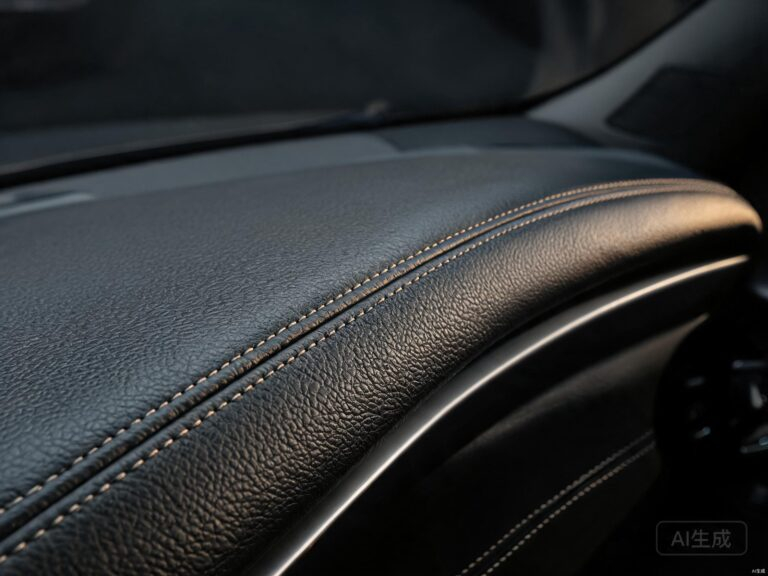
At TOPSUN, we understand silicone materials deeply. Our expertise covers both liquid silicone rubber (LSR) molding and premium silicone leather surfaces. We serve automotive, medical, 3C electronics, and many other sectors worldwide.
What Is Silicone Rubber Injection Molding?
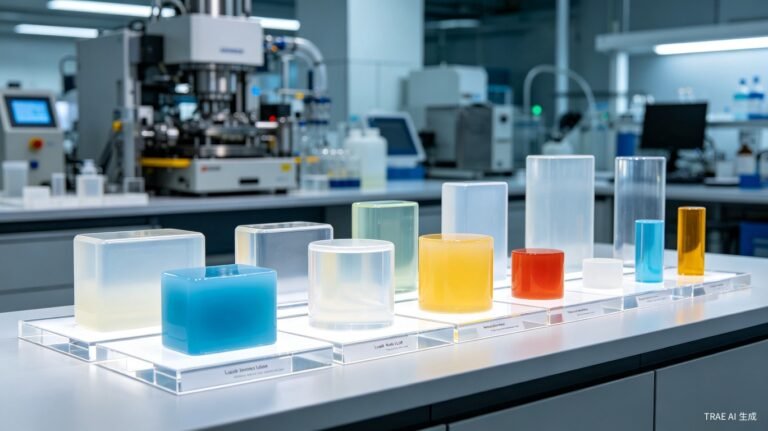
Silicone rubber injection molding is a manufacturing process. It shapes liquid silicone rubber (LSR) into precise parts. The method uses heat and pressure. It creates components with excellent flexibility and temperature resistance.
This process differs from traditional rubber molding. LSR starts as a two-part liquid. It flows easily into complex molds. The result is consistent, high-quality products every time.
Industries choose this method for many reasons. Here are the key benefits:
- High precision and repeatability
- Excellent heat resistance (-50C to 250C)
- Superior chemical stability
- Biocompatible for medical use
- Fast cycle times for mass production
- Low compression set
TOPSUN uses the same LSR materials in our silicone leather products. This ensures consistent quality across all applications.

How Does a Silicone Injection Molding Machine Work?
A silicone injection molding machine is specialized equipment. It handles liquid silicone rubber with precision. The machine mixes two components. Then it injects the mixture into a heated mold.
The main parts of the machine include:
- Material supply system with pumps
- Static mixer for component blending
- Injection unit with controlled pressure
- Heated mold clamping system
- PLC control for automated cycles
The machine operates under strict parameters. Temperature control is critical. Pressure must remain consistent. Timing affects the final product quality directly.
Modern machines offer advanced features. These include vacuum degassing and multi-cavity molds. Such technology boosts output and reduces waste significantly.
At TOPSUN, our production lines use state-of-the-art equipment. We combine factory automation with skilled technicians. This delivers reliable results for every batch.
The Silicone Injection Molding Process Step by Step
Understanding the silicone injection molding process helps buyers make better decisions. Each step affects quality, cost, and lead time. Let us break it down clearly.
Step 1: Material Preparation
LSR comes as two separate components. Part A contains the silicone polymer. Part B contains the catalyst. They remain stable when stored apart.
Step 2: Mixing
The machine mixes both parts in a 1:1 ratio. A static mixer blends them thoroughly. Vacuum degassing removes trapped air bubbles.
Step 3: Injection
The mixed LSR injects into the heated mold. Pressure forces the material into every cavity. The mold temperature ranges from 170C to 200C.
Step 4: Curing
Heat triggers the cross-linking reaction. The liquid rubber becomes solid elastic. Curing time varies from 30 seconds to several minutes.
Step 5: Demolding
The mold opens automatically. Ejector pins remove the finished parts. Operators inspect each piece for defects.
Step 6: Post-Processing
Some parts need secondary operations. These include trimming, printing, or surface treatment. Quality checks happen at every stage.

This process applies to many TOPSUN products. Our automotive interior solutions use similar curing technology. The same precision guides our silicone leather manufacturing.
Silicone Injection Molding Applications: Where Injection Silicone Excels
Injection silicone serves diverse markets worldwide. Its unique properties make it irreplaceable. Let us explore the main application areas.
Automotive Sector
Cars need seals, gaskets, and connectors. Silicone parts resist engine heat and oil. They last longer than conventional rubber. Electric vehicles use even more silicone components.
Medical and Healthcare
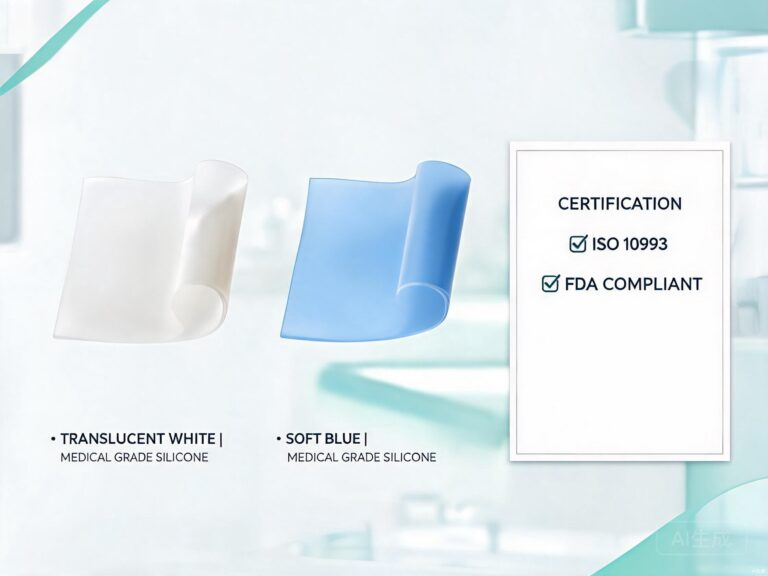
Medical devices demand biocompatible materials. Silicone meets FDA and ISO 10993 standards. It is used for tubing, valves, and surgical tools. The material withstands sterilization easily.
3C Electronics
Smartphones and wearables use silicone parts. Keypads, seals, and connectors benefit from LSR. The material protects devices from water and dust.
Consumer Goods
Kitchen tools, baby products, and sports items use silicone. It is safe, soft, and easy to clean. Parents trust silicone for baby bottles and pacifiers.
At TOPSUN, we supply surface materials to these same industries. Our medical-grade silicone leather complements molded silicone parts. We offer complete material solutions under one roof.

Silicone Injection Molding Partners: Choosing Your Injection Mold Manufacturer
Selecting the right injection mold manufacturer is critical. Your product quality depends on their expertise. Here is what to look for.
Technical Capability
Check their mold design experience. Ask about tolerances they can achieve. Review their equipment list. Modern CNC and EDM machines are essential.
Quality Systems
ISO 9001 certification is a minimum. Medical projects need ISO 13485. Ask about inspection methods. CMM and optical measurement ensure accuracy.
Material Knowledge
Not all suppliers understand LSR fully. Silicone behaves differently than plastic. A qualified partner knows shrinkage rates and flow patterns.
Production Scale
Match their capacity to your needs. Small batches need quick changeovers. Mass production requires multi-cavity molds. Discuss lead times upfront.
A professional injection molding service offers more than parts. They provide design for manufacturability (DFM) feedback. They suggest material grades. They help optimize costs.
TOPSUN brings deep silicone expertise to every project. We understand LSR from molecular structure to final application. Our 3C accessory materials and molded components share the same origin.
Frequently Asked Questions
What is the difference between LSR and HTV silicone?
LSR is liquid and injects easily. HTV is solid and requires compression molding. LSR offers faster cycles and better precision.
How long does mold development take?
Simple molds take 2 to 4 weeks. Complex multi-cavity tools need 6 to 8 weeks. Prototyping can be faster with 3D-printed inserts.
Is silicone injection molding cost-effective?
Yes, for medium to high volumes. Tooling costs amortize over thousands of parts. The low scrap rate adds further savings.
Can silicone parts be colored?
Absolutely. Pigments mix into the LSR before molding. Custom colors match brand requirements. TOPSUN offers precise color matching.
What certifications should I look for?
Key standards include FDA, REACH, ISO 10993, and RoHS. Automotive parts may need IATF 16949. Always verify certifications with your supplier.
Conclusion: Silicone Injection Molding Delivers Real Value
Silicone injection molding offers unmatched precision and durability. It serves automotive, medical, electronics, and consumer markets. Buyers who choose LSR gain better product performance. They also reduce long-term costs.
Understanding the process helps you select better suppliers. You can evaluate quotes more accurately. You avoid costly mistakes in mold design.
TOPSUN is your partner for silicone material solutions. We combine LSR expertise with premium silicone leather manufacturing. Our products serve the same demanding industries. We deliver consistency, compliance, and innovation.
Explore related topics in our LSR molding guide and mold manufacturer guide. Learn why silicone outperforms PU and PVC.
About TOPSUN
TOPSUN is a leading silicone leather supplier and manufacturer based in China. We specialize in custom silicone surface materials for automotive, furniture, medical, 3C electronics, fashion, marine, and sports industries. Our integrated R&D and production capabilities ensure premium quality from raw material to finished product.
Certifications: REACH, FDA, ISO 10993, FAR 25.853, EN 13773, PAHs
Learn more: topsunsiliconeleather.com