The demand for biodegradable leather has never been higher. Buyers across Europe and North America want sustainable materials.
Yet a critical gap exists between marketing claims and real-world results. Many products labeled “biodegradable” only break down under industrial conditions.
This guide clears the confusion. We compare genuine biodegradable leather alternatives against conventional synthetic options.
You will learn what makes leather biodegradable, which technologies work today, and how to vet suppliers honestly.
What Makes Leather Biodegradable?
True biodegradability means a material returns to nature. Microorganisms break it down into water, carbon dioxide, and biomass.
For leather biodegradable claims to hold up, three conditions must be met.
- Organic base material. The substrate must come from natural sources like plants or fungi.
- Chemical-free processing. No toxic coatings, plasticizers, or solvent-based finishes.
- Verified composting timeline. Full breakdown should occur within 12 to 24 weeks in a controlled environment.
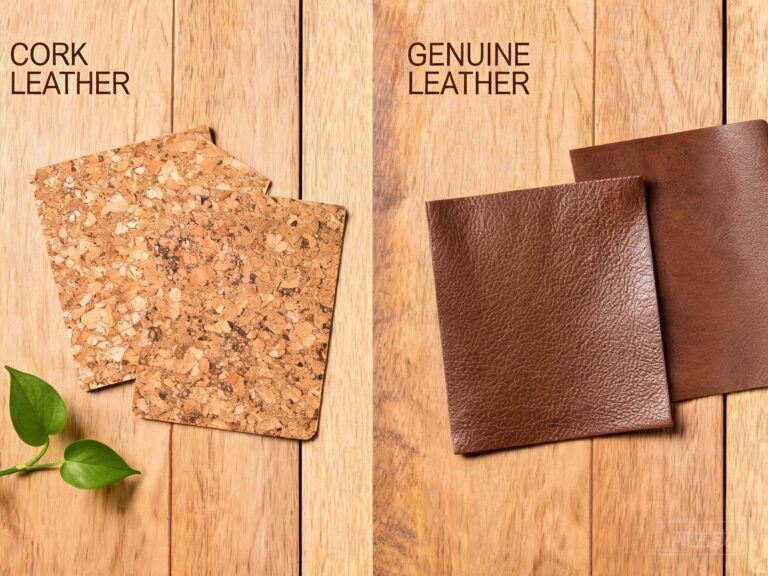
Traditional animal leather can biodegrade. But chrome tanning slows the process significantly. The chemicals used in tanning may also contaminate soil.
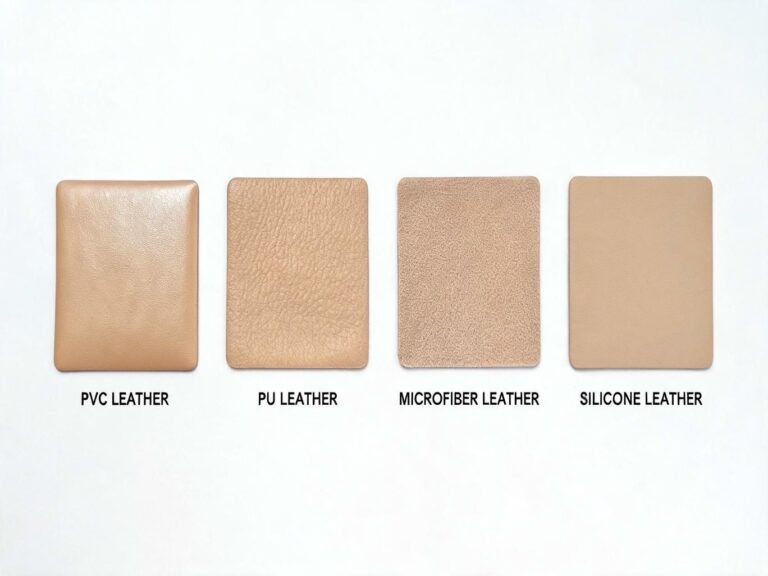
Most synthetic leather materials on the market today contain polyurethane or PVC. These are petroleum-based polymers. They do not biodegrade under any natural conditions.
Understanding this distinction is step one for any sourcing decision.
| Material Type | Biodegradable? | Typical Breakdown Time | Environmental Impact |
|---|---|---|---|
| Plant-based leather | Yes | 12 – 24 weeks | Low |
| Chrome-tanned leather | Partial | 25 – 50 years | High |
| PU synthetic leather | No | 500+ years | High |
| PVC synthetic leather | No | 1000+ years | Very High |
| Silicone leather | Limited | Does not compost | Moderate |
This table highlights a key reality. Most synthetic leather options marketed as “eco-friendly” are not truly biodegradable leather. They may last longer and reduce waste, but they will not compost.
Current Biodegradable Fabric Technologies
A new generation of biodegradable fabric technologies has emerged. These materials aim to close the loop on end-of-life waste.
Below are the leading options available today. Each uses renewable feedstocks and avoids petroleum-based polymers.

Plant-Based Leather
Plant-based leather uses agricultural waste or harvested crops. Common sources include pineapple leaves, apple peels, and cactus pulp.
- Piñatex. Made from pineapple leaf fiber. Grown in the Philippines as a byproduct of the fruit industry.
- Desserto. Derived from nopal cactus. Requires minimal water and no irrigation to cultivate.
- Apple Leather. Uses residual apple pomace from juice production in Northern Italy.
- Vegea. Produced from grape waste generated by the Italian wine industry.
These materials offer genuine biodegradable fabrics potential. However, most still require a thin polymer coating for durability. This coating layer may slow or prevent full composting.
Mycelium-Based Leather
Mycelium leather grows from fungal root networks. Brands like Mylo and Reishi produce sheets that mimic animal leather texture and feel.
The production cycle takes days instead of years. No livestock, no deforestation, and no chrome tanning are involved.
Scalability remains the biggest challenge. Current production volumes cannot meet large-scale B2B demand for furniture and upholstery applications.
Bio-Based Polymers
PLA (polylactic acid) and PHA (polyhydroxyalkanoates) offer polymer-based alternatives derived from corn starch or fermented sugars.
These can be formed into leather-like sheets. They are certified compostable under industrial conditions. Yet their mechanical strength and abrasion resistance fall short of high-performance synthetic leather.
For most commercial buyers, bio-based polymers are still an emerging option. They work well for packaging and disposables but lack durability for upholstery.
Microfiber Biodegradable Solutions
Microfiber biodegradable leather represents a hybrid approach. It combines ultra-fine fiber substrates with surface coatings to mimic genuine leather grain.
Traditional microfiber synthetic leather uses PU or acrylic resins. These coatings prevent biodegradation entirely.
Newer formulations replace petroleum-based resins with bio-based binders. Some manufacturers now use water-based polyurethane derived from castor oil or soybean oil.

| Feature | Traditional Microfiber | Bio-Based Microfiber |
|---|---|---|
| Base fiber | Petroleum-based polyester | Bio-PET or PLA blend |
| Surface coating | Solvent-based PU | Water-based bio-PU |
| Biodegradable? | No | Partially (base fiber only) |
| Abrasion resistance | Excellent | Good |
| Cost (per meter) | $3 – $8 | $5 – $12 |
Bio-based microfiber is an improvement over conventional microfiber. But the bio-PET base still contains polyester. True compostability remains limited.
For buyers seeking fully biodegradable options, pure plant-based or mycelium materials are the better path. For buyers who need durability with reduced environmental impact, bio-based microfiber is a practical middle ground.
Biodegradable Fabric Manufacturer Selection Guide
Choosing the right biodegradable fabric manufacturer requires careful evaluation. Greenwashing is common in this space.
Many suppliers claim their products are “biodegradable” without third-party certification. Your sourcing team must verify every claim independently.
Use this checklist when evaluating potential partners.
Supplier Verification Checklist
- EN 13432 certification or equivalent compostability standard
- Third-party lab test reports for biodegradation rate (ISO 14855 or ASTM D6400)
- Full material composition disclosure including all coating layers
- Factory audit capability with transparent production process
- Minimum order flexibility and sample availability
- Scalability proof with capacity for consistent bulk orders
- End-of-life documentation explaining proper disposal or composting methods
A reliable biodegradable fabric manufacturer will provide all of the above without hesitation. If a supplier avoids sharing lab results, treat that as a red flag.
At TOPSUN, we believe transparency is non-negotiable. We offer detailed technical data sheets and factory tours for every serious inquiry.
Questions to Ask Your Supplier
- What percentage of the product is bio-based vs. petroleum-based?
- Does the material meet EN 13432 or ASTM D6400 industrial composting standards?
- Can the product compost in a home composting setup?
- What is the expected lifespan of the finished product in daily use?
- Are independent lab tests available for review before purchase?
These questions separate honest suppliers from those making inflated claims. Document every answer in your vendor evaluation records.
The Reality Check: Composting Challenges and Standards
Not all biodegradable materials are created equal. The gap between “biodegradable” and “compostable” matters enormously.
According to the European Commission’s waste framework, materials must meet strict criteria to carry compostability claims in the EU market.

EN 13432: The European Benchmark
EN 13432 is the gold standard for compostability in Europe. It sets four mandatory requirements.
- Biodegradation. At least 90% conversion to CO₂ within 180 days.
- Disintegration. At least 90% of material fragments must pass through a 2mm sieve within 12 weeks.
- Chemical safety. No heavy metals above prescribed limits. No negative effects on compost quality.
- Ecotoxicity. The resulting compost must not harm plant growth.
Most biodegradable leather products on the market today cannot pass all four criteria. Many achieve partial biodegradation but fail the disintegration or ecotoxicity tests.
Industrial vs. Home Composting
There is a critical distinction between industrial and home composting conditions.
| Condition | Industrial Composting | Home Composting |
|---|---|---|
| Temperature | 58°C (controlled) | 20 – 30°C (variable) |
| Humidity | Constant monitoring | Uncontrolled |
| Timeline | 12 – 24 weeks | 6 – 24 months |
| Microbial activity | Optimized | Variable |
| Standards met | EN 13432, ASTM D6400 | Limited certification |
Many products labeled “compostable” only degrade under industrial conditions. Consumers rarely have access to such facilities.
For B2B buyers, this matters for regulatory compliance and marketing accuracy. Making false compostability claims can result in legal action under EU consumer protection laws.
For a deeper look at eco-conscious leather options, read our guide to eco-friendly faux leather materials.
Conclusion: Making an Informed Sourcing Decision
The biodegradable leather market is evolving fast. Genuine compostable options exist, but they are not yet ready for all commercial applications.
Plant-based and mycelium leathers lead the way in sustainability. Bio-based microfiber offers a balanced compromise between performance and eco-friendliness.
However, buyers must look past marketing language. Demand EN 13432 certification. Require independent lab data. Verify end-of-life claims with your own compliance team.
TOPSUN is a specialized silicone leather manufacturer based in China. We serve B2B clients in automotive interiors, furniture, baby products, marine, medical, and fashion industries.
While we focus on high-performance silicone leather technology, we understand the sustainability landscape deeply. Our team can help you evaluate the right material for your application and environmental goals.
Frequently Asked Questions
Can synthetic leather be composted?
Most conventional synthetic leather cannot be composted. PU and PVC are petroleum-based polymers. They do not break down in composting environments. Some new bio-based alternatives show partial compostability but often fail full EN 13432 certification.
What is EN 13432 and why does it matter?
EN 13432 is the European standard for compostable packaging and materials. It requires 90% biodegradation within 180 days, 90% disintegration within 12 weeks, chemical safety, and ecotoxicity compliance. It is the most widely recognized benchmark for compostability claims in global trade.
Is biodegradable leather suitable for automotive interiors?
Current biodegradable leather options generally lack the abrasion resistance and UV stability required for automotive interior use. OEMs typically require materials to pass 100,000+ Martindale cycles. Plant-based leathers usually fall short of this benchmark today.
How do I verify a supplier’s biodegradability claims?
Request third-party lab test reports for ISO 14855 or ASTM D6400. Ask for full material composition data. Verify that the certification covers the complete product, not just the base substrate. Check whether certification is for industrial or home composting conditions.
Is silicone leather biodegradable?
Silicone leather is not biodegradable in the traditional sense. However, it is highly durable, free of VOCs, and contains no toxic plasticizers. Its long service life reduces replacement frequency. This durability-first approach offers a different path to sustainability compared to compostable materials.