Choosing the right upholstery material directly impacts product lifespan, brand reputation, and profit margins. Buyers across furniture, automotive, and fashion sectors constantly ask: what is the real difference between genuine leather and synthetic leather? This guide delivers a clear, data-driven comparison across four critical dimensions: cost, durability, sustainability, and compliance. Whether you source materials for high-end sofas or medical seating, understanding these differences protects your investment. We will also reveal how next-generation silicone leather eliminates the traditional compromises between animal hide and petroleum-based synthetics.
Download Sustainability Report

What Is the Difference Between Genuine Leather and Faux Leather?
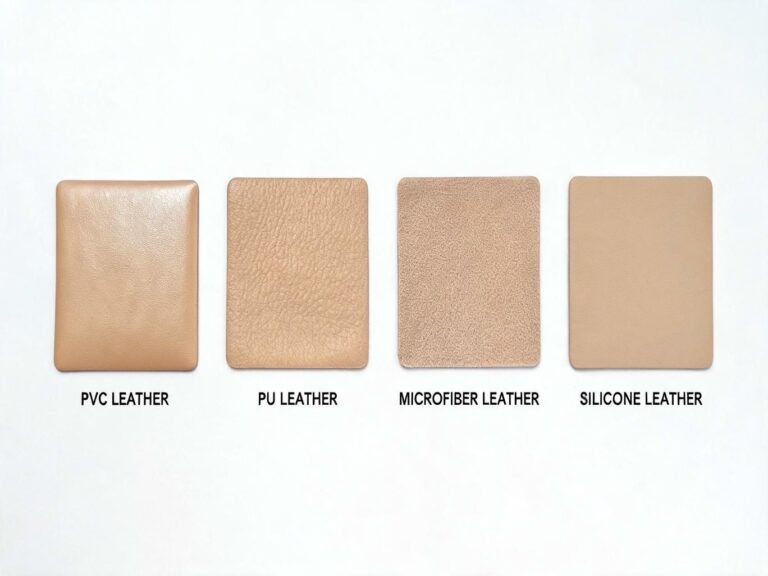
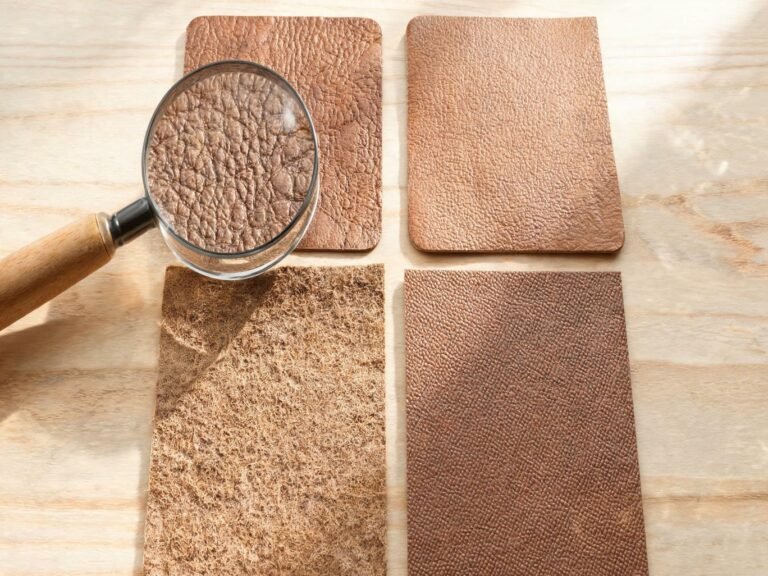
Genuine leather is tanned animal hide, prized for natural grain and breathability. Synthetic leather covers PU, PVC, microfiber, and advanced silicone alternatives. The difference between genuine leather and faux leather begins at the molecular level. Real leather contains collagen fibers that create unique, irregular textures impossible to replicate exactly. Traditional faux leather uses petroleum-based polymers coated onto fabric backings. PU leather offers better softness than PVC but suffers from hydrolysis over time. PVC resists water yet hardens and cracks after prolonged use.
Neither traditional synthetic fully matches genuine leather’s tactile warmth. However, silicone leather breaks this pattern. Made from inorganic silicone polymers bonded to premium substrates, it replicates the hand feel of top-grain leather without animal derivatives. For buyers seeking cruelty-free alternatives with authentic texture, understanding the difference between genuine leather and faux leather is the first step toward smarter procurement. Learn more about how modern silicone leather technology bridges this gap.
Cost Analysis: Difference Between Genuine Leather and PU Leather
Price remains a decisive factor in material selection. Full-grain genuine leather commands premium pricing due to limited supply and labor-intensive tanning processes. The difference between genuine leather and PU leather is especially stark at checkout. PU leather typically costs 30% to 60% less upfront. Yet lifecycle costing tells a different story. PU leather usually lasts only 2-5 years before peeling or cracking. Genuine leather endures 10-15 years with proper care. When calculated per year of service, genuine leather often delivers lower total cost of ownership than budget synthetics.
PVC leather sits in the middle but hardens and cracks within 5-7 years. Silicone leather emerges as the value leader. It matches genuine leather’s 10+ year lifespan at a mid-range price point. TOPSUN silicone leather withstands 200,000+ Martindale abrasion cycles. This means fewer replacements, reduced warranty claims, and stronger margins for manufacturers. Smart buyers look beyond sticker price to true lifetime value.
| Material | Upfront Cost | Lifespan | Cost Per Year |
|---|---|---|---|
| Genuine Leather | High | 10-15 years | Moderate |
| PU Leather | Low | 2-5 years | High (frequent replacement) |
| PVC Leather | Low-Medium | 5-7 years | Moderate |
| Silicone Leather | Medium | 10+ years | Lowest |
Durability Compared: Genuine Leather vs Synthetic Leather
Durability separates showroom appeal from real-world performance. When evaluating genuine leather vs synthetic leather, consider abrasion resistance, UV stability, and hydrolysis immunity. Genuine leather resists punctures and develops a desirable patina. However, it suffers from water damage, UV fading, and drying cracks without regular conditioning. PU leather fails catastrophically in humid climates. Hydrolysis turns the polymer coating sticky and causes peeling within months. PVC leather resists moisture better but becomes brittle after prolonged sun exposure.
Silicone leather redefines durability benchmarks. TOPSUN formulations endure temperatures from -40°C to 250°C without degradation. Our High Performance Series resists UV aging and ozone exposure. The Classic Series achieves 200,000+ Martindale cycles, making it ideal for high-traffic furniture upholstery and automotive interiors. Unlike PU or PVC, silicone leather will not hydrolyze, crack, or harden. This performance gap makes the genuine leather vs synthetic leather debate increasingly favorable toward advanced silicone materials.
Sustainability Matters: Real Leather vs Synthetic Leather
Sustainability now drives procurement decisions for global brands. The environmental difference between real leather vs synthetic leather is complex. Tanning processes consume enormous water volumes and release chromium pollutants. Livestock farming generates significant methane emissions. On the positive side, genuine leather is biodegradable and uses a meat-industry byproduct. Traditional synthetics avoid animal agriculture but introduce petroleum dependency. PU and PVC production releases toxic solvents and plasticizers. These materials are not biodegradable and shed microplastics during use and disposal.
Silicone leather offers a third path. It contains no PVC, phthalates, plasticizers, or heavy metals. Production emits near-zero VOCs. The material is fully recyclable and complies with REACH and RoHS directives. According to the Leather Working Group, sustainable material choices now rank among the top three criteria for major furniture and automotive buyers. TOPSUN eco-friendly silicone leather helps brands meet these standards without sacrificing performance or aesthetics.
Compliance Standards: Genuine Leather vs Faux Leather in Regulated Industries
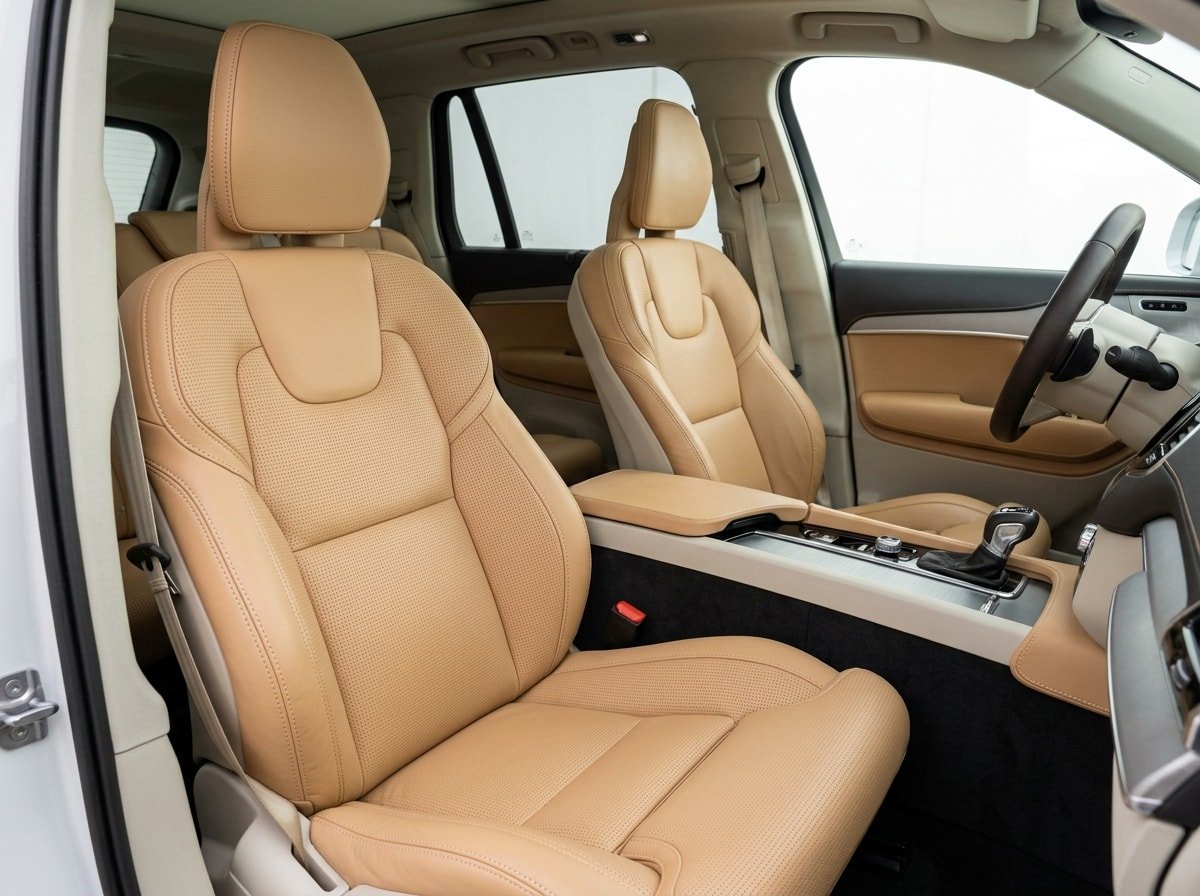
Regulatory compliance can make or break market access. When comparing genuine leather vs faux leather for regulated industries, certification gaps appear quickly. Genuine leather generally meets basic safety standards but may contain chromium VI traces from poor tanning practices. PU and PVC leather often struggle with VOC emissions, phthalate content, and flame-retardant requirements. The EU REACH regulation restricts hazardous substances in consumer goods, putting traditional synthetics under intense scrutiny.
TOPSUN silicone leather carries comprehensive global certifications: ISO 9001, IATF 16949 for automotive, FDA for food contact, ISO 10993-5 for biocompatibility, REACH, and PAHs compliance. Our Super Flame Retardant Series achieves low-smoke, self-extinguishing performance for aviation and rail applications. Medical and baby product manufacturers demand skin-safe, disinfectant-resistant surfaces. Silicone leather satisfies these strict requirements while traditional synthetics fall short. Compliance is not optional. Partnering with a certified supplier ensures your products clear customs, pass audits, and earn customer trust.
Silicone Leather: The Ultimate Evolution of Synthetic Materials
Silicone leather represents the ultimate evolution of synthetic materials. It combines the premium tactile qualities of genuine leather with the practical advantages of engineered substrates. TOPSUN offers six specialized product series:
- Classic (0.8-2.0mm): Everyday durability with Martindale 200,000+ cycles for furniture and fashion.
- Ultra Thin (0.23-2.0mm): Lightweight designs for electronics and premium accessories.
- Designer: Custom textures and colors for exclusive brand differentiation.
- Rigid Substrate: High hardness for structural and industrial applications.
- High Performance: Anti-aging and UV resistance for outdoor and marine environments.
- Super Flame Retardant: Low-smoke, self-extinguishing performance with full REACH compliance.
Across all series, buyers receive consistent batch quality, full Pantone and RAL color matching, and tailored backing options. Silicone leather does not force you to choose between ethics, performance, and cost. It delivers all three in a single, future-proof material.
Frequently Asked Questions
Does genuine leather last longer than synthetic leather?
High-quality genuine leather can last 10-15 years with proper care. Standard synthetic leather like PU lasts 2-5 years. Advanced silicone leather matches or exceeds genuine leather lifespan without demanding conditioning.
Is synthetic leather vegan?
Most synthetic leather is vegan because it contains no animal products. However, traditional PVC and PU materials use petroleum-based coatings. Silicone leather offers a truly vegan option with cleaner chemistry and no plasticizers.
Which is better for car interiors: genuine or synthetic leather?
Genuine leather offers prestige and natural breathability. Synthetic leather provides consistency and lower cost. For modern OEM projects, silicone leather delivers the best balance of automotive compliance, UV resistance, and VOC safety.
What is the most durable synthetic leather alternative?
Silicone leather currently leads the synthetic category. It resists hydrolysis, UV aging, and extreme temperatures. TOPSUN Classic Series exceeds 200,000 Martindale cycles, outperforming both microfiber PU and genuine leather in abrasion tests.
Conclusion
The difference between genuine leather and synthetic leather extends far beyond appearance. Cost, durability, sustainability, and compliance each tell part of the story. Genuine leather offers natural beauty but demands high investment and intensive care. Traditional synthetics reduce upfront costs yet compromise longevity and environmental safety. Silicone leather eliminates these trade-offs. It provides genuine leather-grade performance, synthetic material consistency, and modern sustainability standards.
For procurement teams evaluating long-term partnerships, TOPSUN silicone leather is the strategic choice. With 8+ years of manufacturing experience, ISO and REACH certified facilities, and exports to 30+ countries, we deliver material solutions that protect both your margins and your brand reputation.
Related Articles
About TOPSUN Silicone Leather
TOPSUN is a professional manufacturer specializing in R&D and production of high-performance silicone leather. Founded in 2018, we serve 100+ global clients across 30+ countries with an annual production capacity of 6 million meters.
Certifications: ISO 9001, IATF 16949, FDA, ISO 10993-5, REACH, PAHs. Product Range: 6 specialized series from 0.23mm to 2.0mm. Temperature Resistance: -40°C to 250°C. Services: Custom color, texture, backing, and OEM solutions.