Selecting the right faux leather for chairs transforms seating quality. Buyers need durable materials. Comfort matters too. TOPSUN offers premium silicone leather solutions. Our products serve global B2B clients. We specialize in furniture and sofa applications. This guide covers key selection factors. You will learn about material types. Performance metrics are explained. Sourcing tips are included.
Faux Leather for Dining Chairs: Style Meets Durability
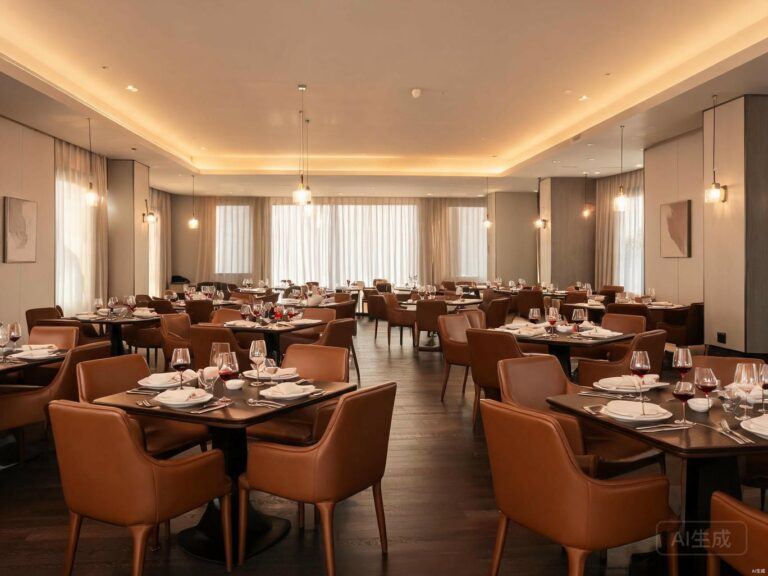
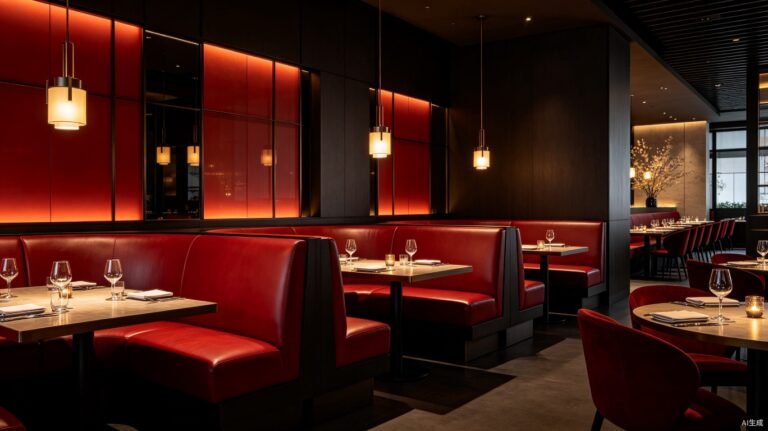
Dining spaces demand elegant seating. Faux leather for dining chairs offers aesthetic appeal. It resists daily spills. Clean-up is simple. Families and restaurants benefit alike. The material withstands frequent use. Color options are extensive. Textures range from smooth to grained.
Silicone leather outperforms traditional PU. It does not crack easily. Heat resistance is superior. This matters near kitchen areas. Buyers should check abrasion ratings. Look for 100,000+ Martindale cycles. Stain resistance is essential. Wine and oil wipe off quickly.
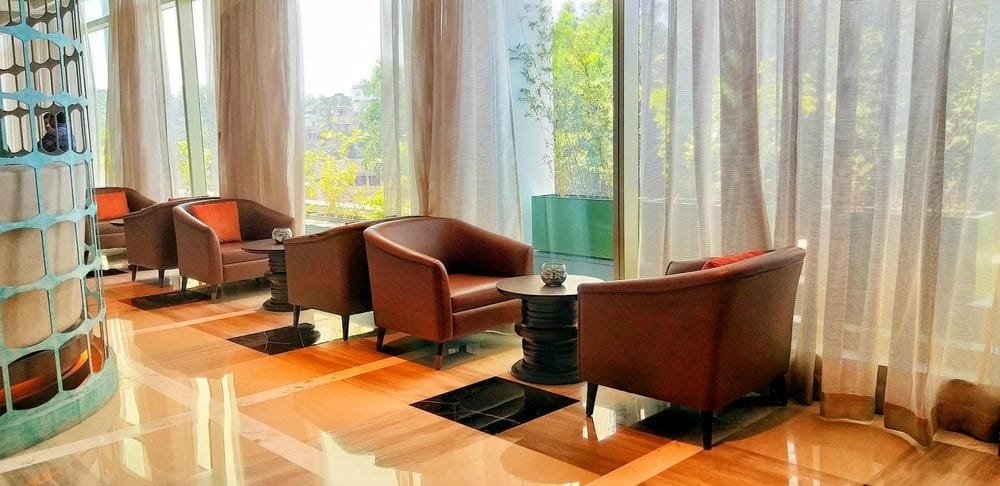
- Waterproof surface protects foam cores.
- UV stability prevents color fading.
- Soft hand feel enhances user comfort.
- Fire retardant options meet regulations.
- Easy welding simplifies manufacturing.
Commercial dining venues need bulk supply. Consistent dye lots matter. Lead times affect project schedules. TOPSUN manages large orders efficiently. Quality control ensures batch uniformity. Samples are available for testing.
Choosing the Right Faux Leather Chair for Commercial Spaces
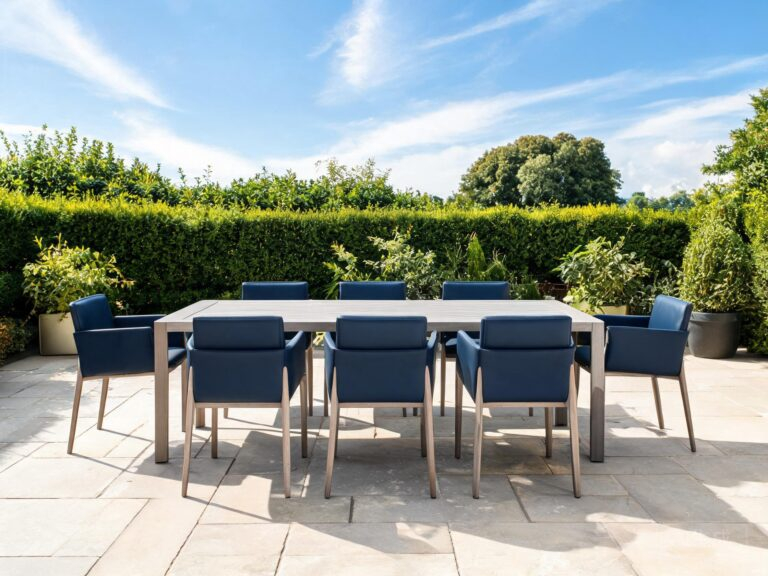
Office environments need reliable seating. A quality faux leather chair supports productivity. Workers sit for long hours. Material breathability reduces sweating. Silicone leather allows air circulation. This keeps users comfortable.
Durability tests reveal true quality. Check tensile strength values. Tear resistance prevents seam failure. Flexing endurance matters for active seating. Look for materials passing 50,000+ double rubs. BIFMA standards provide useful benchmarks. Compliance signals commercial-grade reliability.
Color consistency aids brand identity. Corporate palettes require exact matching. Custom colors are available. MOQs apply for special shades. Standard colors ship faster. Black, gray, and brown remain popular.
- Ergonomic designs pair well with stretch fabrics.
- Anti-microbial properties improve hygiene.
- Low VOC emissions support indoor air quality.
- Lightweight materials reduce shipping costs.
Chair Upholstery Fabric: Key Performance Metrics
Not all synthetics perform equally. Chair upholstery fabric must meet strict criteria. Buyers should evaluate several factors. Performance data guides smart decisions. Cost per yard is one metric. Lifecycle value matters more.

Abrasion resistance tops the list. High-traffic seating needs 100,000+ cycles. Residential use may need less. Always check test methods. Martindale and Wyzenbeek differ. Specify your preferred standard.
Color fastness prevents early aging. UV exposure fades inferior materials. Look for grade 4+ ratings. Water fastness matters too. Perspiration resistance is critical. Cleaning chemical compatibility saves maintenance costs.
Flame retardancy is non-negotiable. Public spaces require certified materials. UK and EU standards vary. US markets need CAL 117 compliance. TOPSUN offers certified options. Documentation supports regulatory approval.
- Tensile strength above 20 MPa is ideal.
- Elongation rates affect sewing performance.
- Thickness ranges from 0.6mm to 2.0mm.
- Weight impacts freight calculations.
Vinyl for Chair Upholstery: Pros and Cons
PVC vinyl remains widely used. Vinyl for chair upholstery offers low cost. It resists water well. Cleaning is straightforward. However, vinyl has drawbacks. Plasticizers can migrate over time. Surfaces become sticky. Cracking appears in cold climates.
Phthalate concerns affect market acceptance. EU REACH regulations restrict certain additives. Buyers now prefer safer alternatives. Silicone leather contains no plasticizers. It remains stable across temperatures. Performance does not degrade.
Vinyl production uses petroleum heavily. Environmental impact is significant. Recycling options are limited. Silicone leather offers better sustainability. It lasts longer in use. Replacement cycles extend.
- Vinyl costs less upfront.
- Silicone leather lasts 3-5 times longer.
- Vinyl hardens in winter.
- Silicone stays flexible always.
- Vinyl emits odors initially.
- Silicone is odorless immediately.
For budget projects, vinyl works. Premium seating deserves better materials. Silicone leather introduction explains advantages fully. Consider total ownership costs.
Faux Leather for Upholstery: Silicone vs PU vs PVC
Material selection confuses many buyers. Faux leather for upholstery has three main types. Each serves different needs. Understanding differences prevents costly mistakes. This comparison helps buyers choose wisely.

PU leather feels soft initially. It simulates genuine leather well. However, hydrolysis limits lifespan. Humid climates accelerate degradation. PU peels after 2-3 years. Replacement costs add up.
PVC vinyl offers rigidity. It supports structured designs well. But comfort suffers over time. Cold surfaces feel unpleasant. PVC also cracks eventually. Flexibility loss is common.
Silicone leather combines benefits. It feels soft like PU. It resists wear like PVC. No hydrolysis issues exist. Faux leather types vary significantly. Silicone stands above the rest.
- PU: 2-5 year lifespan typical.
- PVC: 3-7 years with care.
- Silicone: 10+ years proven durability.
- PU requires dry storage.
- PVC tolerates moisture better.
- Silicone excels in all conditions.
For hospitality projects, silicone is best. Hotels cannot afford frequent reupholstery. Airlines demand extreme durability. Healthcare needs hygienic surfaces. Silicone leather serves all these sectors.
Upholstery Fabric for Chairs: Sourcing from a Manufacturer
Finding reliable suppliers takes effort. Quality upholstery fabric for chairs requires vetting. Factory audits reveal true capabilities. Certifications verify claims. Samples enable hands-on testing.
Request technical data sheets. Verify test reports independently. Check certification validity periods. ISO 9001 indicates quality systems. Faux leather furniture durability depends on sourcing. Partner with established manufacturers.
Minimum order quantities vary. Stock colors often have low MOQs. Custom developments need larger volumes. Lead times range from 2-8 weeks. Planning prevents project delays. Buffer stock helps continuity.
- Visit factories when possible.
- Review production line capacity.
- Inspect quality control stations.
- Confirm packaging standards.
- Validate logistics partnerships.
Communication matters for custom work. Clear specifications prevent errors. Sample approvals lock details. Production follows approved standards. TOPSUN supports OEM projects. Technical teams assist specification.
Payment terms protect both parties. Letters of credit offer security. TT transfers suit repeat orders. Balance risk and convenience. Build long-term partnerships. Reliable supply chains reduce headaches.
Conclusion: Selecting the Best Faux Leather for Chairs
Quality faux leather for chairs delivers lasting value. Dining and office seating differ. Both need durable materials. Silicone leather offers superior performance. It outlasts PU and PVC. Maintenance costs drop significantly.
Buyers should prioritize performance data. Certifications verify safety claims. Factory audits build confidence. Sample testing confirms suitability. Partner with experienced manufacturers. TOPSUN delivers consistent quality.
Start your project today. Request samples for evaluation. Compare materials side by side. Make informed purchasing decisions. Your seating products deserve the best.
About TOPSUN: We are a leading silicone leather manufacturer. Our factory serves global B2B clients. We supply automotive, furniture, and medical industries. Custom colors and textures are available. Contact us for partnership opportunities.