Demand for vegan leather is exploding. Brands across Europe and North America need ethical alternatives. This article explains exactly what vegan leather is made of. We break down every material. You will learn about PU, PVC, silicone, microfiber, and plants.
The global market is shifting fast. Buyers want transparency. They need to know ingredients. They ask about production methods. This guide answers those questions. Read on for the full breakdown.
What Is Vegan Leather Made Of? An Overview
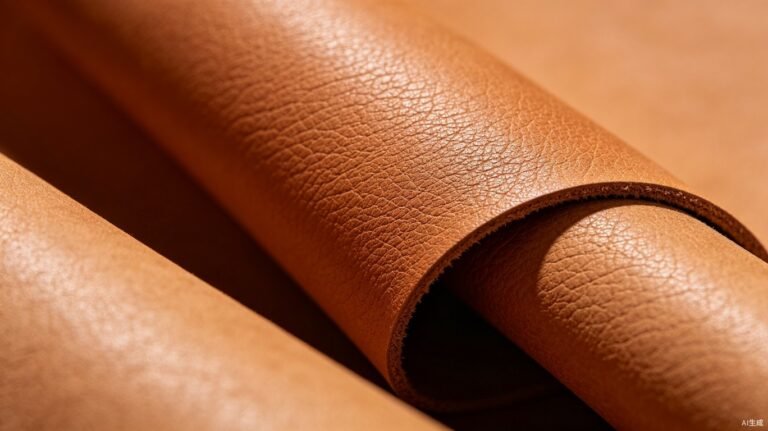
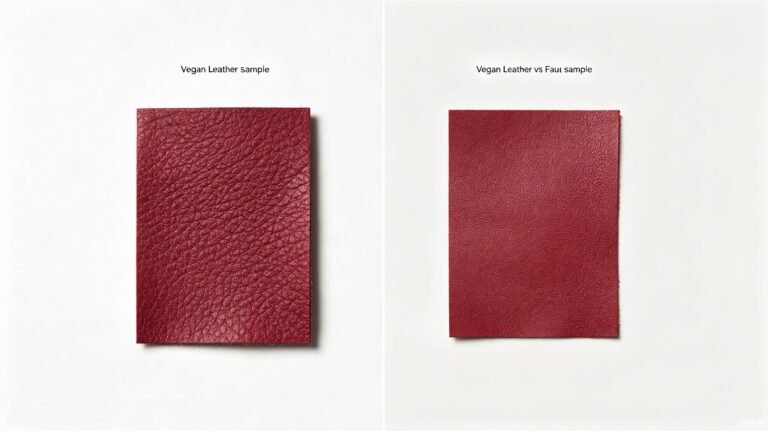
Vegan leather contains zero animal parts. It uses synthetic or plant-derived ingredients. Manufacturers create sheets that mimic real leather. The market now offers many compositions.
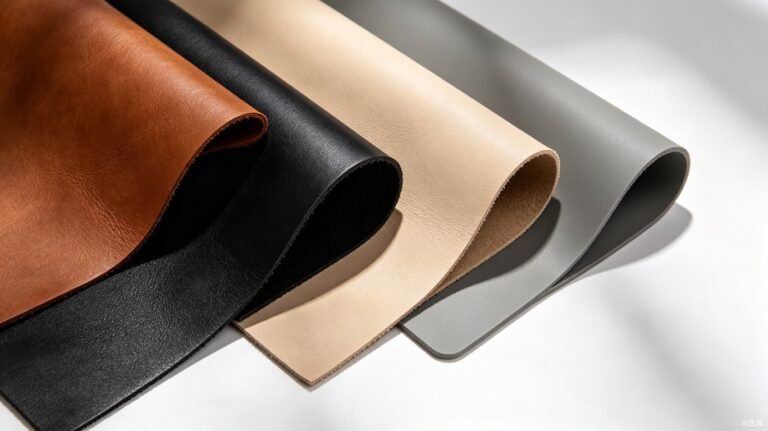
Common categories include petroleum-based synthetics. These are PU and PVC. Silicone offers a cleaner synthetic path. Plant-based options use agricultural waste. Microfiber delivers high-end performance.
- PU coatings on fabric backings
- PVC pastes with plasticizers
- Silicone polymers without solvents
- Plant fibers mixed with bio-based binders
- Microfiber structures impregnated with PU
Each type serves different industries. Automotive needs durability. Fashion demands softness. Furniture requires stain resistance. Medical applications need antibacterial surfaces. The right composition depends on your end use.

What Vegan Leather Is Made Of: Polyurethane (PU)
PU leather dominates the market. It uses polyurethane coatings. These coatings sit on woven or non-woven backings. The dry process applies films directly. The wet process uses DMF solvents. Water-based and DMF-free options are emerging.
The manufacturing steps are precise. First, producers prepare the fabric base. Then they apply the PU layer. Heat and pressure bond the materials. Finally, surface finishing creates texture.
Brands choose PU for flexibility. It feels soft. It comes in many colors. It is easy to cut and sew. However, traditional PU uses solvents. Some buyers now reject DMF processes. Ask your supplier about water-based alternatives. Your customers may prefer them.
Learn more in our vegan leather definition guide.
PVC Vegan Leather: Ingredients and Production
PVC leather uses a different formula. It starts with PVC resin. Manufacturers add plasticizers and stabilizers. This creates a thick paste. The paste coats a fabric base. Calendering presses it into sheets. Surface finishing adds texture and color.
The ingredient list is specific. It includes PVC resin. It includes plasticizers for softness. It includes stabilizers for heat resistance. It includes pigments for color. Fillers may reduce cost.
PVC is cheap. It resists water. It is easy to clean. But it contains plasticizers. Some plasticizers raise health concerns. Regulations in Europe are tightening. Buyers should check REACH compliance. Long-term exposure to heat can degrade PVC.
Silicone Vegan Leather: The Next-Generation Material
Silicone leather represents true innovation. It uses silicone polymers. These polymers coat or cast onto substrates. The process is often solvent-free. This means zero VOC emissions.
Key benefits include:
- Skin-friendly contact
- Antibacterial surface
- Extreme weather resistance
- No harmful solvents
- Long service life
- Easy to clean and maintain
The silicone leather market hit 2.17 billion USD in 2023. Experts project 5.36 billion USD by 2030. The CAGR stands at 14.0%. This growth reflects strong B2B demand.
Automotive brands love silicone leather. Medical device makers prefer it. Furniture manufacturers value its durability. It performs in extreme temperatures. It resists UV damage. It does not crack easily.

Read about eco-friendly faux leather options on our blog.
Plant-Based Vegan Leather: Natural Ingredients
Plant-based options are growing fast. These materials use agricultural waste. Fibers come from many sources. They reduce landfill burden. They lower reliance on petroleum.
- Pineapple leaves from the Philippines
- Organic cactus from Desserto
- Apple pomace from food waste
- Grape skins from winemaking
- Mushroom mycelium from Bolt Threads
Piñatex extracts fibers from pineapple leaves. Farmers in the Philippines supply the raw material. Desserto uses 40% organic cactus fiber. H&M already uses Desserto in collections. Bolt Threads makes Mylo from mushrooms. Adidas, Lululemon, and Stella McCartney partner with Bolt Threads.
Bio-based versions contain 70-75% renewable content. This appeals to eco-conscious brands. The mycelium market reached 21.91 million USD in 2025. Projections show 312 million USD by 2032. The CAGR is an impressive 47.0%.
Modern Meadow raised 40 million USD in Series B funding. This signals strong investor confidence. Plant-based leather is not a niche anymore. It is a serious industrial material.
Market data sourced from Grand View Research.

Check our vegan leather buying guide for procurement tips.
Microfiber Vegan Leather Material
Microfiber leather offers premium performance. It uses ultra-fine polyester and polyamide fibers. These fibers form a non-woven fabric. PU impregnation binds the structure. The result is strong and supple.
The fiber diameter is microscopic. This creates a dense structure. The material feels like genuine leather. It has high tensile strength. It resists tearing and abrasion.
Microfiber resists abrasion. It breathes better than PVC. It works well for shoes and bags. Automotive seating also uses it. Luxury goods favor microfiber. The price is higher than basic PU. The durability justifies the cost. It lasts for years.

Compare materials in our silicone leather vs pu leather analysis.
Conclusion
Vegan leather what is it made of? The answer is clear. Modern vegan leather uses PU, PVC, silicone, microfiber, and plant-based ingredients. Each material offers unique benefits. Each serves different B2B needs.
Silicone leather leads in sustainability. Plant-based options show the fastest growth. PU remains the most common choice. Microfiber targets premium segments. PVC serves budget markets.
TOPSUN is a leading silicone leather manufacturer in China. We produce custom vegan leather materials for many industries. These include automotive, furniture, marine, medical, and fashion. Zero VOC. REACH compliant. We ship to buyers across Europe and North America.
Choose the right composition for your product line. Contact us today. Get expert guidance. Request samples. Build your next collection with confidence. The future of leather is vegan.