In 2025, a luxury automotive brand launched a limited-edition model with mycelium leather seats — the same material Hermès had showcased in a handbag prototype six months earlier. The handbag worked. The car seats didn’t survive 10,000 Bally Flex cycles. The gap between runway innovation and B2B specification is where most vegan leather innovation 2026 headlines die. Every week, a new bio-based leather alternative announces a breakthrough. Most of them won’t reach procurement volumes. Here’s the scaling problem nobody is talking about — and which materials actually close the gap.
Explore Eco-Friendly Silicone Leather
The Vegan Leather Innovation 2026 Landscape: Five Material Categories
The vegan leather innovation 2026 conversation is fragmented across five material categories, each at a different stage of commercial maturity. Understanding where each sits on the scaling curve is the first step to specifying materials that won’t disappear when the pilot batch runs out.
- Mycelium (mushroom leather): Grown from fungal root networks in controlled lab environments. Hermès, Stella McCartney, and Gucci have used it in prototypes. Impressive tactile qualities, but mechanical performance remains below natural leather standards.
- Plant-based (Piñatex, Desserto, apple leather): Derived from agricultural byproducts — pineapple leaves, cactus, apple waste. Compelling sustainability narratives, but batch-to-batch consistency and abrasion resistance are ongoing issues.
- Recycled synthetics (rPET, regenerated polyester): Diverts plastic waste from landfills but shares PU’s microplastic shedding concerns. Durability is comparable to conventional PU, which means 2-3 year service life.
- Bacterial cellulose: Fermented in kombucha-like vats. Fully bio-based and recyclable, but tensile strength and moisture resistance are far from commercial-grade requirements.
- Silicone leather: Animal-free, solvent-free, built on a silicon-oxygen polymer backbone. The only category at full production scale with documented B2B performance data.

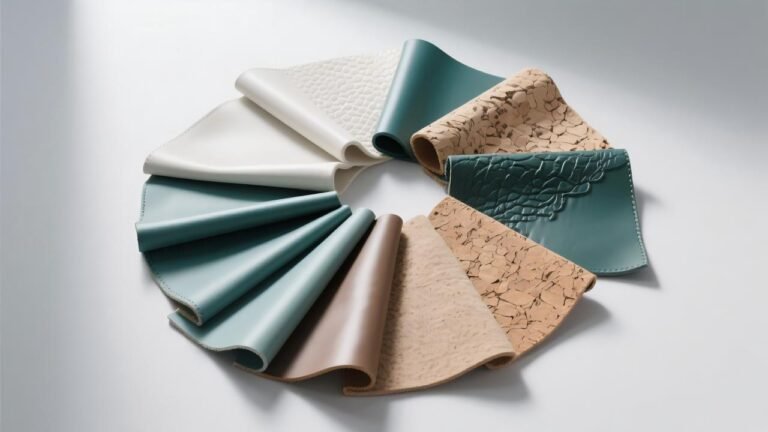
Full-color silicone leather swatch rack — the only vegan leather category at full commercial production scale in 2026
Why Mycelium Leather Can’t Meet B2B Volume Demands Yet
Mycelium leather is the media darling of vegan material innovation. The narrative is irresistible: grow leather from mushrooms, no animals, no petroleum. MycoWorks and Bolt Threads have attracted hundreds of millions in funding. Hermès used it in a Victoria travel bag. General Motors and Cadillac have explored it for concept interiors. But the gap between a hand-sewn prototype and a 500,000-unit automotive order is where the story breaks down.
The numbers tell a different story than the press releases. Third-party testing by CTC Groupe in 2025 showed mycelium leather achieving 20,000 Bally Flex cycles and 25,600 Martindale abrasion cycles. For context, a standard automotive seat material needs to survive 100,000+ Martindale cycles to meet OEM durability specs. Mycelium is at roughly 25% of that threshold. Silicone leather, by comparison, consistently exceeds 100,000 cycles in the same test.

Finished silicone leather rolls at production scale — the volume consistency that mycelium and plant-based alternatives cannot yet match
Then there’s the scaling math. A single mycelium production facility requires 4-6 weeks per growth cycle in controlled-environment bioreactors. You’re growing a biological organism, not running a coating line. Lead times for commercial quantities currently exceed 6 months. For B2B buyers managing production schedules with 8-12 week lead time expectations, that’s a sustainability story that doesn’t fit a procurement calendar.
Bottom line: Mycelium leather is a genuine materials science breakthrough — but it’s a 2028-2030 story for B2B-scale applications. Specifying it for a 2026 production cycle is setting up your project for a supply chain failure.
Vegan Leather Innovation 2026: Where Silicone Fits the Scaling Gap
Here’s the positioning problem: most vegan leather innovation 2026 coverage frames the conversation as bio-based vs synthetic. That framing misses the point. B2B buyers don’t need the most innovative material — they need the most innovative material that actually scales. The American Chemical Society has documented that petroleum-based vegan alternatives are difficult to recycle, creating a sustainability paradox. Silicone leather resolves that paradox by being both animal-free and commercially proven.
| Material Category | Source | Sustainability Profile | Commercial Readiness (2026) | Key B2B Limitation |
|---|---|---|---|---|
| Mycelium (Reishi) | Fungal mycelium | Very high — grown, compostable | Early commercial — limited volume | 25% of required abrasion cycles |
| Plant-based (Piñatex/Desserto) | Agricultural byproduct | High — upcycled waste | Pilot to early scale | Batch-to-batch inconsistency |
| Recycled (rPET) | Post-consumer plastic | Moderate — diverts waste | Full scale | Microplastic shedding, 2-3 yr life |
| Silicone leather | Silicon-oxygen polymer | High — solvent-free, zero VOC | Full production scale | Higher unit cost than PU |

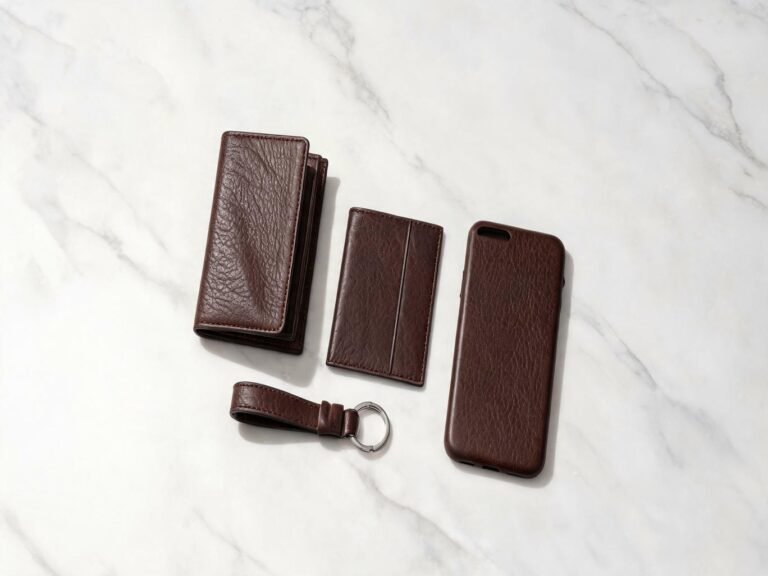
Vegan leather texture comparison — silicone leather delivers the aesthetic and tactile qualities of premium leather without animal or petroleum inputs
Silicone leather occupies a position that bio-based alternatives can’t yet reach: it’s entirely animal-free, solvent-free, and offers durability characteristics that plant-based and mycelium materials haven’t matched. For fashion and sports applications that need abrasion resistance, UV stability, and clean chemistry — silicone leather is a practical choice that doesn’t compromise the vegan positioning.
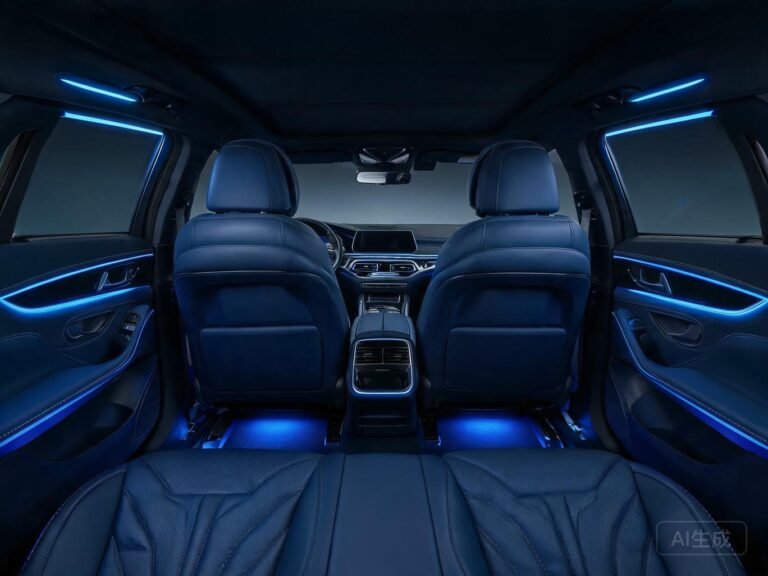
Next-generation silicone leather — the only vegan leather category combining sustainability credentials with full-scale commercial production
What B2B Buyers Should Demand from 2026 Vegan Leather Suppliers
The vegan leather market is projected to reach tens of billions of dollars by the late 2020s, with footwear, automotive, and furniture driving growth. But market size doesn’t protect you from specifying a material that won’t be available at volume in 18 months. Here’s what to verify before committing to any vegan leather innovation for a B2B product line:
- Production capacity proof: Ask for monthly output figures, not press releases. If a supplier can’t show you 50,000+ square meters per month of confirmed production, you’re dealing with a pilot operation.
- Long-term durability data: Martindale abrasion, Bally flex, UV aging — all with third-party lab reports. Anything under 100,000 Martindale cycles won’t survive commercial furniture or automotive warranty periods.
- Chemical transparency: Full REACH and RoHS compliance documentation. “Vegan” doesn’t automatically mean “clean” — many PU-based vegan leathers contain DMF, plasticizers, and VOC-emitting solvents.
- Supply chain stability: How many years has the material been in commercial production? A material launched 12 months ago has no track record for long-term performance or supply consistency.

Plant-based leather fashion applications — compelling sustainability story, but batch consistency remains a B2B sourcing challenge
For a deeper look at which brands are navigating these decisions successfully, our luxury vegan leather brands analysis covers how Hermès, GM, and Stella McCartney are balancing innovation with specification requirements.
The broader question — what vegan leather actually is and isn’t — deserves unpacking too. Our vegan leather explained guide breaks down the chemistry, certifications, and performance differences across all major categories.
Frequently Asked Questions
Is silicone leather considered vegan leather?
Yes. Silicone leather contains zero animal-derived inputs. It’s built on a silicon-oxygen polymer backbone coated onto fabric — no animal hides, no animal-derived plasticizers, no animal-based processing agents. It also eliminates the petroleum-based solvents (DMF, MEK, toluene) that most PU-based vegan leathers rely on, making it both vegan and significantly cleaner in its manufacturing chemistry than conventional synthetic alternatives.
What’s the most scalable vegan leather innovation in 2026?
Silicone leather is the only vegan leather category at full commercial production scale in 2026. Mycelium leather is generating the most press attention but remains at early commercial stage with limited volume. Plant-based leathers (Piñatex, Desserto) are at pilot-to-early scale. If your B2B project requires 100,000+ square meters of consistent-quality vegan leather within a 12-week lead time today, silicone leather is the only category that can deliver. The silicone leather introduction covers the full technical profile behind that scalability.
The Specification Reality Check
The vegan leather innovation 2026 conversation is exciting because the materials science is genuinely advancing. Mycelium, bacterial cellulose, and plant-based composites represent real breakthroughs that will reshape the industry — eventually. But for B2B buyers specifying materials for 2026 production runs, the question isn’t which material is most innovative. It’s which material is innovative enough to pass your spec sheet and available enough to fill your order. Right now, that’s silicone leather. The rest of the innovation pipeline is worth tracking — just not worth betting a production schedule on.
About TOPSUN
TOPSUN produces solvent-free silicone vegan leather at full commercial scale for fashion, automotive, and furniture brands seeking animal-free materials that perform at B2B volumes — not just in press releases but in production runs.
Our silicone leather delivers 100,000+ Martindale abrasion cycles, UV stability across a -30°C to 200°C range, and zero VOC emissions — validated by SGS, REACH Annex XVII, and RoHS compliance documentation.