Why does some vegan leather furniture peel within two years while the tag promises a decade of service? The answer rarely lives in the warranty text. Vegan leather furniture durability is decided by coating thickness, Martindale rating and use intensity. Most warranty documents never mention those three numbers. As an upholstery engineer, I have opened up chairs that failed in month three. I have also tested seats that passed 100,000 rubs. The difference always showed up in the spec sheet, not the sales pitch. This article walks one documented failure, reads the fine print line by line, then lists the numbers to demand.
A Case That Started With a Peeling Armrest
A contract furniture importer in Dubai approved a showroom sample and ordered 120 guest chairs. Within three months of opening day, the coating peeled off the armrests. Factory auditors who reviewed the case traced the failure to one variable: the thickness of the polyurethane top layer. The sample that sold the order and the units that arrived were not the same material.
This pattern repeats across contract projects. The sample gets approved on look and feel, then production quietly switches to a thinner coating on a different backing. The purchase order named no thickness, no Martindale cycles and no peel strength, so the substitution was technically legal. The warranty covered defects in workmanship, and the factory had produced exactly what was ordered. The buyer had paid for a promise nobody wrote down.

What the Warranty Actually Promises
Read a furniture warranty closely and you find a narrow document. It typically covers defects in materials and workmanship: delamination from a production fault, seam failure, frame breakage. It almost never covers surface wear, cracking from use, sun damage or cleaning chemistry. Those exclusions matter, because those are exactly the ways vegan leather fails. Most warranties run one to five years, often prorated. The material itself lasts two to five years in normal use. Premium PU can reach about a decade with regular care.
Plasticizer migration is the classic gray zone. Heat and humidity pull softeners out of the coating, the surface hardens, then cracks in a spiderweb pattern. Laboratories classify this as material degradation; warranty desks classify it as normal wear and decline the claim. The buyer loses either way, because the chemistry was never specified in the contract.
The Numbers Warranties Skip: Martindale, Thickness, Peel
Three lab numbers predict furniture life better than any warranty sentence. The first is Martindale abrasion. Independent testing guidance puts residential seating at 30,000 to 50,000 rubs and heavy-duty commercial use at 100,000 or more. The second is coating thickness. A 0.7 to 1.2 mm wear layer absorbs shear before micro-tears spread into cracks. The third is peel strength, the bond between coating and backing.
| Application | Martindale Threshold | Coating Thickness | Backing Type |
|---|---|---|---|
| Residential seating | 30,000-50,000 | 0.7-0.9 mm | Knit or non-woven |
| Light contract, guest chairs | 50,000+ | 0.8-1.0 mm | Knit, high recovery |
| Heavy contract, bar and lobby | 100,000+ | 1.0-1.2 mm | Woven, high tension |
Audit data from hotel projects makes the thickness point blunt. At full coating thickness, a guest chair survives 50,000 Martindale cycles. Run the top layer thin and it fails near 12,000. Thickness, not appearance, is the single best predictor of whether contract seating reaches its rated life.
Backing choice matters as much as thickness. Knitted fabrics stretch and recover, which suits contoured seats. Woven and non-woven backings add tensile and peeling strength for flat, high-tension panels. Commercial-grade polyurethane on a proper backing achieves 50,000 cycles with peel strength above 5 N/cm. Bonded leather can fail near 3,000.

Where Vegan Leather Furniture Durability Actually Fails
Failure follows friction. Armrests take the highest load, hands sliding and cleaning cloths polishing the same strip until the coating thins. Seat front edges bend tens of thousands of times a year. Flex fatigue shows there first. Stitch lines concentrate stress, and a peeling flap usually starts within a centimeter of a seam. Headrests age from hair and skin oils that attack the surface chemistry. None of these spots is a mystery: each one maps to a measurable property that a spec sheet can control.
Use intensity then decides the clock. A living-room chair used two hours a day ages far slower than a lobby chair used sixteen. That is why the same 50,000-cycle material earns a five-star review from one owner and a complaint from another. Match the rating to the occupancy, not to the price band.
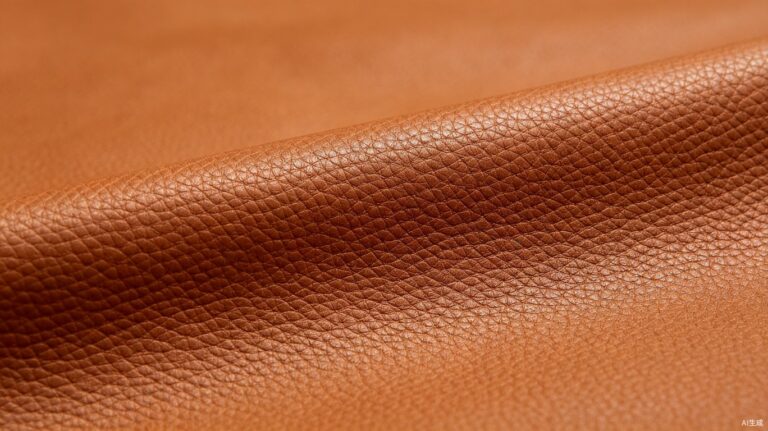
Durability comparison: coating thickness, flex behavior and surface wear.

How to Spec Vegan Leather Furniture Like an Engineer
Turn the failure map into five purchase order lines. First, coating thickness: 0.8 mm minimum for residential seating, 1.0 mm for lobby and bar use. Second, Martindale rating matched to occupancy: 30,000 for home, 50,000 for guest chairs, 100,000 for heavy contract. Third, peel strength of at least 5 N/cm, measured before shipment. Fourth, backing type matched to geometry: knit for contoured seats, woven for flat high-tension panels. Fifth, batch-level QC reports covering thickness, peel and abrasion for every production run. Each line converts a warranty exclusion into a documented, testable requirement.
Where the application demands a longer horizon, change the chemistry instead of arguing the warranty. Silicone leather contains no plasticizers, so the migration-cracking chain cannot start. For furniture and sofa programs, that difference shows up as stable flex life across humid and dry climates alike. Buyers comparing systems should demand the same file format from every supplier. Our hydrolysis-resistant silicone leather page publishes abrasion, hydrolysis and weathering data in exactly that format. The habit matters more than the brand: require the numbers, then compare them.
The One-Line Verdict
Here is the whole article in one sentence. Durability lives in the spec sheet; the warranty is only as strong as the numbers it references. A supplier who cannot state thickness, Martindale cycles and peel strength in writing is selling a promise. That promise is the thinnest layer on the chair. Write the five lines above into your next order.
Spec Durability With Our Engineers
Request a Warranty-Grade Sample Card
Frequently asked questions:
- How long does vegan leather furniture last? Typical PU upholstery survives two to five years of normal use, and premium formulations reach about a decade with regular care.
- Does a thicker coating really prevent cracking? A 0.7 to 1.2 mm wear layer distributes friction before micro-tears grow, and hotel guidance treats 0.8 mm as the floor for guest chairs.
- What Martindale rating should contract furniture have? Residential seating starts at 30,000 to 50,000 rubs, while heavy-duty commercial applications require 100,000 or more.
References
- https://www.cignoleather.com/blogarticle-1/how-… — Martindale thresholds of 30,000-50,000 for residential and 100,000+ for commercial use; 0.7-1.2 mm thickness with knit, woven or non-woven backings; plasticizer migration flagged as a primary cracking cause.
- https://szoneierleather.com/custom-leather-fabr… — Faux leather endures 2-5 years under normal use, with premium PU variants reaching about a decade; PVC-to-PU evolution since the 1950s and 1980s.
- https://neveitaliafurniture.com/pu-leather-sofa… — Hotel case of 120 chairs peeling within three months; 100% PU rated 50,000+ Martindale and above 5 N/cm peel at 0.8-1.0 mm; guest chairs fail near 12,000 cycles when the top layer runs thin.