As a material specifier, I used to evaluate synthetic leather by touch and appearance alone. Then I toured a coating line and watched liquid silicone transform from a 12,000 mPa·s viscous fluid into a flexible, waterproof surface in under 120 seconds. Understanding silicone leather coating technology changed how I specify materials—because the manufacturing process determines every property that matters downstream.
Silicone Leather Coating Technology: The Solvent-Free Revolution
The fundamental shift in silicone leather coating technology is the elimination of solvents. Traditional PU coating uses dimethylformamide (DMF) to dissolve polyurethane into a coatable liquid. PVC relies on phthalate plasticizers and chlorine-based processing. Both leave residual chemicals in the finished material—chemicals that off-gas, migrate, and eventually cause the coating to degrade.
Silicone coating takes a different path. Liquid silicone rubber (LSR) is compounded with a platinum catalyst and pigments under vacuum at -0.095 MPa, creating a coatable fluid at 8,000–15,000 mPa·s viscosity—without any solvent. The silicone cures through platinum-catalyzed addition reaction, where silicon-hydrogen bonds crosslink with vinyl groups to form a stable three-dimensional network. No evaporation, no residual chemicals, no migration pathway. For a broader introduction to silicone leather, this chemistry is what differentiates it from every other synthetic leather on the market.

Knife-over-roll coating head applying liquid silicone to release paper — the first step in the solvent-free process
3 Process Zones That Define Material Performance
The coating line has three distinct thermal zones, each controlling a specific property of the finished material:
- Zone 1 (80–120°C) — Pre-curing: The silicone begins crosslinking at lower temperatures to prevent surface blistering. This zone controls surface smoothness and texture reproduction fidelity from the release paper.
- Zone 2 (130–160°C) — Primary cure: The platinum catalyst drives rapid crosslinking. This zone determines tensile strength, elongation at break, and chemical stability of the finished surface.
- Zone 3 (170–200°C) — Post-cure and embossing: Final crosslink density is locked in. Release paper texture transfers permanently to the silicone surface. This zone controls color fastness and long-term surface durability.
Each zone runs 60–120 seconds, meaning the entire curing process completes in 3–5 minutes. Compare that to PU coating lines, where solvent evaporation alone can take 10–15 minutes and requires ventilation systems to handle DMF fumes. Our factory production process runs three configurations—double coating, roll coating, and triple coating—depending on the performance tier required.

Complete production flow chart from silicone compounding through finished leather — every stage is solvent-free
| Process Stage | PU Coating | Silicone Coating | Performance Impact |
|---|---|---|---|
| Compounding | DMF solvent dissolution | Platinum-catalyzed LSR | VOC baseline set here |
| Coating Application | Solvent-based wet coating | Solvent-free knife-over-roll | Environmental compliance |
| Curing | 10–15 min evaporation | 3–5 min addition cure | Production efficiency |
| Finished Surface | Residual plasticizers | Chemically inert, zero residue | Long-term stability |
Silicone Leather Coating Technology: The Chemistry Difference
The molecular difference between silicone and PU coatings explains why performance diverges so dramatically over time. PU coatings rely on physical evaporation—solvents leave, plasticizers remain, and the coating slowly hardens and eventually cracks as those plasticizers evaporate too. It’s a process of continuous degradation from day one. When comparing silicone vs PU at the material level, this degradation pathway is the core differentiator.
Silicone’s platinum-catalyzed addition cure is a one-time chemical reaction. Once the silicon-hydrogen bonds crosslink with vinyl groups, the three-dimensional network is permanent. There’s nothing to evaporate, nothing to migrate, nothing to degrade. That’s why silicone leather maintains flexibility for 10+ years while PU starts cracking within 3–5 years on the same base fabric. The EPA Safer Choice program recognizes this distinction—silicone coatings meet criteria for safer chemical ingredients because they contain no solvents, no plasticizers, and no halogens at any production stage.

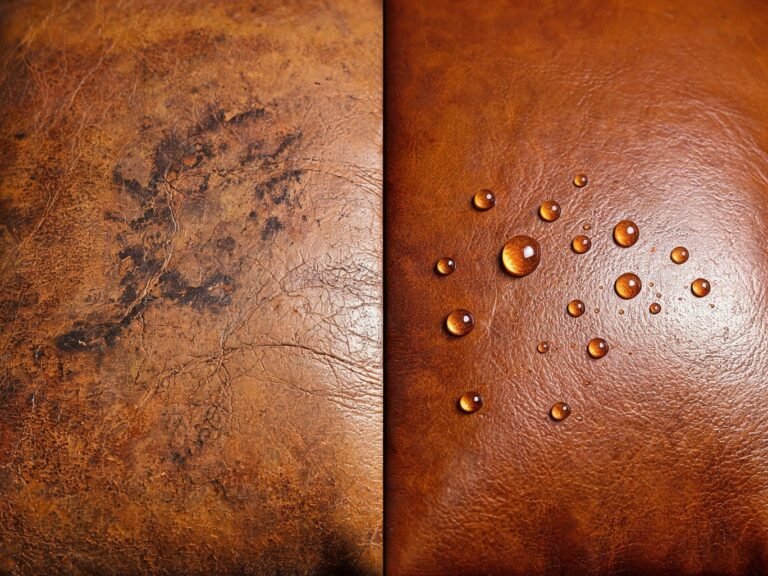
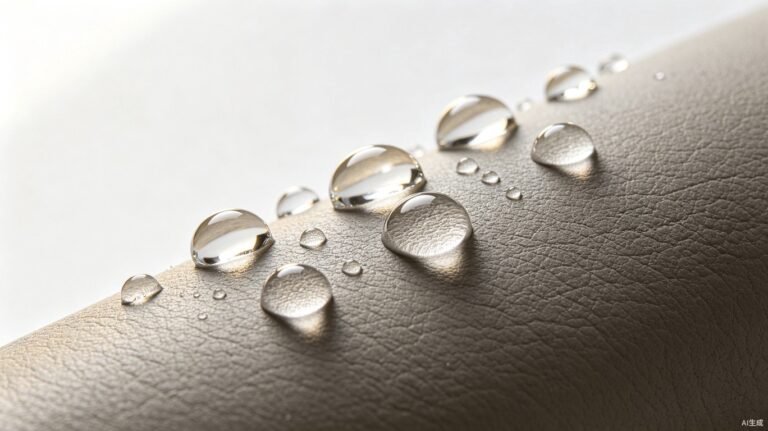
Coating texture closeup — the silicone surface reproduces release paper grain at near-perfect fidelity
Key insight: PU coating degrades because its flexibility depends on additives that evaporate. Silicone coating stays flexible because flexibility is intrinsic to the Si-O polymer backbone. Same base fabric, fundamentally different coating chemistry, radically different service life.
From Process to Performance: What B2B Buyers Should Verify
Understanding the manufacturing process is useful only if it translates to better procurement decisions. Here’s what to verify when a supplier claims solvent-free silicone coating:
- Request the platinum catalyst certificate — addition-cure silicone requires precise catalyst ratios. Off-ratio systems produce unstable coatings with incomplete crosslinking.
- Check curing temperature logs — if the line didn’t reach 150°C minimum, crosslink density is incomplete and long-term stability compromised.
- Ask for VOC emission test data (ISO 16000-6 or VDA 277) — zero-VOC claims need lab verification, not supplier self-declaration.
- Verify the release paper pattern matches your specified texture — the coating reproduces release paper grain at near-perfect fidelity, so pattern selection is final.
- Confirm the base fabric specification — even the best coating technology can’t compensate for an under-specified substrate.
For a detailed silicone leather manufacturing process breakdown, the process parameters matter as much as the raw materials.

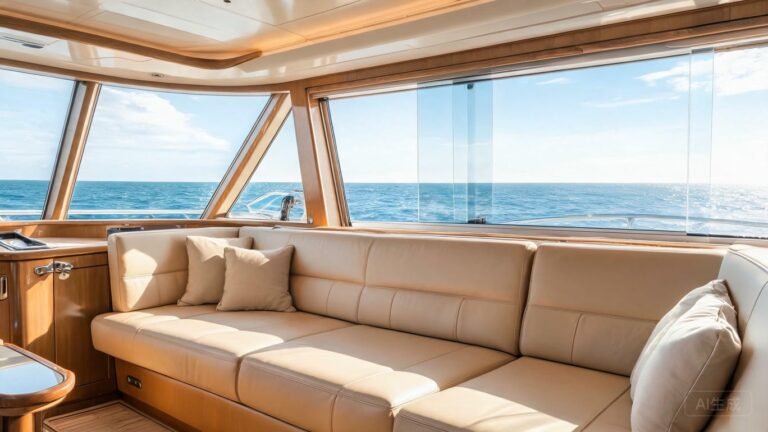
Finished silicone leather — the end result of a solvent-free coating process that outperforms PU by design
Our silicone coated fabric analysis provides additional technical depth on how coating parameters translate to application-specific performance.
Watch the release process — how cured silicone separates from release paper to reveal the finished leather surface
Frequently Asked Questions
What makes silicone leather coating technology different from PU coating?
PU coating uses solvent-based polyurethane that cures by evaporation—leaving residual plasticizers that eventually migrate and cause cracking. Silicone coating uses a platinum-catalyzed addition cure where crosslinking is a permanent chemical reaction. No solvents, no plasticizers, no migration pathway, and no ongoing degradation.
Is silicone leather coating technology suitable for food-contact applications?
Yes. The solvent-free process and platinum-catalyzed curing produce a chemically inert surface that meets FDA 21 CFR 177.2600 for repeated food contact. Because no solvents or plasticizers are used, there’s nothing to migrate into food—even under heat or fat contact conditions.
The Coating Is the Product
Silicone leather coating technology isn’t just a cleaner manufacturing method—it’s a fundamentally different chemistry that produces a fundamentally different material. PU coating degrades because its flexibility depends on additives that evaporate. Silicone coating stays flexible because flexibility is built into the polymer backbone. When you specify silicone leather, you’re not just choosing a material—you’re choosing a coating chemistry that won’t fail, crack, or off-gas. That’s what makes the process worth understanding, and the material worth specifying.
About TOPSUN
TOPSUN operates a solvent-free silicone leather coating line producing 16,000m daily across three production configurations for automotive, furniture, and medical applications.
Our platinum-catalyzed addition cure system delivers 200,000+ Martindale cycles, zero VOC emissions, and Delta E ≤ 1.0 color accuracy — with custom embossing in 7–10 days.