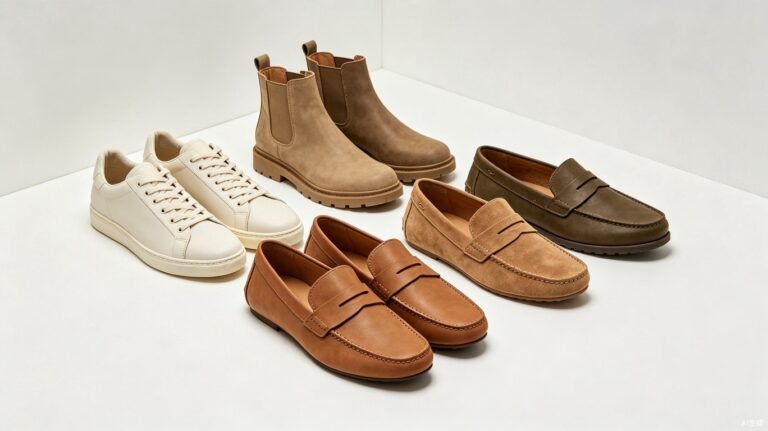
A footwear developer once showed us two swatches from the same supplier. One was standard PU, one was microfiber vegan leather. Both looked identical under showroom light. Then she bent each strip 20,000 times on the flex tester. The PU developed a hairline crack at the fold. The microfiber strip came through with its surface and coating intact. That test, more than any catalog page, is why microfiber keeps winning shoe and bag programs.
Here is what the material actually is, the numbers that separate it from PU, and where each one still belongs.
What Microfiber Vegan Leather Actually Is
Microfiber vegan leather starts with a sea-island non-woven fabric made of nylon microfilaments. Resin fills the structure and creates a three-dimensional network that mimics the collagen bundle in genuine hide. This is the key difference from PU leather. PU is just a coating layer over a woven or knitted base fabric. The microfiber base carries load itself, so the surface coating no longer has to do the structural work alone.

The dense fiber network under the grain is what carries flex and abrasion load.
The Numbers: Microfiber vs PU vs Genuine
Independent test data makes the comparison concrete. For bag applications, high-grade microfiber reaches 300 to 450 N/cm tensile strength under ISO 1419. Premium full-grain leather sits at 250 to 400 N/cm. Conventional PU trails well behind both. On abrasion, standard PU leather typically shows wear after 10,000 to 30,000 Martindale double rubs. High-spec microfiber exceeds 100,000 to 200,000 cycles. Footwear substrates rated above 100,000 rubs under EN ISO 12947-2 carry a clear expectation. They should survive more than five years of continuous friction.

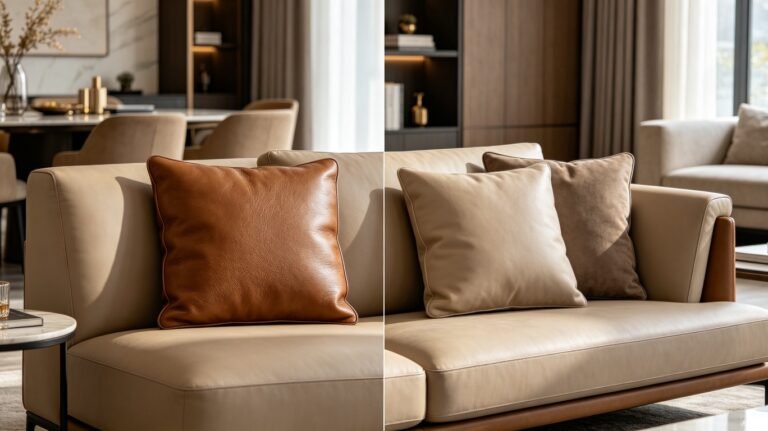
The same fiber-network logic carries over to seating, bags, and shoe uppers.
Where Each Material Still Belongs
Microfiber earns its premium on flex-heavy, load-bearing parts. Think shoe uppers, bag handles, seating panels, and anything a child or pet can reach. PU remains the sensible pick for soft decorative panels and promotional runs. It also fits cost-driven lines where the product retires before the coating does. Our silicone microfiber leather product page adds a silicone coating to this same fiber base, which raises hydrolysis resistance further. For sport and outdoor programs, see our fashion and sports applications overview.
Video: how a fiber-base premium material reduces total bag program cost.

Match the material to the flex count of the part, not to the price list.
One sentence decides it: if the part flexes, microfiber vegan leather pays for itself. If it only sits still, PU was never the wrong answer. Most buyers run this check during sample approval. Review your bill of materials with that rule, and the premium debate settles itself before the next sampling round.
References
- Diriana, Microfiber Leather vs Real Leather for Bags: https://diriana.com/microfiber-leather-vs-real-…
- Taite Leather, Why Microfiber Leather Is Replacing Traditional PU: https://taiteleather.com/why-microfiber-leather…
- Microsuede Leather, Decoding Martindale Abrasion Test Results for Footwear Microfiber: https://www.microsuedeleather.com/info/martinda…