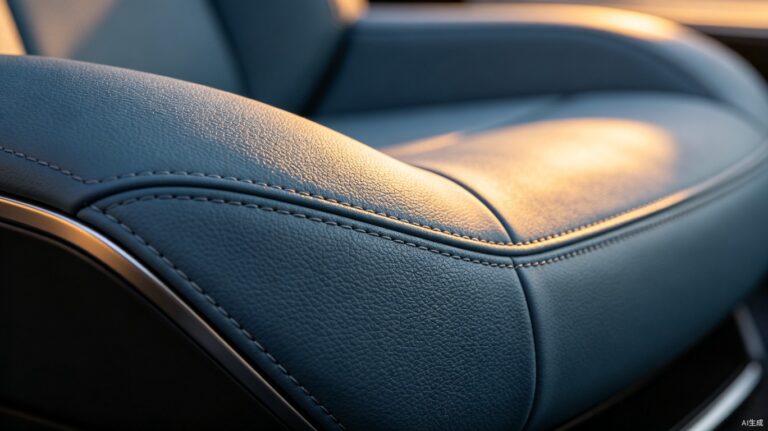
A furniture manufacturer we worked with sourced full-grain cowhide at $11 per square foot for a premium sofa line. Three years later, UV exposure through showroom windows had faded the leather unevenly, and customers were returning units for reupholstery. The $11/sq ft leather hide price turned into a $31/sq ft total cost after warranty claims, replacement hides, and labor. The lesson: leather hide price on a quote sheet rarely reflects what you actually pay.
The 4 Components Behind Every Leather Hide Price
When a tannery quotes a leather hide price, the number compresses four distinct cost layers into a single figure. Understanding each layer lets you identify where you’re paying for genuine value versus where you’re paying for branding overhead or supply chain inefficiency.
- Raw hide cost — Driven by animal species and origin. Cowhide ranges $3 to $7 per square foot; calf and lamb command $8 to $15. China supplies roughly 40% of global hides, Brazil 25%, and Italy 15%, with seasonal demand swings of 5 to 15% around fashion cycles and Chinese New Year.
- Tanning method premium — Vegetable tanning uses natural tannins over weeks, costing $10 to $15 per square foot — a 20 to 40% premium over chrome tanning at $3 to $8. But chrome-tanned hides carry residual chromium VI risk under Leather Working Group audit standards, which many EU and California buyers now reject.
- Grade selection — A-grade full-grain hides with minimal blemishes command top dollar. Split leather, the lower layer cut from beneath the grain, costs 60 to 70% less but lacks durability for performance applications. The grade-to-price ratio isn’t linear: moving from B-grade to A-grade can add 50% to the quote for a marginal quality gain.
- Finishing and logistics — Thickness, color matching, embossing, and climate-controlled transport all add cost. Thicker hides (2.5mm vs 1.5mm) add approximately 20%. Custom Pantone matching requires separate dye lots. And inadequate climate control during shipping can destroy an entire batch through moisture damage — a hidden cost that doesn’t appear on any quote sheet.

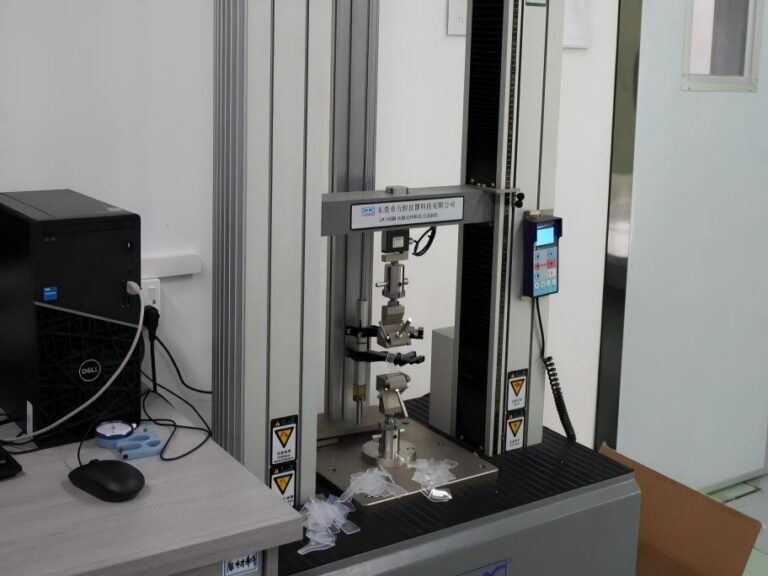
Physical testing lab — grade verification ensures the leather hide price reflects actual performance, not just cosmetic appearance.
Why Genuine Leather Hide Price Varies 600% by Grade
A $3/sq ft split hide and a $15/sq ft full-grain vegetable-tanned hide represent the extreme ends of genuine leather hide price. The 600% spread exists because each grade serves fundamentally different applications. Split leather works for disposable fashion accessories where lifespan matters less than cost. Full-grain serves luxury goods where patina and natural character justify the premium.
Here’s the problem for B2B procurement: neither end of the price spectrum reliably serves performance applications. The $3 split hide lacks the abrasion resistance for furniture or automotive use, failing at 30,000 to 50,000 Martindale cycles. The $15 full-grain hide still requires applied coatings for UV and hydrolysis resistance — coatings that crack within 2 to 3 years in real-world conditions. You’re paying a premium for natural material that still needs synthetic protection to perform.

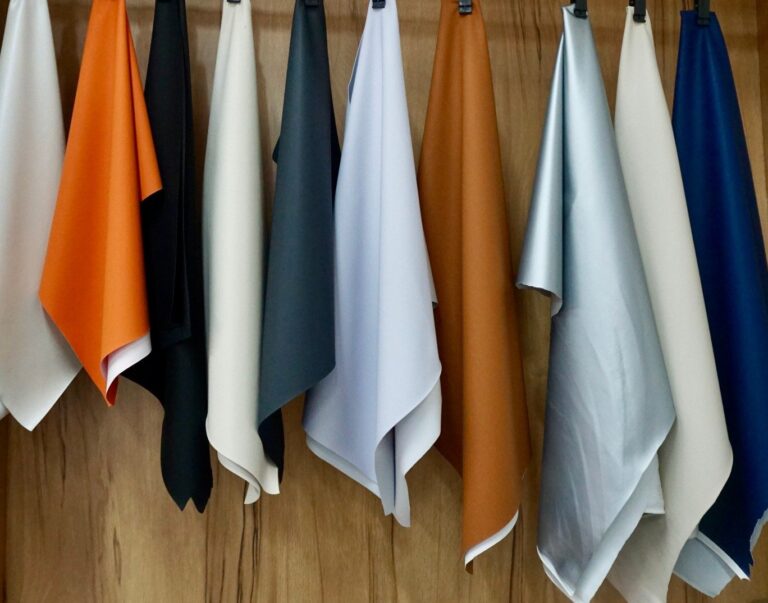
Leather rolls across grades and colors — the visible price difference hides invisible cost layers that only surface after installation.
| Cost Factor | Split Leather ($3) | Full-Grain ($15) | Silicone Leather ($3–$6) |
|---|---|---|---|
| Martindale cycles | 30K–50K | 50K–80K | 200K+ |
| UV stability | Poor (coating cracks) | Variable (coating-dependent) | 1,000+ hrs (ISO 105-B06) |
| Compliance risk | Chromium VI, formaldehyde | Tanning chemistry varies | Zero VOC, DMF-free |
| 5-year TCO | $9–$12/sq ft (2+ replacements) | $20–$25/sq ft (maintenance + coating repair) | $3–$6/sq ft (no replacement) |
Leather Hide Price vs Synthetic: The 5-Year Math
The procurement trap is comparing unit prices instead of lifetime costs. A $5/sq ft chrome-tanned hide looks cheaper than $4/sq ft silicone leather — until you calculate replacement frequency, warranty labor, and compliance remediation across a five-year horizon. Our cost comparison analysis shows that genuine leather typically costs 3 to 4 times its initial unit price over five years when deployed in performance applications.
In our experience auditing furniture supply chains for a hospitality client, the chain was paying $7/sq ft for chrome-tanned leather that needed reupholstery every 18 months in high-traffic lounge areas. Switching to silicone leather at $4.50/sq ft eliminated replacement cycles entirely — the material maintained its appearance past 200,000 Martindale cycles and 1,000+ UV hours per ISO 105-B06. The five-year TCO dropped from $21/sq ft to $4.50/sq ft, a 79% reduction.

Supplier evaluation — understanding total cost of ownership transforms how procurement teams evaluate leather hide price quotes.
3 Negotiation Levers Most Buyers Miss on Leather Hide Price
Most B2B buyers negotiate leather hide price by pushing on volume or payment terms. Three levers deliver bigger savings with less friction.
- Demand grade-to-application matching. Suppliers often default to A-grade for all applications to simplify their inventory. If your sofa backsides don’t need full-grain, specifying B-grade or split for non-contact surfaces can cut 30 to 40% from the total hide cost without affecting customer-visible quality.
- Require LWG certification documentation upfront. The Leather Working Group audit isn’t just a sustainability checkbox — it signals tannery process control that correlates with batch consistency. Tanneries without LWG certification produce more reject-grade hides, and those costs get passed to you through inflated A-grade pricing.
- Lock in thickness tolerance, not just thickness spec. Quotes specify “1.5mm” but ship at 1.2mm to 1.8mm. That variance means some hides are under-specified for your application (rejects) and others are over-specified (you paid for material you didn’t need). Demanding ±0.1mm tolerance forces the supplier to invest in better splitting — and you stop subsidizing their process variation.
Before signing: Request the tannery’s LWG rating, chromium VI test results, and a thickness tolerance guarantee. If any of these three documents are unavailable, the leather hide price is masking compliance risk — not offering savings. Order physical samples and test them against your application’s actual wear conditions before committing to volume.
Leather Hide Price Decision Framework
If your application requires patina development and natural aging for luxury goods → full-grain vegetable-tanned leather at $10 to $15/sq ft may be justified, despite the premium and maintenance overhead. If your application demands UV stability, abrasion resistance, or chemical cleaning compatibility for 5+ years → genuine leather hide price becomes a sunk cost with negative ROI, and engineered alternatives like silicone leather deliver measurable savings.
The most expensive leather hide price isn’t the highest number on a quote sheet — it’s the one that doesn’t survive your application’s real-world conditions. Run the five-year math before you sign, and the right material choice usually becomes obvious.
About TOPSUN
TOPSUN engineers silicone leather that eliminates the hidden cost layers behind genuine leather hide price for automotive, furniture, marine, and medical applications.
200K+ Martindale cycles · ISO 105-B06 UV 1,000+ hrs · Zero VOC / DMF-free · Delta E ≤1.0 batch consistency · 500,000+ m/month capacity · SGS/Intertek certified · Free A4 swatches worldwide